Maritime Briefing, 1 September 2026: Ferry Loss, Shadow Fleet, Record Congestion
Sixteen stories moving ships, cargo and crews today, each with the numbers behind it

Sixteen stories are moving ships, cargo and crews this morning. Three of them are about who is allowed to stop a tanker at sea, two about what happens when nobody does, and one about the largest queue of container ships ever counted.
CASUALTIES AND SAFETY
A ferry lost four nautical miles from shore. The high-speed catamaran Filo Jet capsized off northern Cyprus on Sunday with 267 people on board, minutes into a routine two-hour crossing. 237 people were recovered alive and eight bodies were brought ashore. The captain, seven crew and a director of the operator are now before a court on charges of causing death through negligence, and survivors have described locked emergency exits. The full account is in the Filo Jet loss and the charges that followed.
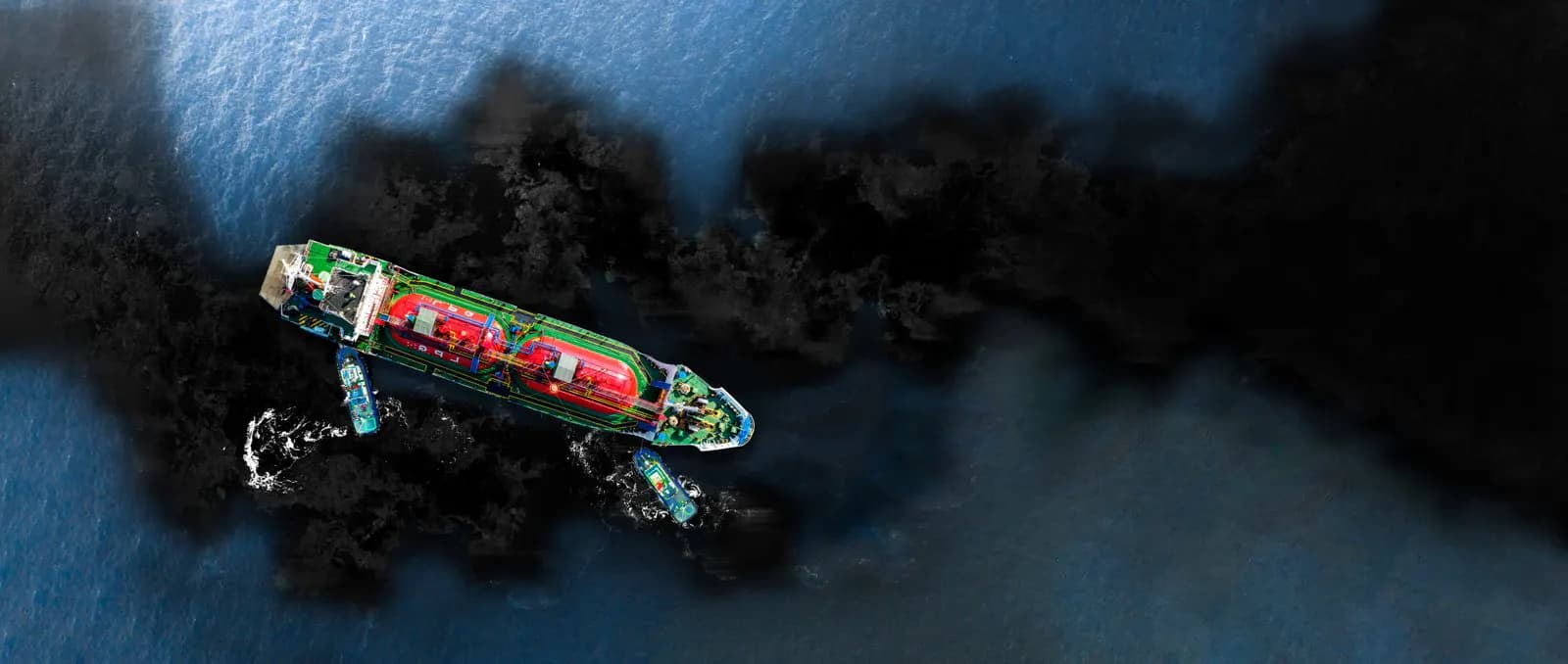
Ten weeks aground, still leaking. The sanctioned VLCC Caroline Bezengi remains intact on the rocks off Oman, with a visible oil plume spreading to the north-east. Imagery from 27 August shows no hull deformation, but four-metre seas have kept salvors away and conditions are forecast to worsen from 3 September. Our report on the Caroline Bezengi wreck and the salvage window sets out the timeline.
SANCTIONS AND THE SHADOW FLEET
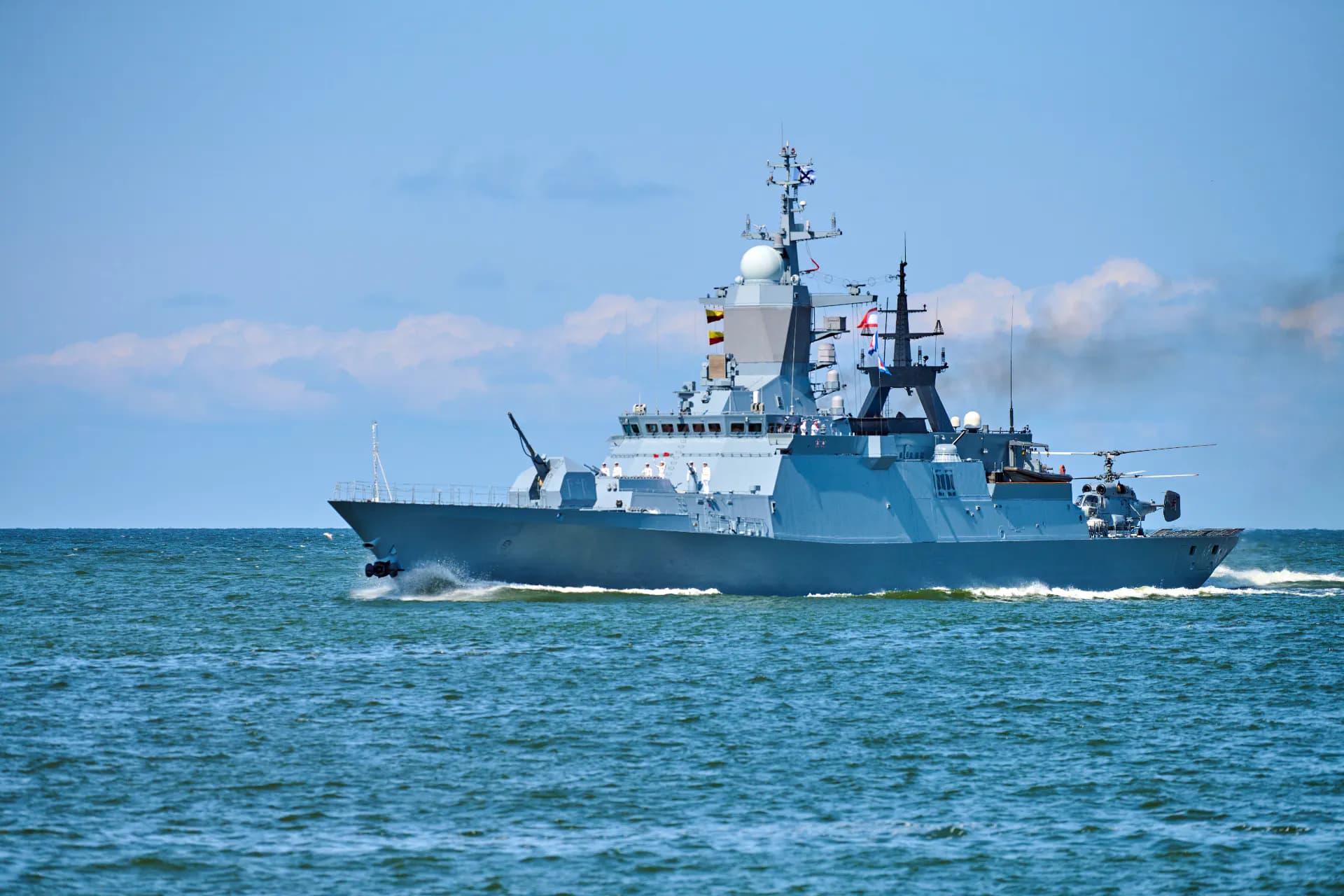
Two boardings in a week. In the Mediterranean, an EU team went on to the tanker MV Sun for a flag check on suspicion of false registration, the sixth such vessel entered by EU operations in recent months, covered in the MV Sun interception. In the Channel, four Royal Navy warships tracked a Russian destroyer and frigate escorting two sanctioned cargo ships towards Tartus, while transits off Ireland's west coast went from 132 to 382 year on year. That operation is set out in the Royal Navy's three days in the Channel.
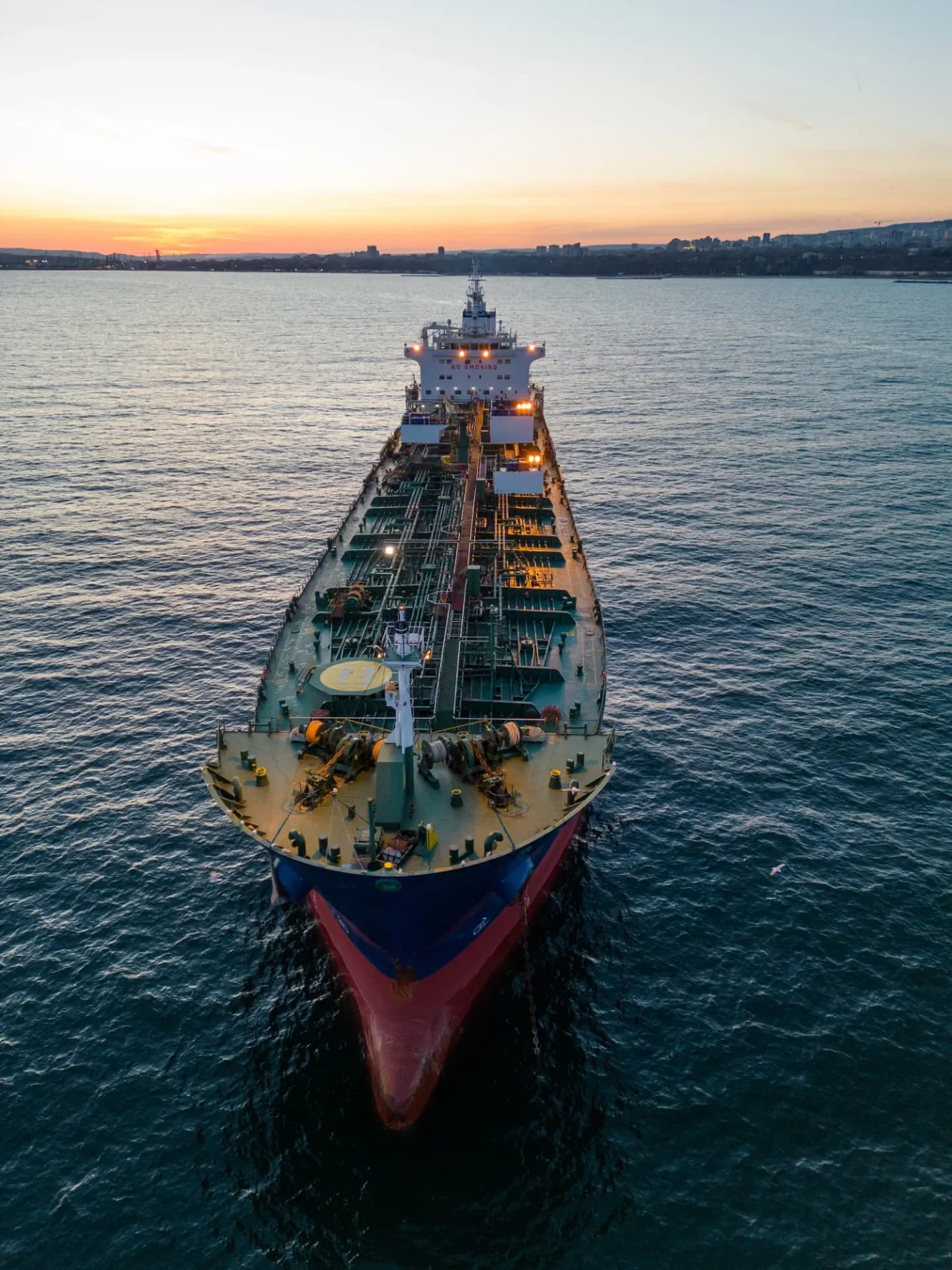
Crude moves anyway. Russian traders have resumed loading Urals onto VLCCs for Asia through ship-to-ship transfers, with a sanctioned VLCC leaving Suez waters on 21 August carrying some 200,000 tonnes for Singapore. The freight arithmetic behind it is in Urals crude back on VLCCs. And in Odense, a Danish yard is taking its third Russian-linked LNG carrier of the summer before the EU ban lands in January, a loophole traced in the Fayard servicing story.
SECURITY
More than 90 seafarers in pirate hands. Six vessels have been held off Somalia and at least 15 attacks have been recorded this year against five in all of 2025. The Lutuf has since been retaken in a ten-day operation. The figures and the IMO's response are in the piracy briefing.
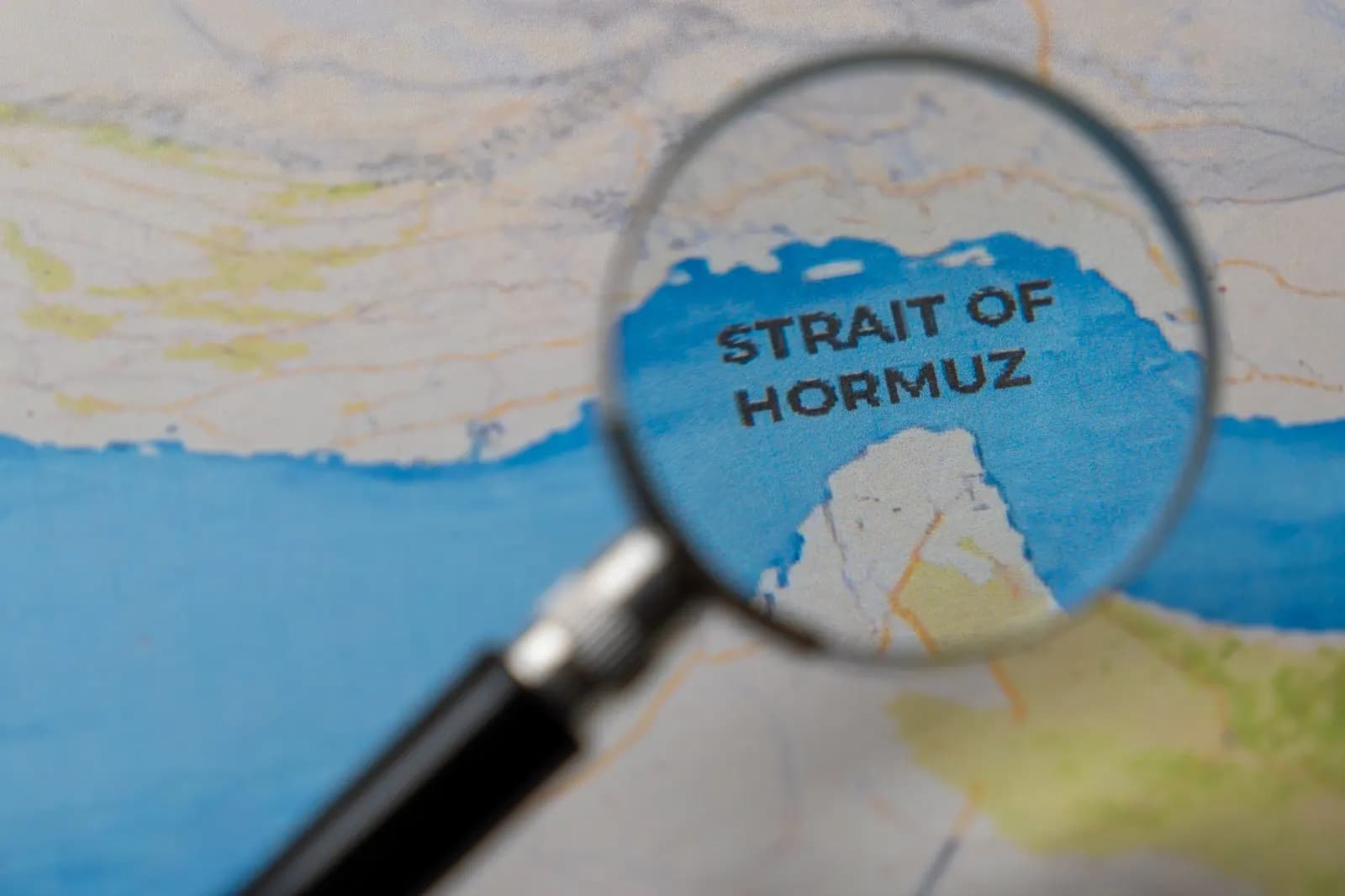
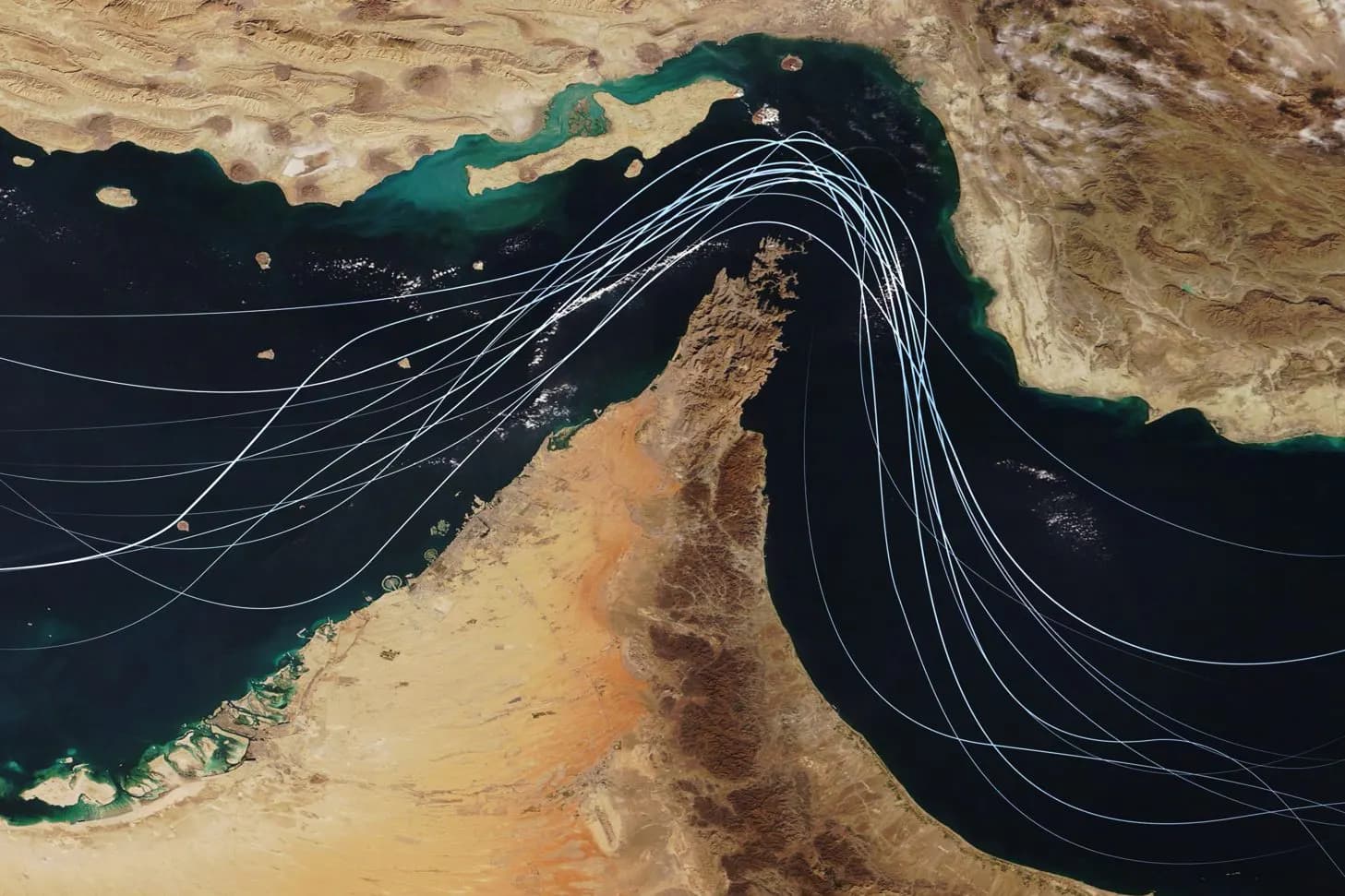
Four hundred ships that cannot leave. Six months into the conflict, up to 400 ships and around 6,000 seafarers still cannot depart the Persian Gulf safely, against a US position that the mines are cleared and the transit routes open. The two accounts are laid side by side in the Hormuz seafarer count.
A drone boat base removed. On the Yemeni Red Sea coast, a Tufan-1 unmanned attack craft was destroyed at a Houthi naval outpost sited for targets off Saudi Arabia. The type carries a claimed 150-kilogram warhead at 35 knots and was used against two bulk carriers in June 2024, one of which sank. Detail in the Tufan-1 strike.
PORTS AND CARGO
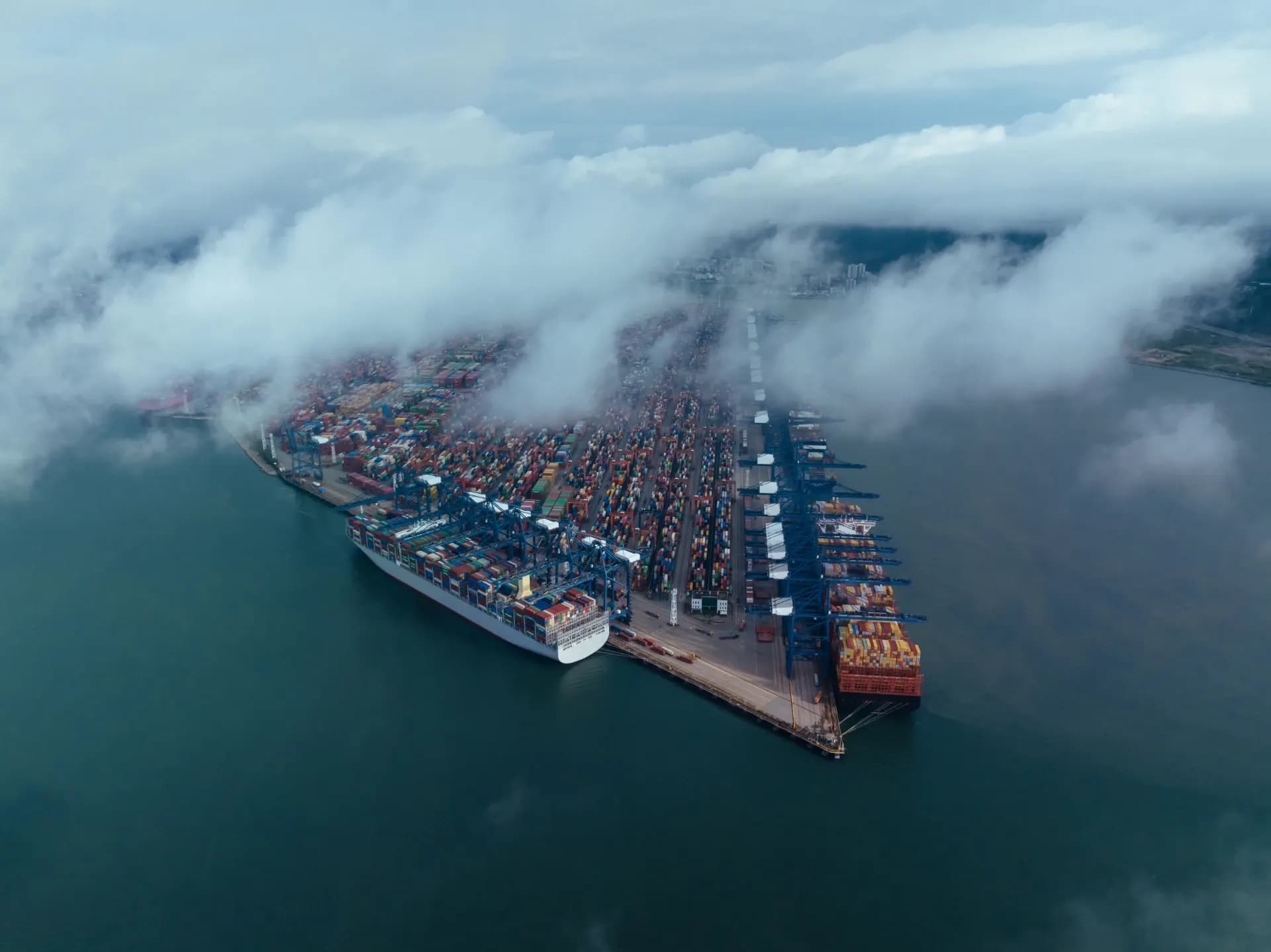
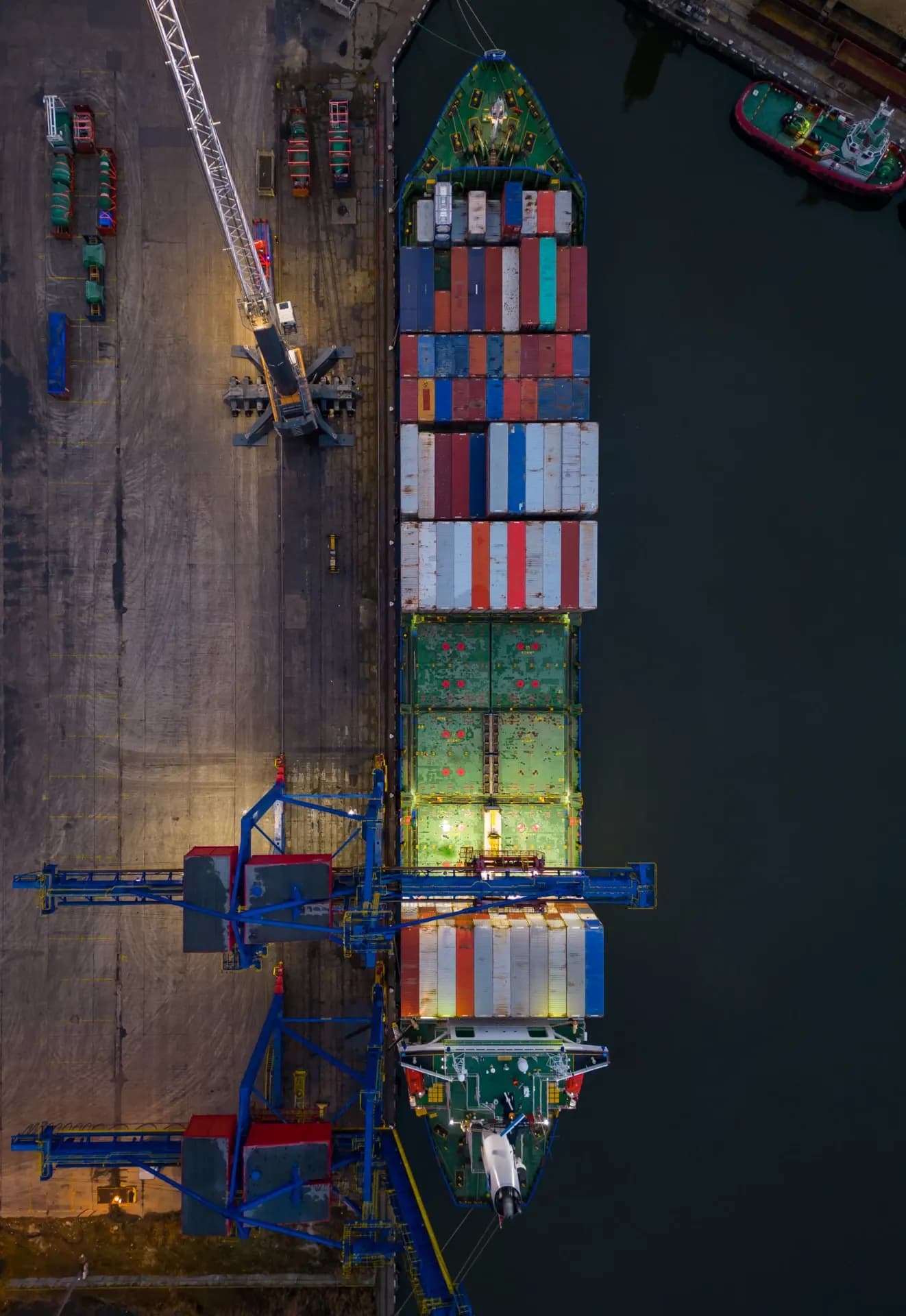
The largest queue on record. More than 4.3 million TEU is waiting to berth worldwide, past the Covid-era peak, with Shanghai Yangshan waits at seven to 11 days for non-Gemini services after a third typhoon in a month. The numbers, including what 1.7m TEU of absorbed capacity actually means, are in record port congestion.
Eight hours that take two weeks to clear. Dock workers in Rotterdam, Amsterdam and the Zeeland ports stop work from 11:15 to 19:00 on Friday 4 September, on top of inland container waiting times already near 60 hours from low water on the Rhine. See the port strike and its knock-on effects.
FLEET AND OWNERSHIP
A tanker fleet built in eight months. Sinokor has bought 73 VLCCs for close to $6 billion this year, as much as the next eight largest tanker buyers combined, and now runs 93 crude carriers within a fleet of 162 tankers. The market behind that spree is in the Sinokor buying run.
A crew paid out of a hammer price. The arrested bulk carrier BAM Arion fetched $9.4 million at judicial auction in Rotterdam, and the seventeen seafarers who applied for the sale recover about €200,000 in unpaid wages. Why they rank first on the proceeds is explained in the BAM Arion auction.
ROUTES AND BUILDING
Fifty nuclear hulls on paper. A seven-year agreement with the US Maritime Administration covers 50 nuclear-powered LNG carriers and container ships at $700 million a hull against $250 million for conventional tonnage, with first delivery targeted for 2033. The numbers are in the nuclear merchant fleet plan.
The Arctic as a Hormuz workaround. Moscow has opened commercial talks with India and Vietnam on the Northern Sea Route, which cuts about 40 percent off the distance from Indian ports to Europe. India plans a first pilot transit in 2027. The dependency that makes it work, and the sanctions question nobody has answered, are in the Northern Sea Route talks.
A training ship called up. The Empire State has been activated for roughly 170 days of federal service days after 400 new cadets moved aboard, the first call-up of any vessel in her class, covered in the Empire State activation.
Every vessel named above has a page in our fleet database, with particulars, ownership and history where the record allows. The briefing runs each publishing day.