For shipyards
Fill the dock. Before the broker calls.
Repair yards, conversion yards, and newbuild facilities run on knowing two things ahead of the competition: which vessels are coming up for dry dock, and who decides where they go. Vessel Hunter gives commercial yards the dry dock pipeline, the ownership tree behind every ship, and a direct line to the technical superintendent and procurement contact, without the spreadsheet, the LinkedIn cross reference, or the broker tax.
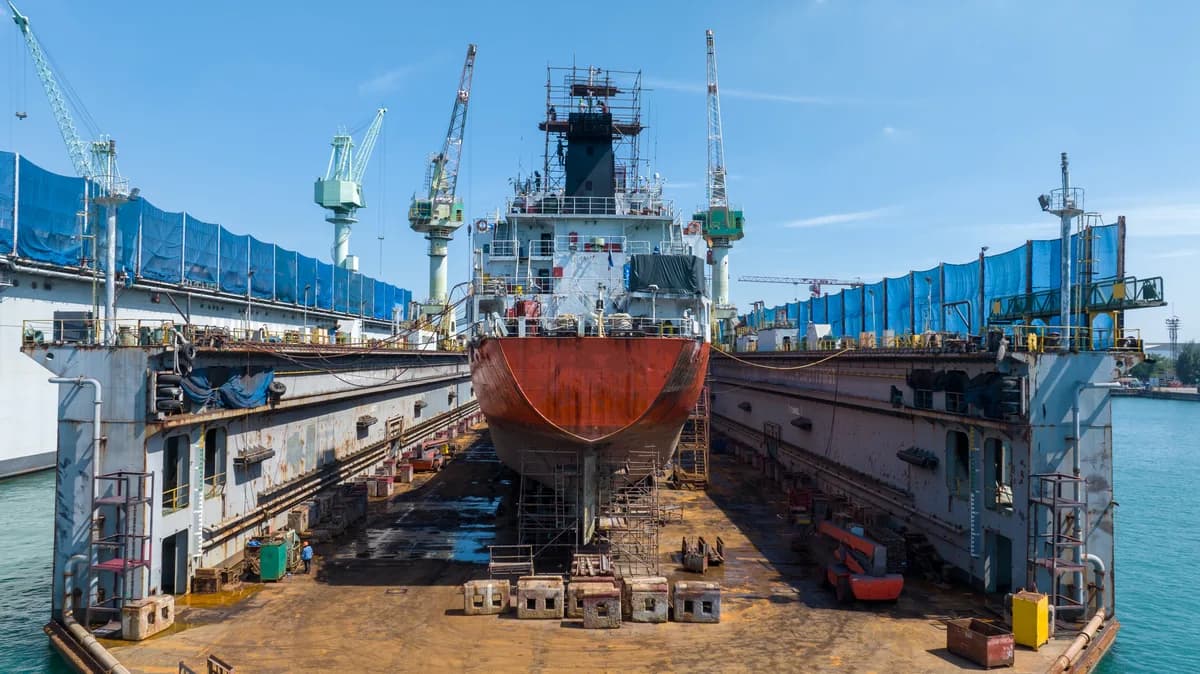
The shipyard pipeline problem
A 5,000 DWT product tanker that last entered dry dock in 2022 is due again. Class society survey records say within 18 months. The technical manager is in Athens, the commercial team is in Singapore, and the beneficial owner is a holding in Monaco. By the time your sales engineer has cross referenced the public registers, the class register, two broker chats, and three CRM tabs, the slot has been booked at a yard in Türkiye that called the technical manager last Tuesday.
That gap, between the data being knowable and being known, is what Vessel Hunter closes for shipyards. Every vessel record in the platform comes with its dry dock history, its class survey schedule, the engine make and model that drives the spare parts spec, and the verified contact for the people who actually decide where the ship goes.
What the workflow looks like
Start with a fleet list. Upload the operators you target, the tonnage classes you handle, the engines your yard is certified for, or build the fleet in Fleet from filters on flag, type, build year, and class society. Save the view. Share it with your commercial team.
Save the list as a hunt and switch on the triggers that matter to a yard: a certificate running down, a casualty, new PSC findings, a change of owner or manager, or a ship heading for your port. The alert lands by email, web push or Slack, with the full dossier one click away and the procurement contact already on the card.
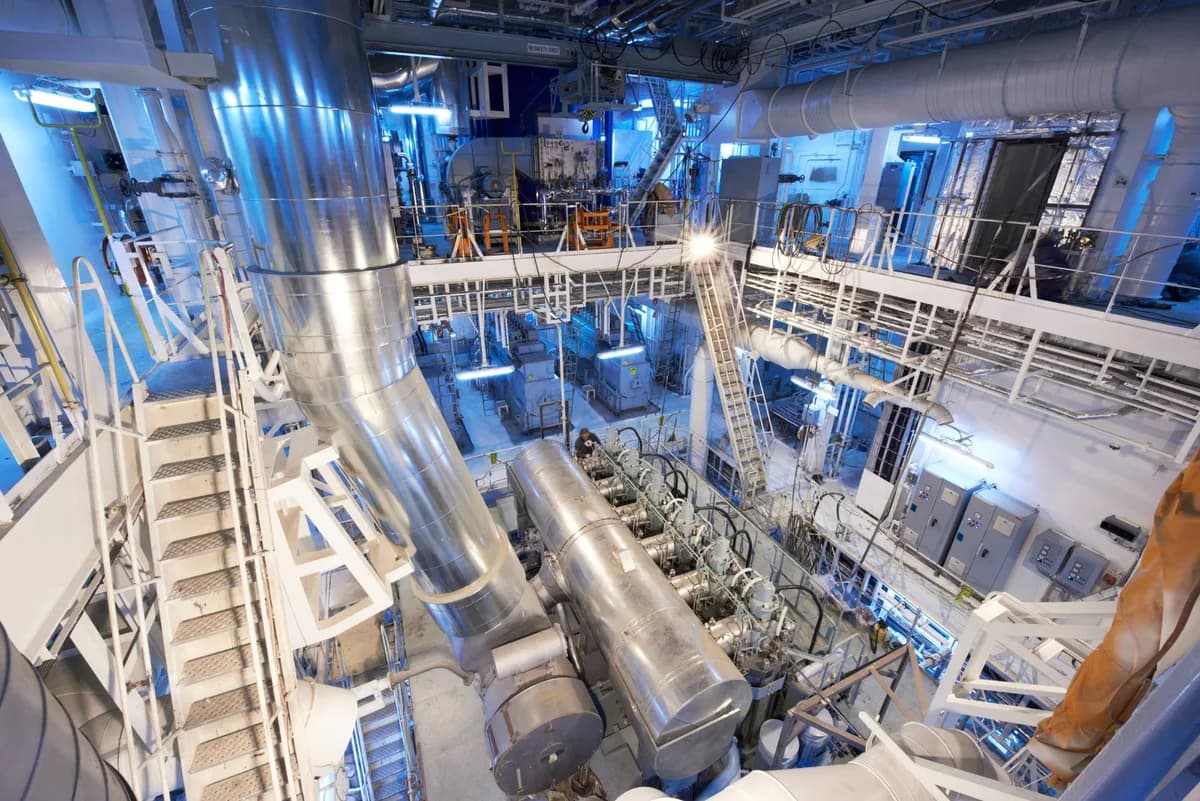
The engine spec drives the spare-parts set and the conversation.
The data that actually closes the deal
Engine make and model is the signal most yards undervalue. Vessel Hunter indexes every commercial decision against it because the spare parts supplier set, the planned maintenance schedule, and the technical superintendent on the hook all follow from the engine spec. A yard that knows the vessel runs a MAN B&W 6S60ME-C8.5 has a different conversation with the technical manager than a yard that just knows it’s an Aframax tanker.
Beneficial ownership and the ISM manager close the second gap. Beneficial owner sets the budget; ISM manager picks the yard. Vessel Hunter shows both, plus the technical and commercial entities behind each, plus the verified people on each side, labelled, verified on a rolling cycle, refreshed when a vessel changes manager.
What shipyard customers track
- Dry dock window watchlists on every vessel matching the yard’s tonnage and engine spec.
- Approaching port alerts at the yard’s home port plus competing yards globally.
- Class survey forecasts combining intermediate, special, and bottom surveys per IMO and class society.
- Casualty alerts that trigger emergency repair conversations: when grounding, collision, or machinery failure means a vessel needs a yard now.
- Owner movement: a vessel changing operator typically changes yard preference within 12 months.
How it pays for itself
Shipyards typically run Vessel Hunter against 2,000 to 8,000 candidate vessels and convert one or two extra dock bookings per quarter into their break even threshold. Our support helps the sales engineer prep the call, translating dossier signals (yard history, scope of last dry dock, casualty record) into the angle most likely to land the booking.
Live in under 24 hours. Month-to-month. No long-term lock-in. See pricing or read about suppliers, service providers, and port agents.