For port agents
See every vessel coming in. Know who appoints.
Port agents and husbandry services compete on two things: knowing which vessels are coming into the ports they cover, and getting in front of the operator contact who appoints the agency before a competing agent does. Vessel Hunter combines a live approaching ports inbox with the verified appointing contact for every vessel, so an agency in Rotterdam or Singapore sees its full pipeline at 6am and knows who to call by 6:05.
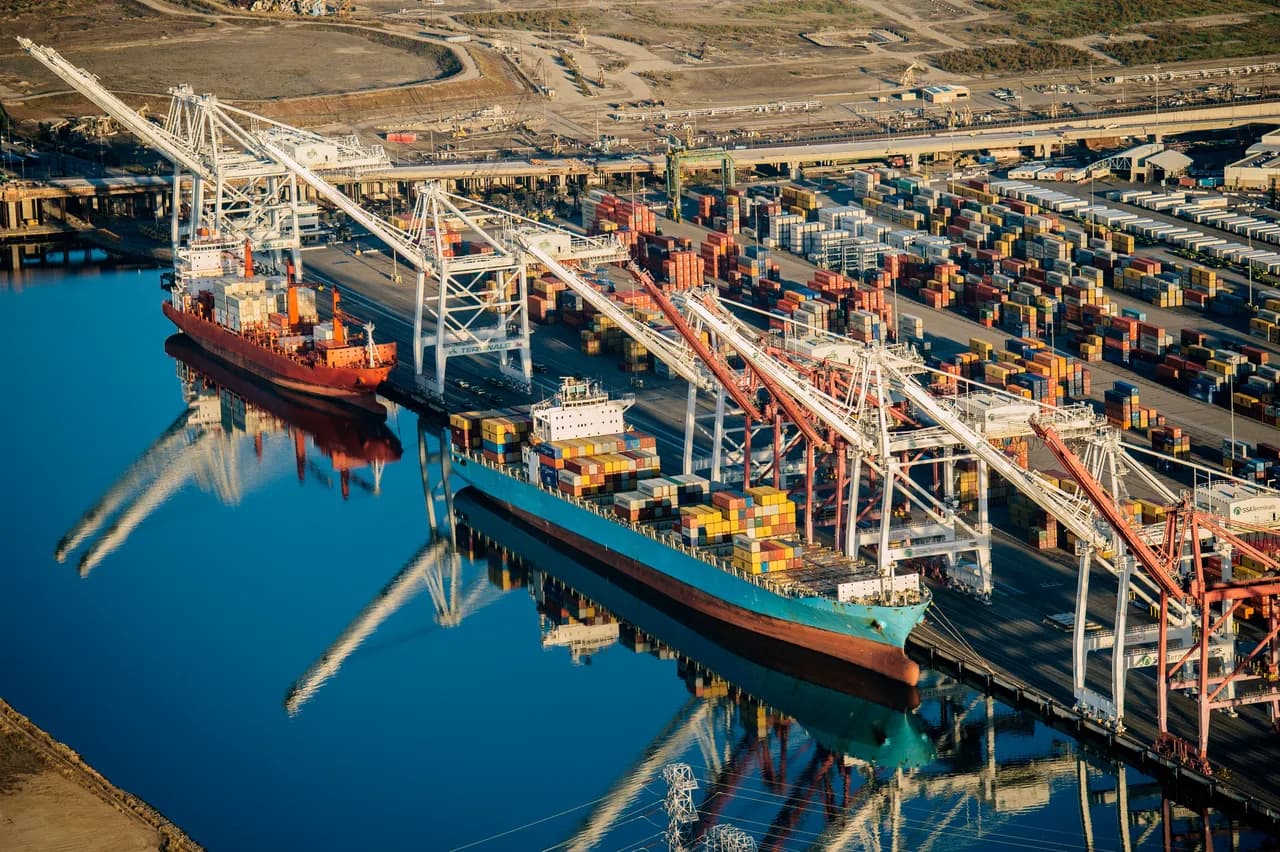
Where port agents lose calls
A general cargo vessel inbound from West Africa, ETA Antwerp in 38 hours, last appointed agent unknown, technical management based out of Hamburg, operator a tramp charterer in Greece. Three port agents in Antwerp see the AIS track. Two of them call the technical manager. The third calls the actual operator, the charterer who controls the appointment, and wins the call.
That distinction, between the technical manager (who runs the ship) and the commercial operator (who appoints the agent), is the difference between a quote and an appointment, and it is the kind of signal that gets buried five tabs deep in the public registers. Vessel Hunter surfaces it on the dossier card and lines up the verified contact for the role you actually need.
The approaching ports inbox
Define the ports and terminals you cover. The inbox lists every vessel inbound, sorted by ETA, filtered by your fleet rules: by type, flag, tonnage, or operator. Each row carries the AIS track, the dossier card, the appointing contact with verified mobile and email, and the historical port call pattern that tells you whether this vessel typically calls weekly, monthly, or rarely.
Tap any row to open the full dossier: ownership tree, port state inspection record, last casualty event, current class standing, and the verified contact for each role (commercial, technical, procurement, agency). If your duty agent needs a fact confirmed before quoting, support reaches the people who built the product rather than a ticket queue.
Beyond AIS for the inbound that goes dark
Some vessels, particularly in the dark-fleet and sanctions touched segments, go quiet on AIS as they approach territorial waters. Most AIS tools simply lose the vessel at that point. Vessel Hunter marks her quiet, estimates where she is along the sea route to the port she declared, and alerts the agency the moment she reports again, with the operator behind her one click away. Read about beyond AIS tracking.
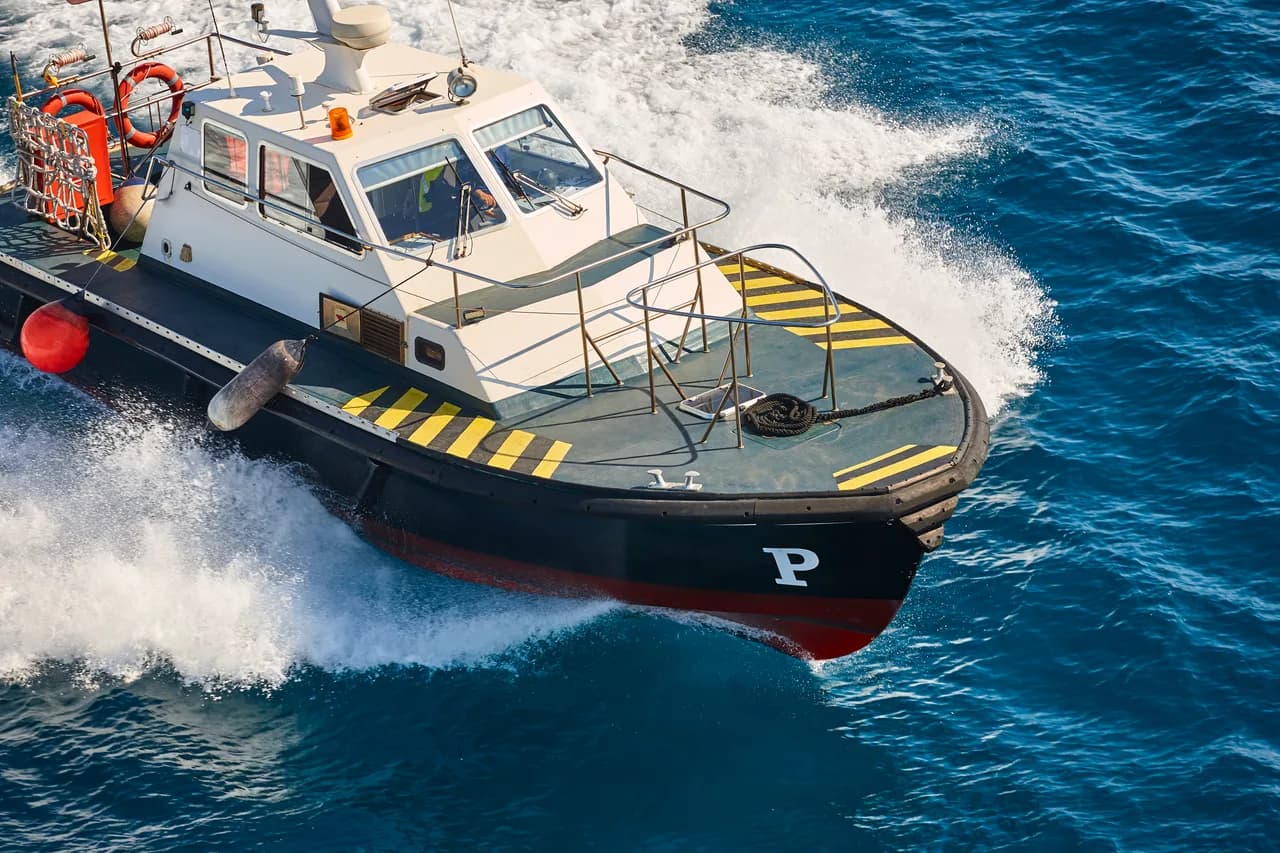
Every inbound vessel, paired with the operator who appoints the agency.
What port agents alert on
- Inbound ETA at the ports and terminals you cover, fired at the lead time you set.
- Zone enter: when a vessel enters the radius you draw around your port or its outer roads, you have a quoting window.
- Operator change: a fleet changing operator typically changes its port agent within 6 months.
- Casualty alerts: a vessel needing emergency repair, surveyor attendance, or off hire support inside your port catchment.
- Sanctions and dark-fleet flags: agency declines and compliance triage against the live official sanctions lists, with the list named on every designation.
Compliance, audit, and the regulator angle
Port agency work is increasingly compliance loaded. Vessel Hunter screens against the live official sanctions lists, checked every week for changes, and keeps a full audit log of every query and alert for SOC 2 evidence and regulator review. A custom DPA and SSO are available on request.
Pricing and onboarding
Live in under 24 hours. Most port agency offices run two to six seats at our standard per seat rate, and from five users the volume band takes ten percent off every seat at checkout. Larger teams and fleet pricing terms on request. See pricing.
Also read shipyards, suppliers, and service providers, or see every platform feature.