Features
Track 100,000+ commercial ships. Know who owns, manages, and moves them.
Vessel Hunter integrates real-time AIS with mapped ownership, compliance history, port activity, and operational intelligence. Not just positions: 2.3M vessel records, 100,000+ IMO-registered vessels, 29,000+ ports, 290,000+ inspections, and the contacts who actually decide.
Track every vessel
Live and historic AIS
A corpus of 2.3M vessel records, with live position, course and speed refreshed continuously for 300,000+ of them, through reliable coverage from coastal receivers and satellites. From mega-containerships to regional tankers.
Scrub back day by day through a clean position history, replay exactly where a ship has been, and match that against port filings, owner records and inspection history: the complete operational picture in one view.
Beyond AIS trackingBeta
When a transponder goes quiet, by accident or on purpose, you are not left in the dark with it. After a day of silence the vessel page shows the area she is most likely in now, along the sea route to the destination she declared, instead of a dot that stopped moving. The Route and AIS tab keeps a monthly track archive back to 2022 that shows which silences were ordinary coverage gaps and which do not add up. Filter the fleet on Recently went quiet, and get an alert the moment she broadcasts again.
Load conditionBeta
See whether a vessel is laden or in ballast, read from the draught she broadcasts herself, and filter your fleet on it. It works for tankers, bulkers and other ships whose cargo is weight limited. Container ships do not sit deeper when full, so for them we do not guess.
29,000+ ports tracked
Open any port and see live vessel activity: what is alongside, at anchor or inbound, with arrival history, dwell times, and the agents working each berth. Draw a radius around your yard and get alerts the moment a target ship arrives, departs or ties up.
Port servicesBeta
Water, repairs, fuel oil, provisions and dry dock for 3,204 ports, with a Services filter on the port list, so you can see which ports offer what a ship needs before she gets there.
Smart search
Press ⌘K and type what you are after: a ship, a company, a former name, an abbreviation, or a whole question like "tankers heading to Fujairah". Smart search works out what you mean and takes you straight there. Questions are in Beta.
Size classesBeta
Aframax, Suezmax, MR, LR2, Kamsarmax, Capesize: every ship carries its class in the trade's own terms, worked out from her type and deadweight. Filter Fleet and your hunts on it, or type “aframax” in ⌘K.
IMO changesBeta
Every ship that was renamed, reflagged or changed hands, as a list of fresh leads with the people behind them. Next to it, the IMO rules that touch your fleet, with how many of your ships were seen in each area. A hunt can tell you about all of it, including a ship entering an emission control area.
Know the whole story
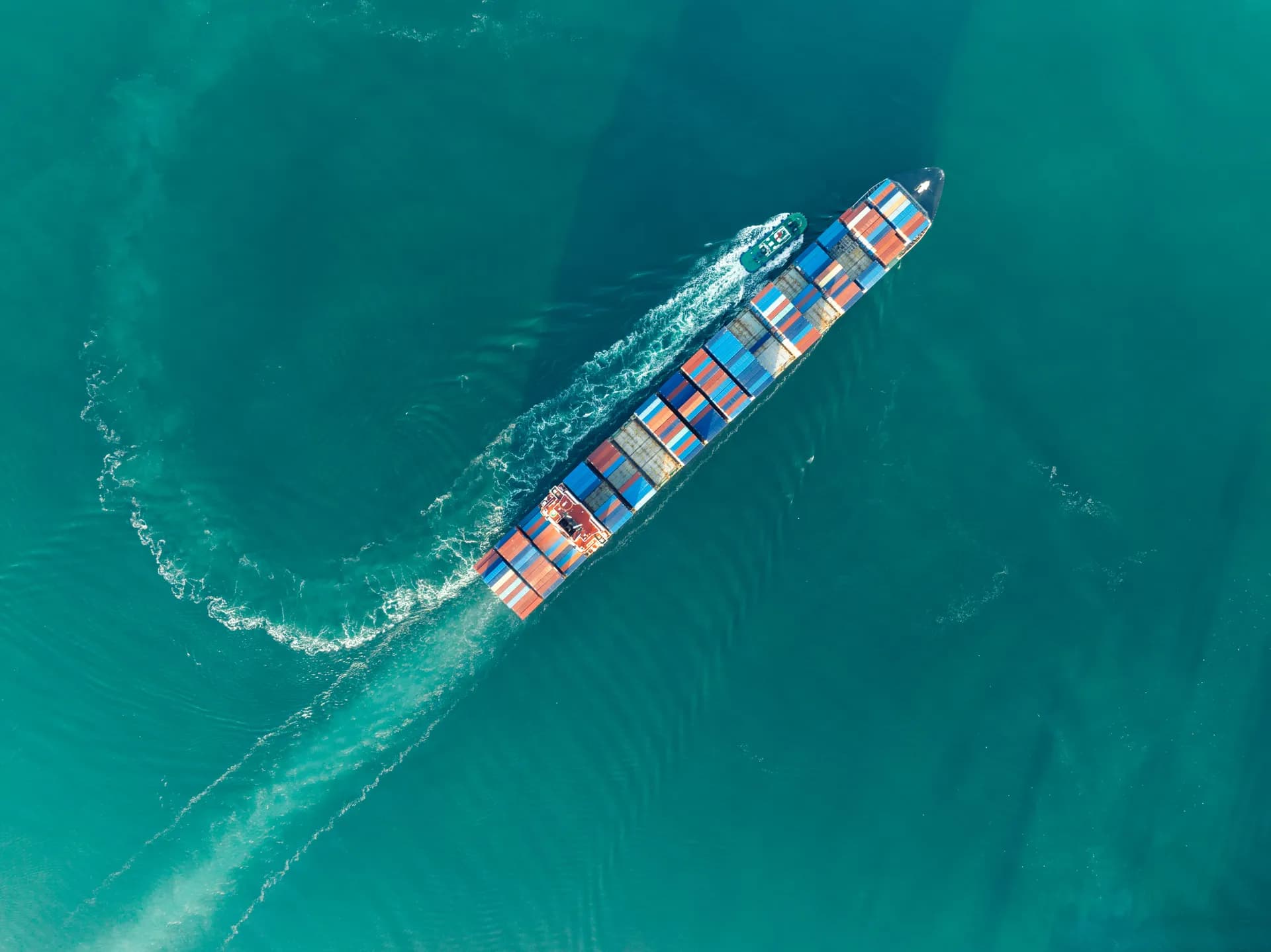
Every ship resolves to a single record, pulled together from dozens of sources and kept current as she changes hands.
The vessel dossier
One record per ship, with everything we hold on her. Click a vessel anywhere and the dossier opens: specs, engine, ownership, inspections, dry dock, casualties and class.
Identity and dimensions, normalised across every source.
- IMO
- MMSI
- Call sign
- Flag
- Type
- Build year
- Builder
- DWT
- GT
- LOA
- Beam
- Draught
- Class society
- Manager
- Operator
Mapped ownership (79,000+ vessels)
Ownership in shipping is hard to trace and often obscured. We map how the beneficial owner, registered owner, manager and operator connect, across 79,000+ vessels and 400,000+ ownership links, showing the fleet structure and the contacts inside each entity, from the individual ship up through the group.
One company, one page
Duplicate company records are merged, and old spellings redirect to the right page. A Network tab shows the decision makers, the company and its fleet at a glance. Group entities, in Beta, folds one ship companies into the family they belong to, with the operator and its people on top. Tick it off to see every entity one by one. Each company page opens with its fleet on a world map, and companies that share one website are shown together as a group, with every ship counted once.
Risk and compliance (290K+ inspections, 7,100+ detentions)
We flag ships that are on the live official sanctions lists, detained under Paris MoU, or banned. Beyond that: 290,000+ port state control inspections, 7,100+ detention records, 32,000+ casualties, and class society conditions mapped to each vessel. Check a fleet or company against the compliance record before you quote, charter or call.
Sanctions screeningBeta
A Sanctions page checked against the live official sanctions lists, with the source shown on every designation and a weekly check for changes. Screen your whole fleet in one go, browse the lists, see what changed this week, and paste or upload up to 500 names to screen them at once.
Port state control, explainedBeta
Every inspection reads in plain language: the deficiencies grouped by area, from fire safety to the ISM code, with a short reading of what the inspector found. Find the ships with three or more deficiencies in the last year, or any in one area, and let a hunt tell you the day new findings come in.
PSC risk score (40,000+ ships)Beta
How likely the next port state inspection ends in a detention or five or more deficiencies, rated low, normal, elevated or high. Tested on past inspections: one ship in seven rated high was detained within a year, against one in ninety rated low. Sort and filter Fleet on it, narrow a hunt to it, and see the repair outlook and the months to her special survey on the dry dock tab.
Market intelligence
Roll a fleet up into counts and tonnage by type, flag, build year, owner country and class, with the sales and ownership changes over time. Watch a segment or a competitor move month to month.
For sale and demolition
We pull together vessels for sale, auction lots and demolition listings from brokerage, judicial sale and recycling sources, each tied back to its owner and live profile. See which ships are on the market, then reach the owner first.
Reach the decision maker
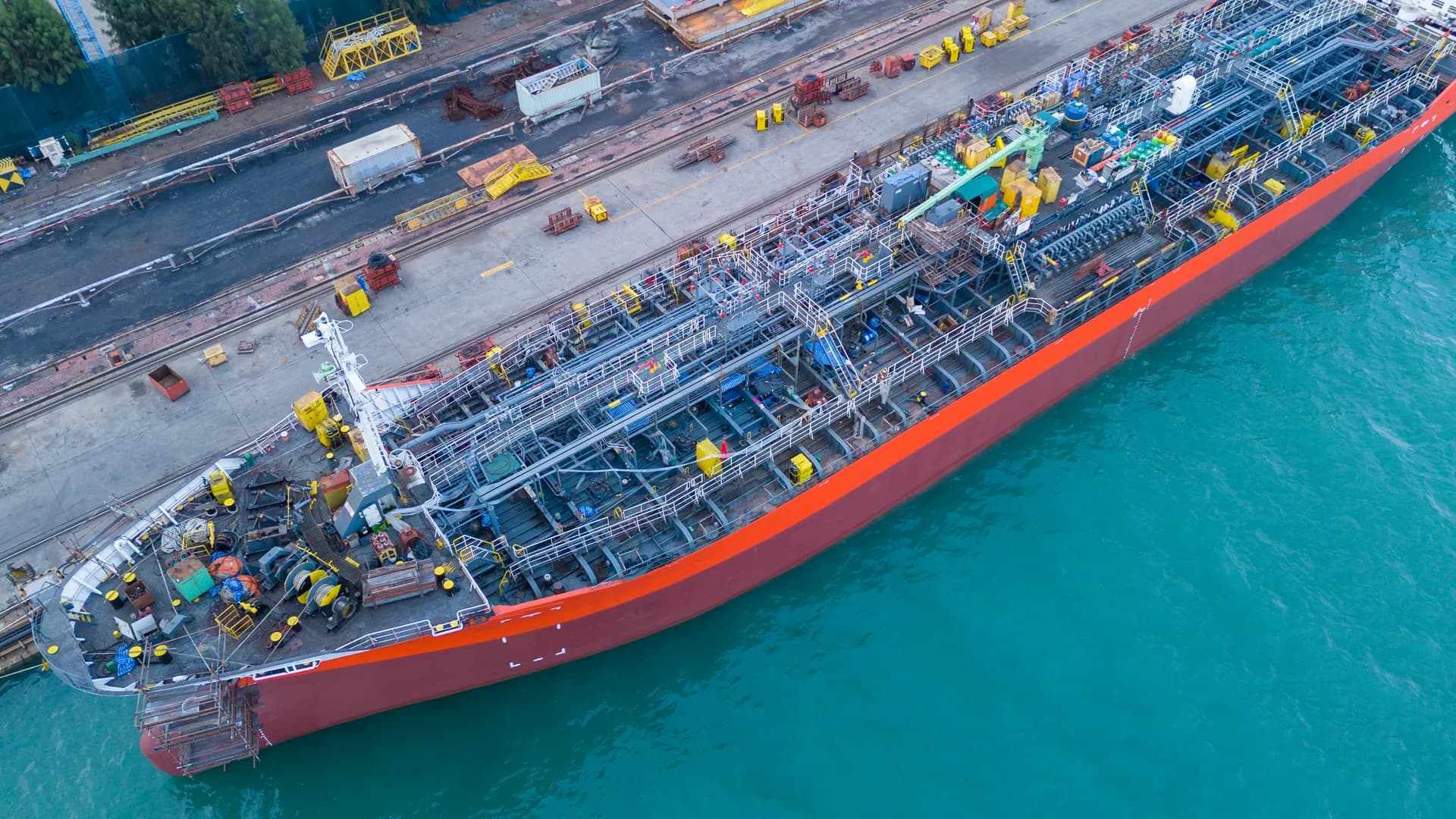
Vessel Hunter does not stop at the vessel. We bring you the people behind the companies that run them: verified emails and direct phone numbers for the decision makers, from board members to the technical superintendent, the procurement lead and the operations manager. It is a contact layer we expand and re-check every day, so when a ship changes hands the line you call is still the one that picks up.
Network › People opens on the people at the biggest fleets, and searches the whole contact database as soon as you type. Missing someone at a company? Add the contact yourself, or use Request people, from Maritime + Contacts up: our team finds them for you by hand, and the credits are only taken when we deliver.

Stay alert
Watchlists and alerts
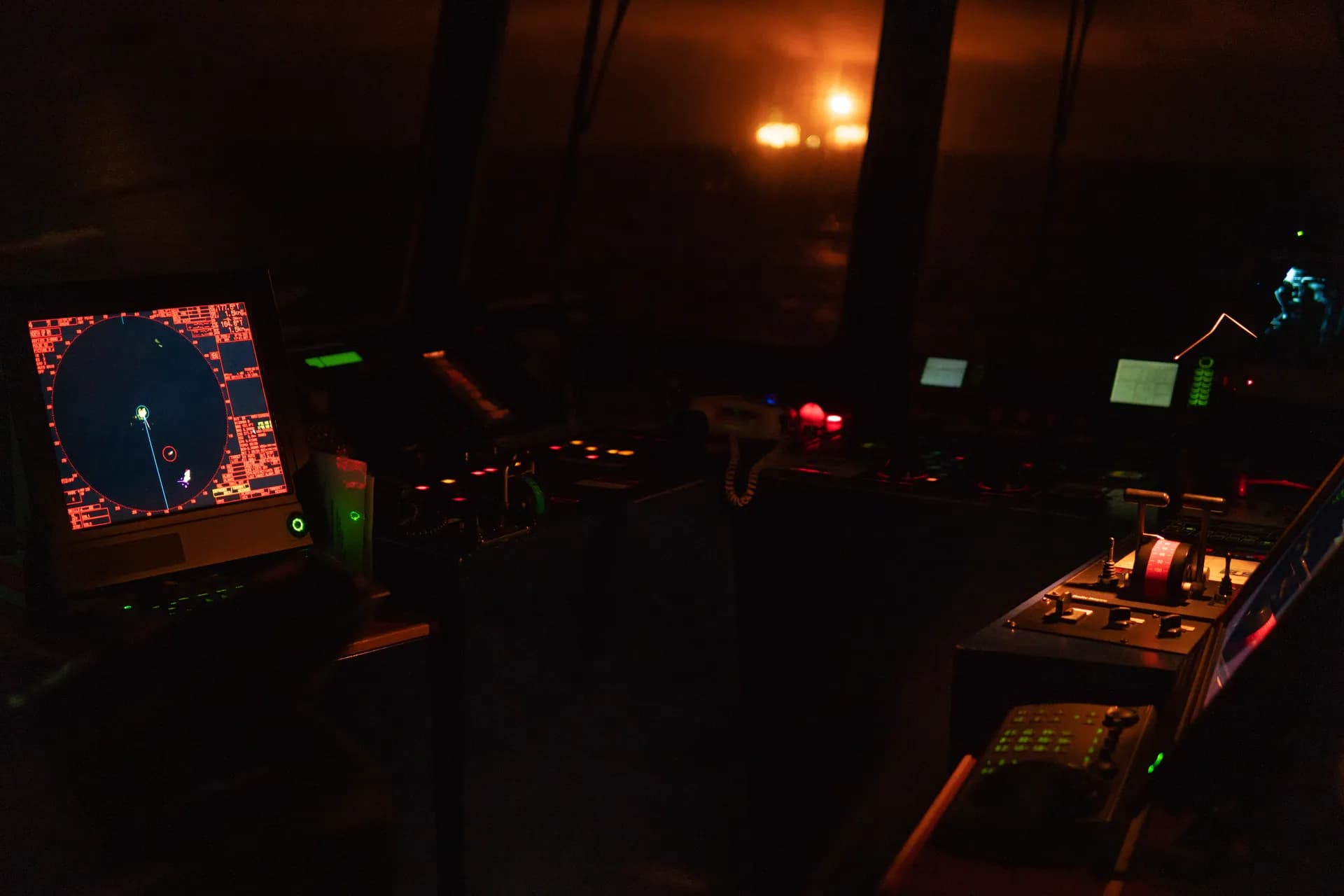
Build watchlists for an operator, a port, a region, a vessel type or your own set of vessels, and get an alert the moment a ship enters or leaves the zone, comes inbound on ETA, drops off AIS, is reported a casualty or for sale, turns up as a new registration, runs its certificate down, starts heading for one of your ports, picks up new PSC findings, is newly sanctioned, or changes owner, flag, class or name. Each one lands in your inbox, as a web push or in Slack, with quiet hours and a daily or weekly digest when you want it.
Save any filter as a huntBeta
Build a filter in Fleet, save it as a hunt, and we flag every vessel that newly matches it. The search you already run by hand keeps running for you.
Hunt a port
Pick ports or countries and a vessel type or size class, and every ship heading there turns up, with a contact on every row. A hunt flags a departure as well as an arrival, and you set the arrival window in hours.
ActionsBeta
Home shows what to do next, not just what happened. Your hunts suggest the actions: a ship due at your port, a new owner or manager, new PSC findings, a sanctions listing. Add your own follow-ups next to them, tick them off, and find what is due today in your daily mail.
Add any fleet
Tick companies in the list, choose their operated or owned ships, and ask for the fleets in one of your lists. We check every request before the vessels go in, and email you when they are there.
Verified lists
Put the vessels, owners or ports you care about into a custom list, or start from our ready-made verified lists, then point your watchlists and alerts straight at it. As ships change hands the list keeps up, so the book you work from never goes stale.
Reports
Export the record as a report, straight from the database. Roll it all into one document, or pull compliance, dry dock activity and casualty history on their own, ready for the review, the board pack or the customer call.
Security and audit log
We follow SOC 2-aligned controls, with SOC 2 Type II certification in progress. Every action is logged, and access is scoped by role, so you and your team see only what you should. A custom DPA and SSO are available on request, and your data, along with the contacts you reveal, stays yours.
Your universal data partner
Vessel Hunter runs in any browser, with nothing to install. Native apps for iPhone, iPad and Android, plus an Apple Watch companion, are on the way: a push the moment a target ship hits your zone, and a call to the operator in one tap.