Panama Canal Loosens Booking Rules to Stretch Shrinking Transit Capacity
Neopanamax customers regain the right to hold multiple reservations as minimum slot allocations arrive by sector
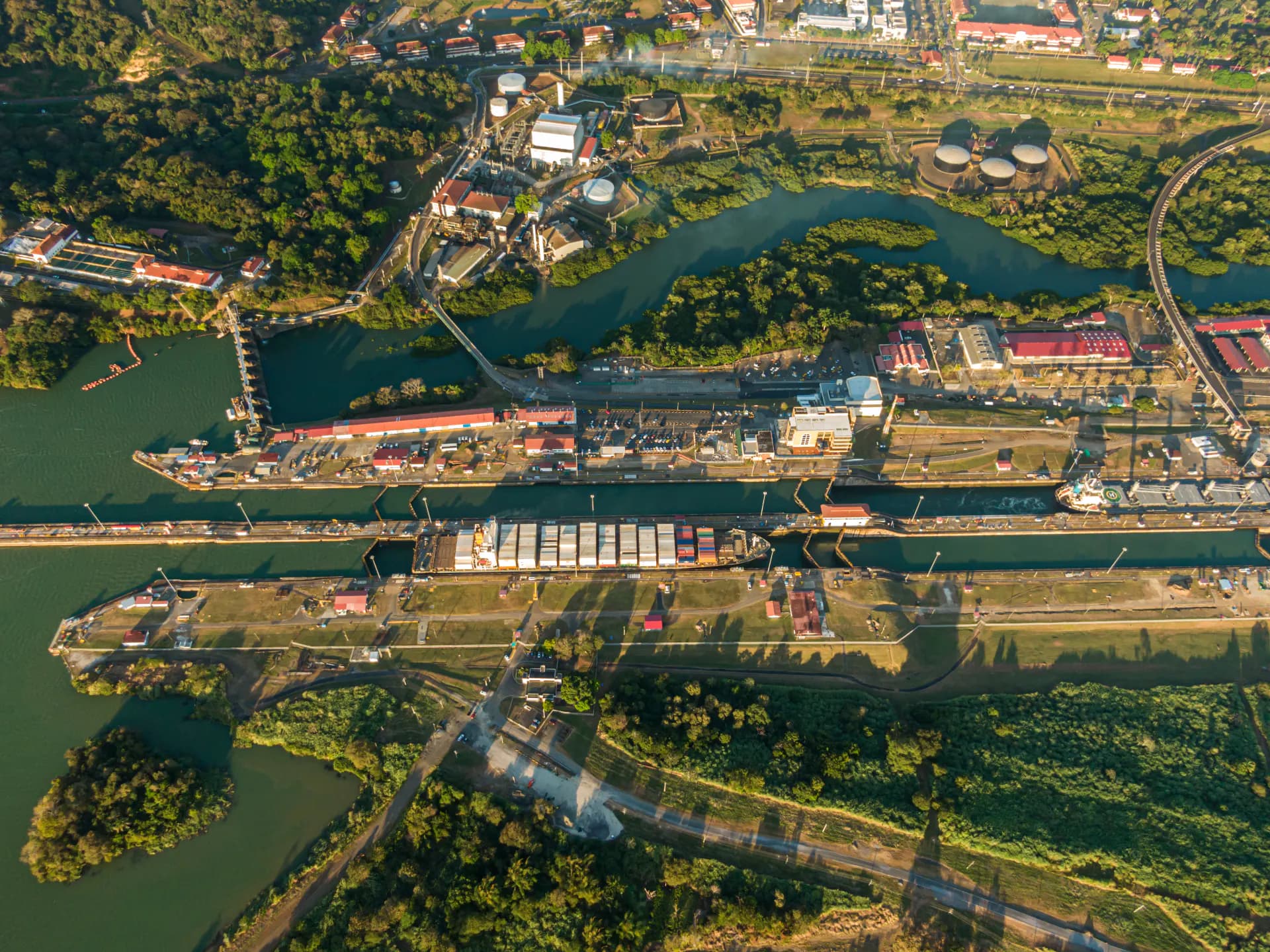
The Panama Canal has temporarily loosened parts of its booking system in an effort to make scarce transit capacity more flexible, as deteriorating water conditions continue to squeeze one of the world's most important maritime chokepoints.
From booking dates beginning 13 September, neopanamax customers will be allowed to secure more than one reservation for the same date and to obtain slots on consecutive days, temporarily removing restrictions introduced earlier this year. The canal will offer 63 neopanamax reservation slots each week, including allocations made through its Long-Term Slot Allocation and NetZero programmes.
Minimum allocations are also being introduced across key sectors. Full containerships will receive at least five slots per booking date, while LPG and LNG carriers will each receive at least three. Vehicle carriers, bulkers and other vessel categories are guaranteed at least three slots per week, with unused capacity redistributed between sectors afterwards.
The changes come as Panama attempts to extract maximum efficiency from the capacity it has while conserving water amid a strengthening El Nino. Daily booking capacity is falling from 34 vessels to 32 from mid-September, and authorities have also been trimming allowable neopanamax draughts as Gatun Lake levels decline.
That tightening has driven the value of guaranteed passage sharply higher. South Korea's SK Gas paid a record $5.3m last week to secure a 1 September transit for the LPG carrier G. Spirit, beating a $4.6m record set only weeks earlier. Vessels arriving without reservations have recently faced waits approaching 11 days.
The canal endured severe disruption during the 2023-24 drought, when reduced draughts and daily transit limits pushed ships onto longer alternative routes and reshaped trade lanes for the better part of a year. The response this time has been earlier and more granular, combining pricing, reservations, draught restrictions and more flexible slot allocation to stretch the available water before conditions deteriorate further.
For operators, the practical effect is a booking market that rewards planning depth. Guaranteed minimums give each sector a floor to work from, while the return of multiple and consecutive-day reservations restores the ability to sequence several ships through the waterway rather than bidding for isolated slots.