Panama Canal Cuts Daily Transits to 32 From September 3
Panamax slots fall to 23 by mid-September as Gatun Lake sits about a foot below its five-year average
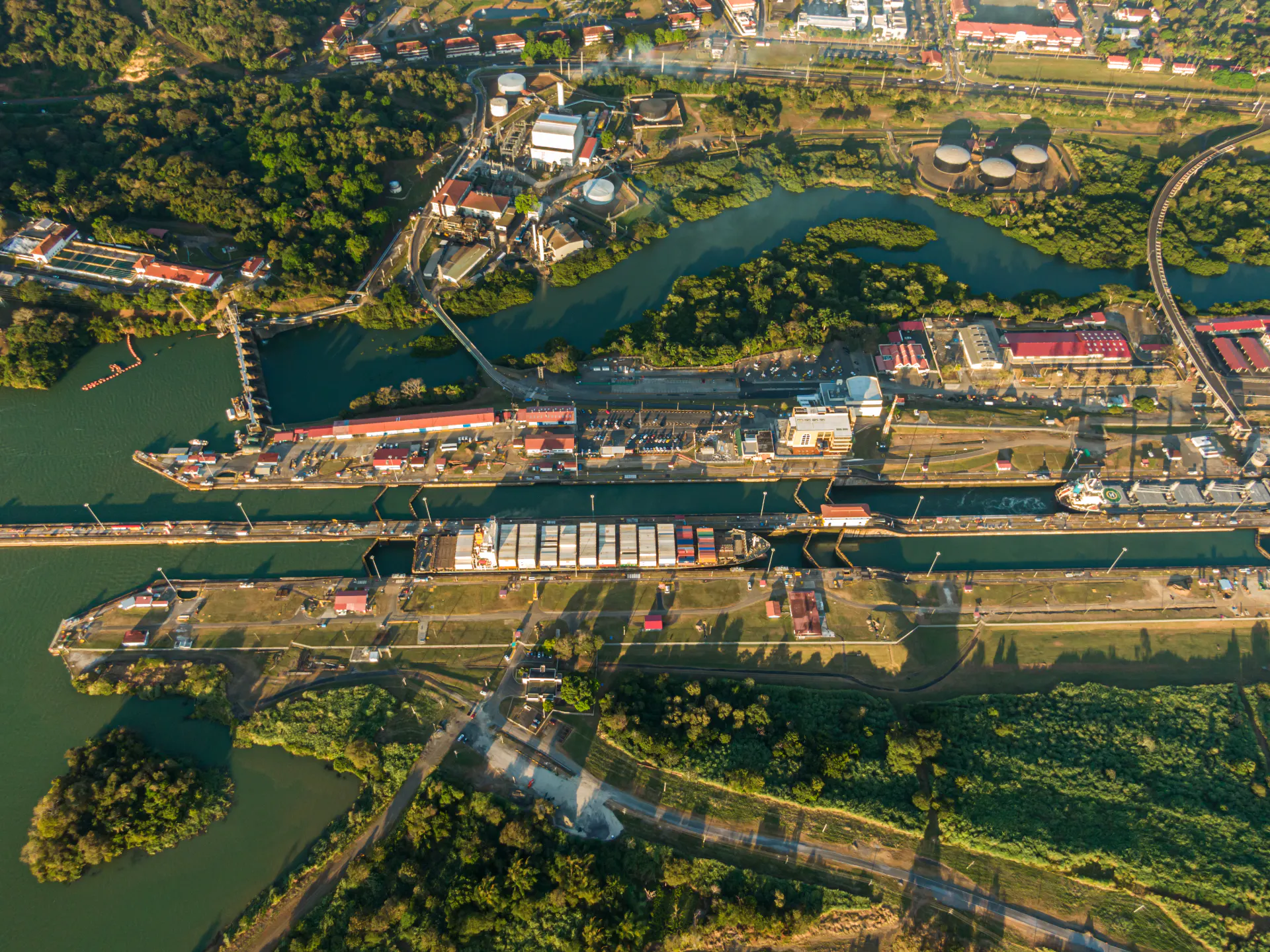
The Panama Canal Authority is widening what it calls temporary modifications to the locks' transit capacity, moving from draft restrictions to outright cuts in the number of ships it will handle each day. Starting September 3, daily transits fall from 34 to 32, with a further reduction scheduled for the middle of the month.
The Neopanamax locks will offer nine daily slots. The Panamax locks drop to 25 transits initially and then to 23 as of September 15. Together the two changes take a meaningful slice out of the waterway's throughput at a point in the year when the northern hemisphere peak season is still running.
Water levels in Gatun Lake have held steady for nine days, but the underlying hydrology has deteriorated. The Authority points to a 34 percent reduction in accumulated rainfall and a 44 percent reduction in water inflows over the hydrological year. The lake currently sits just over 84 feet, roughly one foot below the five-year average for August.
The forecast is the reason the Authority is acting now rather than waiting. Super El Nino conditions are expected to intensify through the remainder of 2026, and NOAA projects the event could become the strongest on record by the end of the year.
For operators without a booked slot, the effect is already visible in the queue. Unbooked vessels are averaging 8.5 days of waiting northbound and 7.7 days southbound, with 36 ships in line as of August 20. Fewer daily slots will lengthen those numbers.
Scarcity has pushed the slot auction to record levels. An LPG carrier paid a reported $4.6 million to secure priority passage, beating the previous high. The Authority is responding by segmenting auctions by vessel type, splitting them between LNG and LPG carriers, dry bulk, container vessels and tankers, and limiting how many slots a single customer can bid for in a day.
The segmentation is aimed at fairness between trades rather than at relieving the underlying constraint. Until rainfall returns, the arithmetic of the canal is simply that fewer ships can cross each day, and the cost of certainty is set by whoever is willing to pay most for it.