Singapore LNG starts building third jetty for 2m tonnes a year of bunker reloads
Jetty 3 on Jurong Island will take LNG carriers of 5,800 to 80,000 cubic metres from the second half of 2028
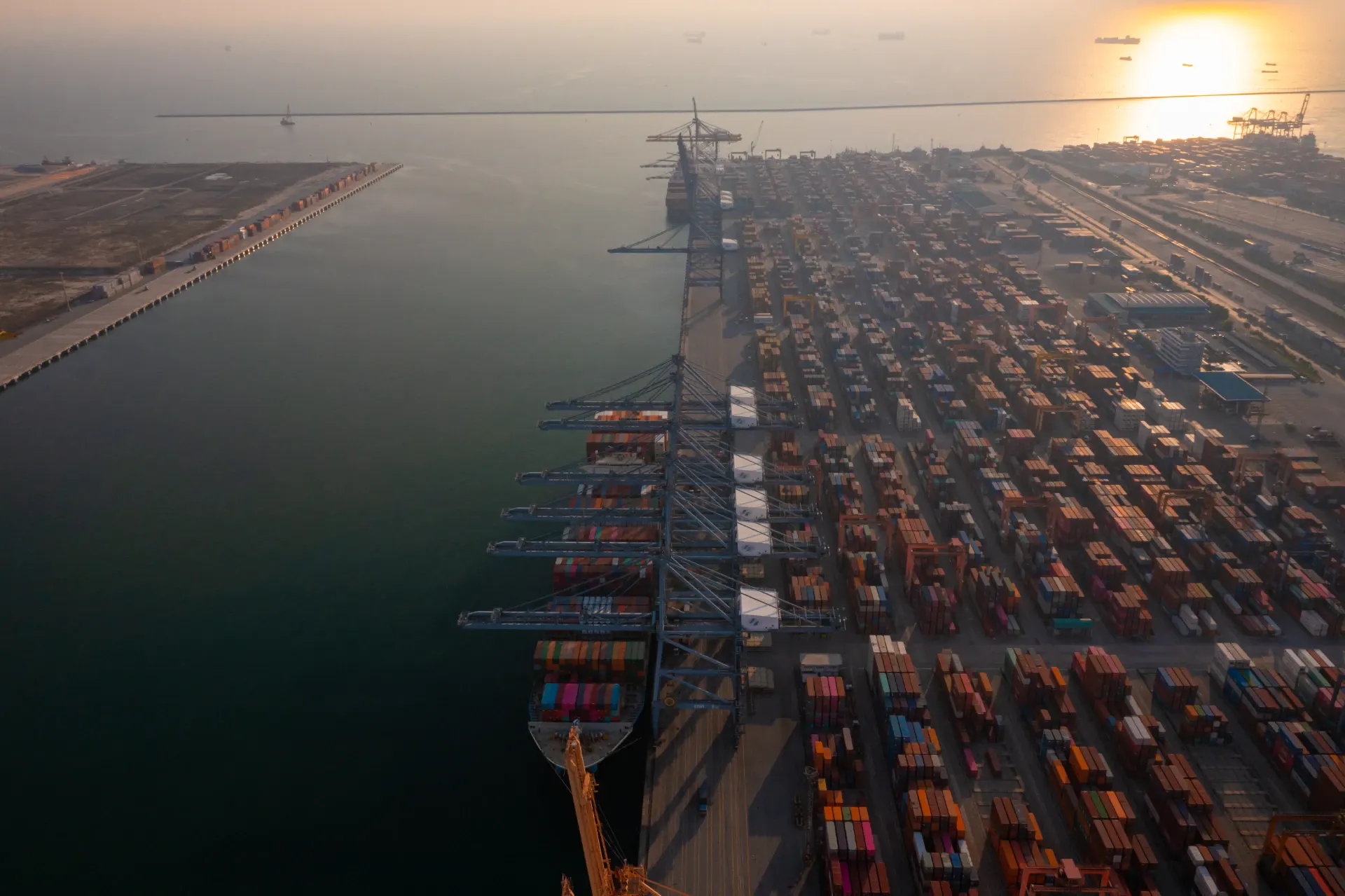
Singapore LNG Corporation (SLNG) has started building a third jetty at its terminal on Jurong Island, the terminal's first berth dedicated to small and mid-scale LNG carriers. The jetty will take ships of 5,800 to 80,000 cubic metres and is due for completion in the second half of 2028, when it will support about 2m tonnes a year of LNG bunker reload demand as well as break-bulk and other small-scale LNG operations.
SLNG marked the start of construction with a ceremony on 9 October attended by chairman Gan Seow Kee, chief executive Leong Wei Hung and Roger Chia, chairman of the project contractor Rotary Engineering. In a bunker reload, an LNG bunker vessel loads at the terminal and then delivers the fuel to ships in port.
The terminal's existing infrastructure supports about 1m tonnes a year of bunker reloads. With Jetty 3 in service, SLNG's facilities could together support up to 3m tonnes a year, depending on market demand.
Why is SLNG adding capacity now?
Singapore was the world's largest LNG bunkering port in 2025, and SLNG cites industry estimates of about 1,700 LNG dual-fuelled ships in operation worldwide by 2029. Monthly volumes are uneven: statistics from the Maritime and Port Authority of Singapore show LNG bunker sales of 58,600 tonnes in August, 13% below the 67,000 tonnes of August 2025.
SLNG has also obtained International Sustainability and Carbon Certification (ISCC) EU certification for handling bio-LNG at the terminal, covering storage, regasification and send-out, bunkering and trucking services. It describes itself as among the first terminals in the region with that certification, which allows bio-LNG handled there to be traced and accounted for under the ISCC EU scheme. The new jetty will also be able to handle bio-LNG.
SLNG was set up in June 2009 by Singapore's Energy Market Authority to develop, build, own and operate the country's first LNG import terminal, which began commercial operation in May 2013. The company is also developing a second terminal.
This story is part of the Maritime Briefing of 13 October 2026.