Suez Canal large container transits jump tenfold as CMA CGM Pantheon makes first passage
166 transits by container ships over 130,000 net tons in the third quarter against 16 a year earlier; the 24,212 TEU Pantheon transited on 13 October
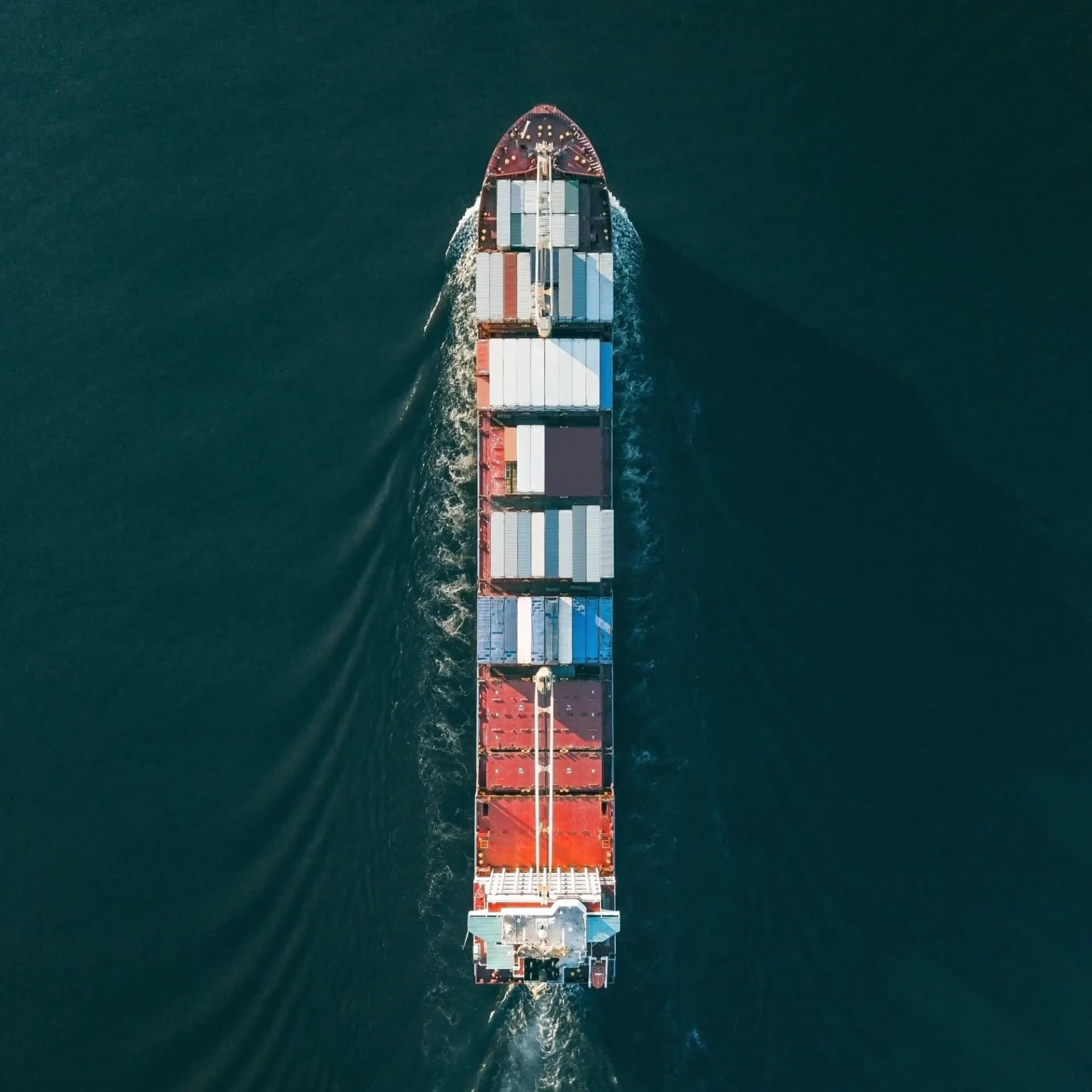
Medium and ultra-large container ships of more than 130,000 net tons made 166 transits of the Suez Canal in the third quarter of 2026, against 16 in the same size range a year earlier, the Suez Canal Authority said. Their combined tonnage rose to 29 million net tons from 2.4 million.
SCA Chairman Admiral Ossama Rabiee said "The Suez Canal holds a strategic significance for containerized trade" and pointed to rising fuel prices and freight rates as pressure on lines and shippers. The authority expects volumes to keep rising and says the canal can take the largest container ships now in service.
On 13 October two of CMA CGM's newest ships were in the convoys. The 24,212 TEU CMA CGM Pantheon, a French-registered ship of 233,559 dwt that entered service in July, made her first transit, southbound from Tanger Med to Port Klang. The 16,204 TEU CMA CGM Monte Cristo, Malta-registered and delivered at the start of 2026, was also southbound for Port Klang.
Which carriers are back?
CMA CGM was the first to return. Maersk, Hapag-Lloyd, MSC and OOCL have since routed ships through the canal and the Red Sea, and COSCO has restored part of its deployment. The Premier Alliance of Ocean Network Express, HMM and Yang Ming is due to return in the coming days.
Drewry said in early October that the threat that pushed carriers away has not gone, and may have increased with the Houthis' recent offensive and fighting near Bab al-Mandeb. It put the direct saving at about $43 per slot, roughly $1 million per round voyage, before war-risk premiums, and called the eagerness to return "difficult to explain" on voyage costs alone. Its explanation is that carriers are weighing round-voyage savings, the extra sailings a shorter route allows, schedule integrity across their networks and competitor pressure, which makes the choice a network, capacity and customer-service decision rather than a simple comparison of Suez and the Cape.
The September figures for Red Sea container transits are in our earlier report.
This story is part of the Maritime Briefing of 15 October 2026.