Rosneft Ships First Vostok Oil Cargo Through New Sever Bay Arctic Port
Loading began aboard a 69,323 dwt shuttle tanker at a terminal at the mouth of the Yenisei
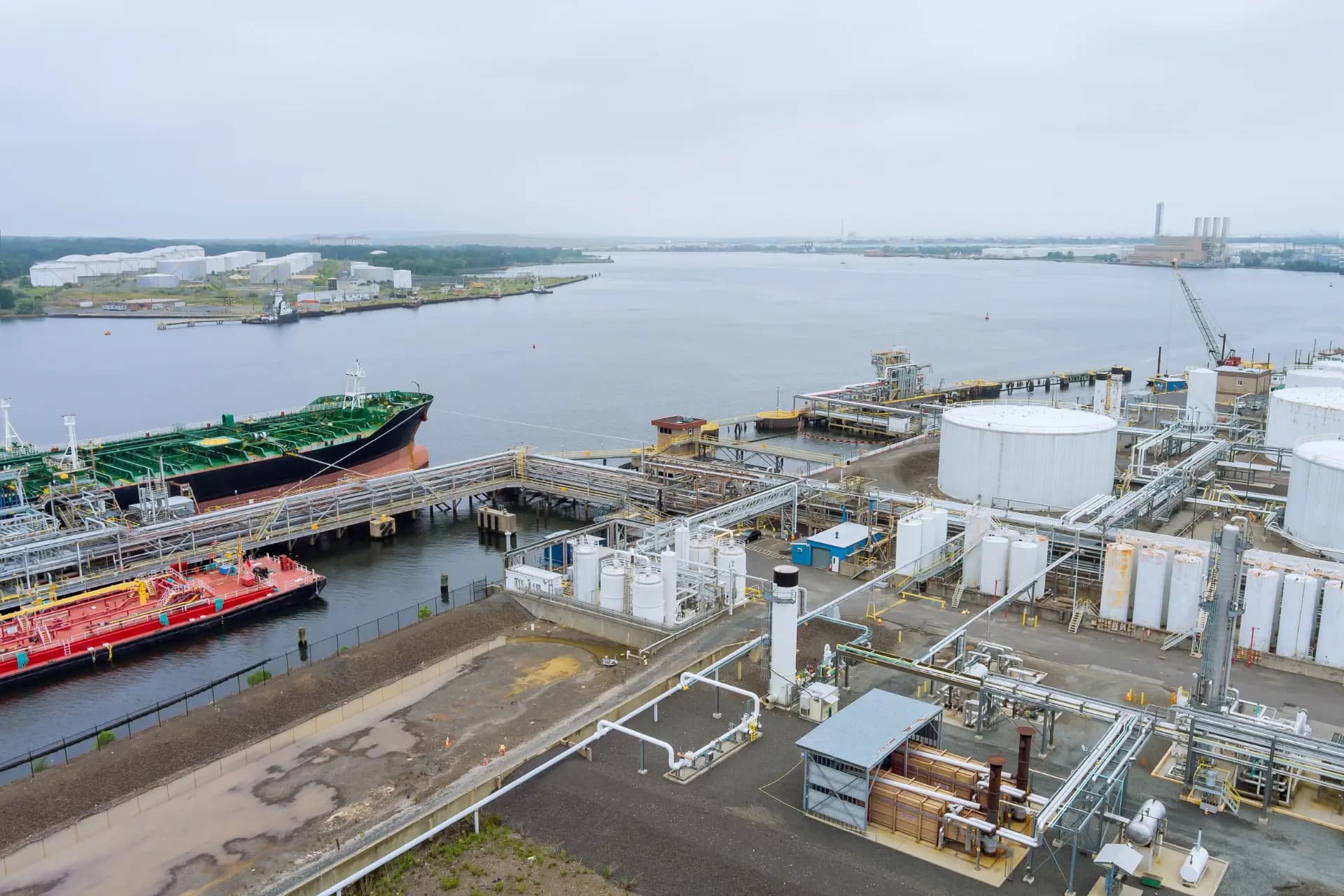
Crude has started moving from the Vostok Oil development on the Taimyr Peninsula through Sever Bay, a purpose-built terminal at the mouth of the Yenisei River, with the first cargo loaded on 5 September. President Vladimir Putin joined the ceremony by video link and gave the order to begin loading.
The development is the largest single piece of Arctic upstream construction Rosneft has undertaken. It covers 52 licence areas containing 13 oil and gas fields, with total reserves estimated at 7 billion tonnes. The company consolidated its Arctic interests into the scheme in 2019 and began drilling on the peninsula in 2020.
Two fields are connected to the terminal by a newly laid 790-kilometre pipeline with a stated capacity of 100 million tonnes a year, including a six-kilometre section running beneath the Yenisei. Construction of the port required a dam to shelter the bay and permit year-round working, and the terminal sits close to 500 kilometres further north than any comparable facility.
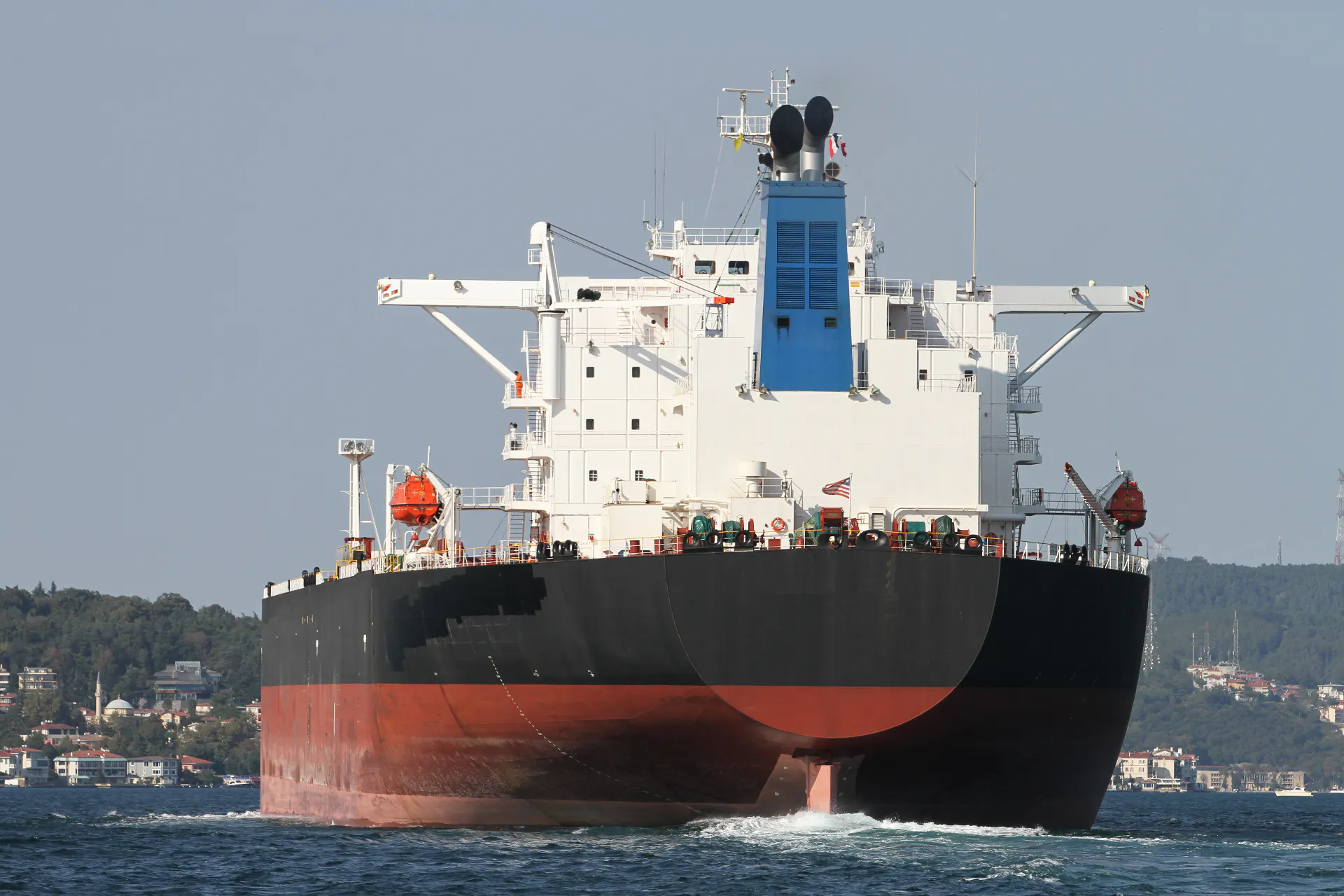
The first cargo was loaded aboard the shuttle tanker Valentin Pikul, a 69,323 dwt unit delivered in 2024 for Rosnefteflot. Chief executive Igor Sechin said the larger crude carrier Akademik Gubkin was already standing by to take the second parcel.
Sechin set out a steep ramp for the project. "As early as the second half of next year, Vostok Oil will ship 30 million tons of oil, increasing to 50 million tons by 2030, and eventually to 100 million tons per year," he said.
Putin tied the terminal to the wider Northern Sea Route programme and to what Moscow has begun calling the Trans-Arctic Transport Corridor, a single corridor linking the Baltic, the Arctic and the Far East. He said cargo along the route reached 37 million tonnes last year, and forecast 70 million tonnes annually by the end of the decade.
He also pointed to the tonnage being built to serve it. Three serial universal nuclear icebreakers of the Arktika class and the larger Lider-class vessel Rossiya are due to join the fleet by 2030, alongside additions to the cargo and rescue fleets and further work at Baltic, Barents and Kara Sea ports.
This story is part of the Maritime Briefing of 8 September 2026.
Ships in this story