Viking Reach sold to Greek subsea contractor for trenching work
Eidesvik Offshore and Reach Subsea have agreed to sell their jointly owned inspection, maintenance and repair vessel Viking Reach, with the buyer subsequently identified as the Greek subsea contractor Asso.subsea. The ship will be renamed Arete, reflagged to Greece and deployed as a trenching support vessel on the buyer's offshore wind and subsea cable backlog. Completion is expected in the early part of the fourth quarter, subject to customary conditions. The price has not been disclosed.
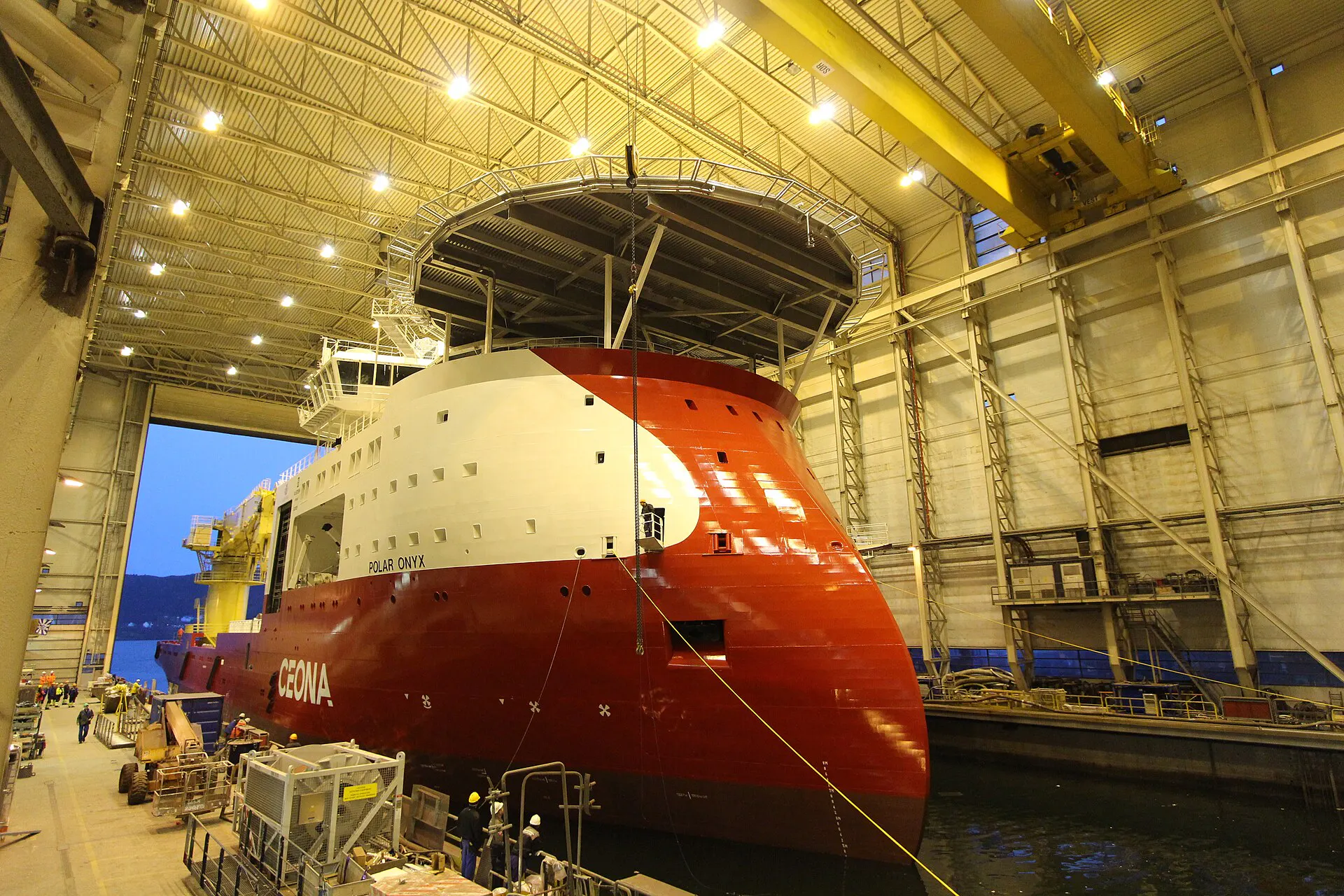
The vessel was built in 2009 and measures 85.3 metres with 4,398 gross tons and around 2,200 deadweight tonnes. She carries a 70-tonne active heave compensated crane, roughly 650 square metres of deck and accommodation for 72, together with integrated work-class remotely operated vehicle and survey systems. The sale includes the onboard high-specification ROV spread, which is a material part of what the buyer is acquiring.
The financial outcome is favourable for both sellers. Eidesvik expects a gain of around 80 million Norwegian kroner. Reach anticipates roughly 30 million kroner on the ROV sale together with a further 40 million from its ownership stake, and a total liquidity effect above 200 million kroner. The joint venture acquired the ship in 2023 for 29 million dollars, so the disposal follows a three-year holding period in a market that has strengthened considerably since.
Both sellers framed the transaction as fleet renewal executed into a strong secondhand market. Reach Subsea chief executive Jostein Alendal said the sale allows the company to realise value in a strong secondhand vessel market while advancing its long-term fleet renewal strategy. Eidesvik chief executive Helga Cotgrove described the company as taking advantage of a strong market for secondhand tonnage.
For the buyer the logic runs the other way. Commercial director Eva Pavlou said the acquisition reinforces the company's long-term commitment to providing trenching solutions to the offshore energy market, following two purpose-built trenching support newbuildings already in the fleet. Converting a well-equipped IMR vessel into a trencher is considerably faster than ordering one, and the constraint on cable installation work at present is available vessels rather than available contracts. The transaction is a fair summary of where the offshore market sits: sellers are realising values that were unavailable three years ago, and buyers are paying them because the alternative is waiting years for a newbuilding berth.
Ships in this story