US Treasury Sets Cure Period Before Iran Banking Sanctions
Every country gets a defined timeline to end Iran-related activity before penalties
Six months after the start of the conflict with Iran, the US Treasury has issued a warning shot ahead of a sanctions campaign targeting the country's financial enablers around the world.
Treasury secretary Scott Bessent signalled that the administration will use secondary sanctions to penalise foreign banks if they continue to work with five key Iranian sectors, including shipping. Treasury has declared an economic D-Day for financiers engaged in Iranian commerce, but is allowing a cure period for self-correction: every nation will be given a defined timeline to end identified Iran-related activity before penalties begin.
Once that timeline expires, new sanctions language will allow OFAC staff to widen their scope and target Iran's digital assets, technology, gold, aviation and shipping sectors more directly.
The measures announced on Monday were familiar target types: entities helping Iran obtain ballistic missile parts, Iranian hacking groups, and covert energy brokers and shipping facilitators. The largest counterparties in Iranian export trade, Chinese refiners and financiers, were not on the list.
To increase the pressure elsewhere, Treasury suspended a general licence that allowed Iranian expatriates to send money home to their families, and ended sanctions exemptions for educational and sports activities.
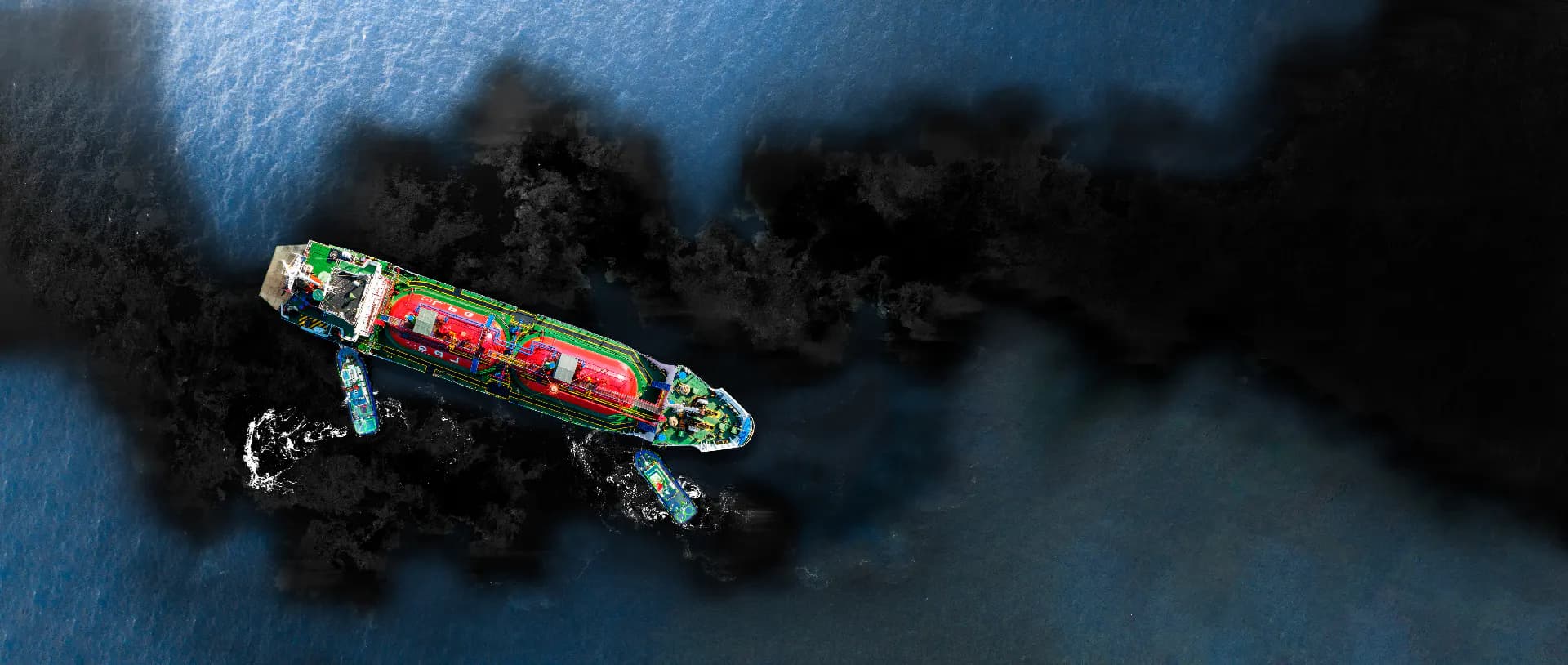
For shipping interests, Treasury reiterated its warning against paying fees or transferring anything of value to the Iranian entities that regulate crossings in the northern half of the Strait of Hormuz. Though the Iranian route carries safety advantages, the risk of US sanctions on non-US persons and financial entities for paying Iran's tolls is significant.
Iran's most important counterparty is the Chinese banking system, notably Bank of Kunlun, a subsidiary of state oil company CNPC that has been subject to a softer set of US sanctions since 2012. Bessent declined to say whether the administration would levy penalties on China's state-backed financial institutions, saying instead that all countries would be covered by the D-Day warning.
Asked why penalties would not start immediately for all offenders, Bessent responded: "Why would I want to blow up the global financial system?" Self-correction, he said, would be preferable to designation. Sanctions effectively eject the target entity from the dollar-denominated financial system, leaving it unable to receive or make payments, and unsettling private investors in the process.
Beyond risk to the financial system, sanctions on Chinese entities would attract a political response from Beijing. "China's reaction likely will depend on the size of the bank. But expect retaliation," said Jim Mullinax, a former State Department sanctions enforcement officer. "If China doesn't play ball, then others won't either and it's hard to see how this doesn't escalate."
For owners and managers, the practical exposure is the payment chain rather than the voyage itself. Banks that decline Iran-adjacent business will also decline the freight, bunker and insurance flows attached to it, which is how earlier pressure on Chinese buyers has translated into a widening pool of sanctioned tonnage.