Japan sanctions 35 shadow fleet ships in its first vessel designations
31 tankers and four cargo ships need a permit for repairs, insurance, crew and financing from 2 October
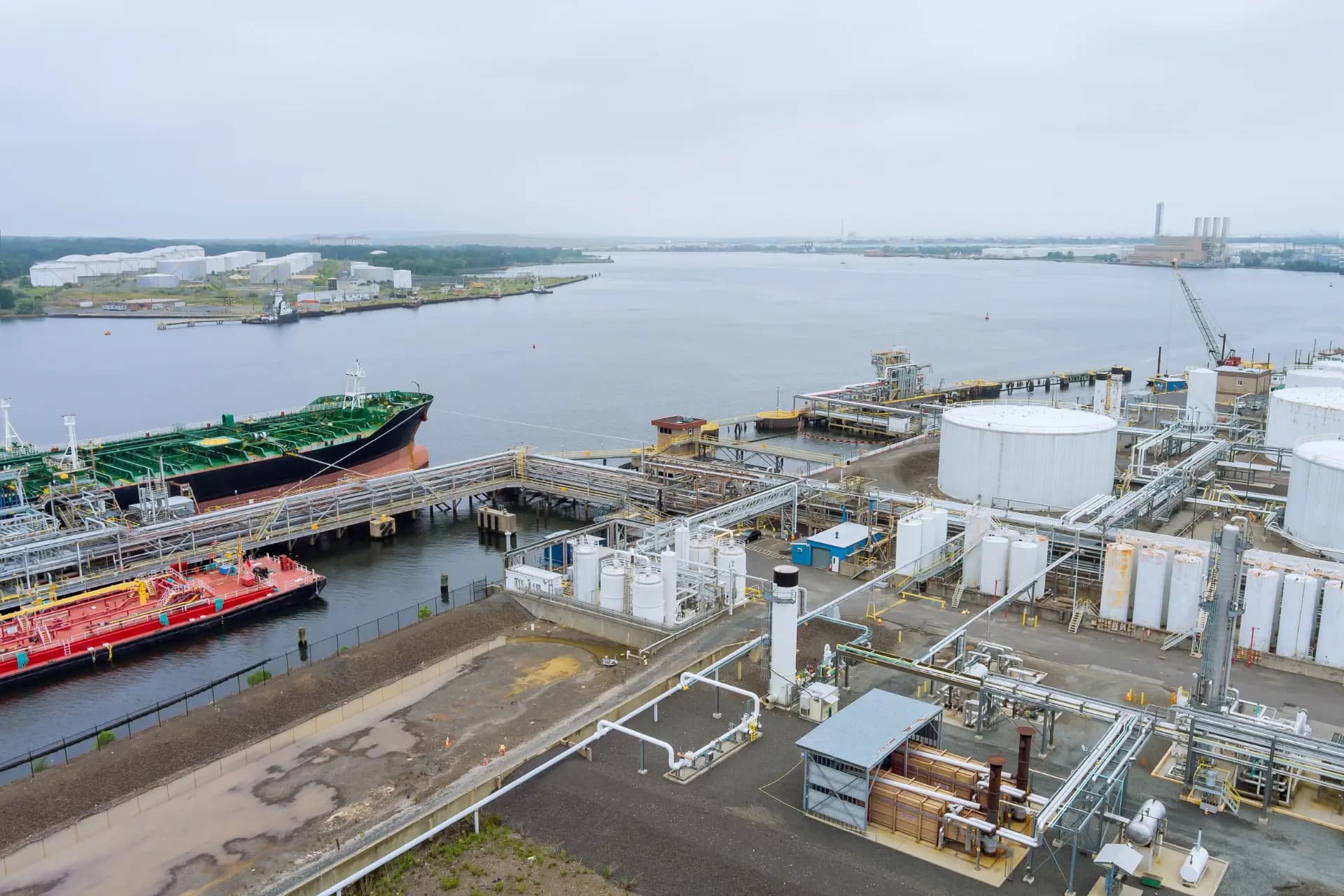
Japan has placed sanctions on individual ships for the first time, designating 35 vessels linked to Russia's oil exports. The measures took effect on 2 October under the Foreign Exchange and Foreign Trade Act, and the government said their purpose is to cut Russia's revenue from crude.
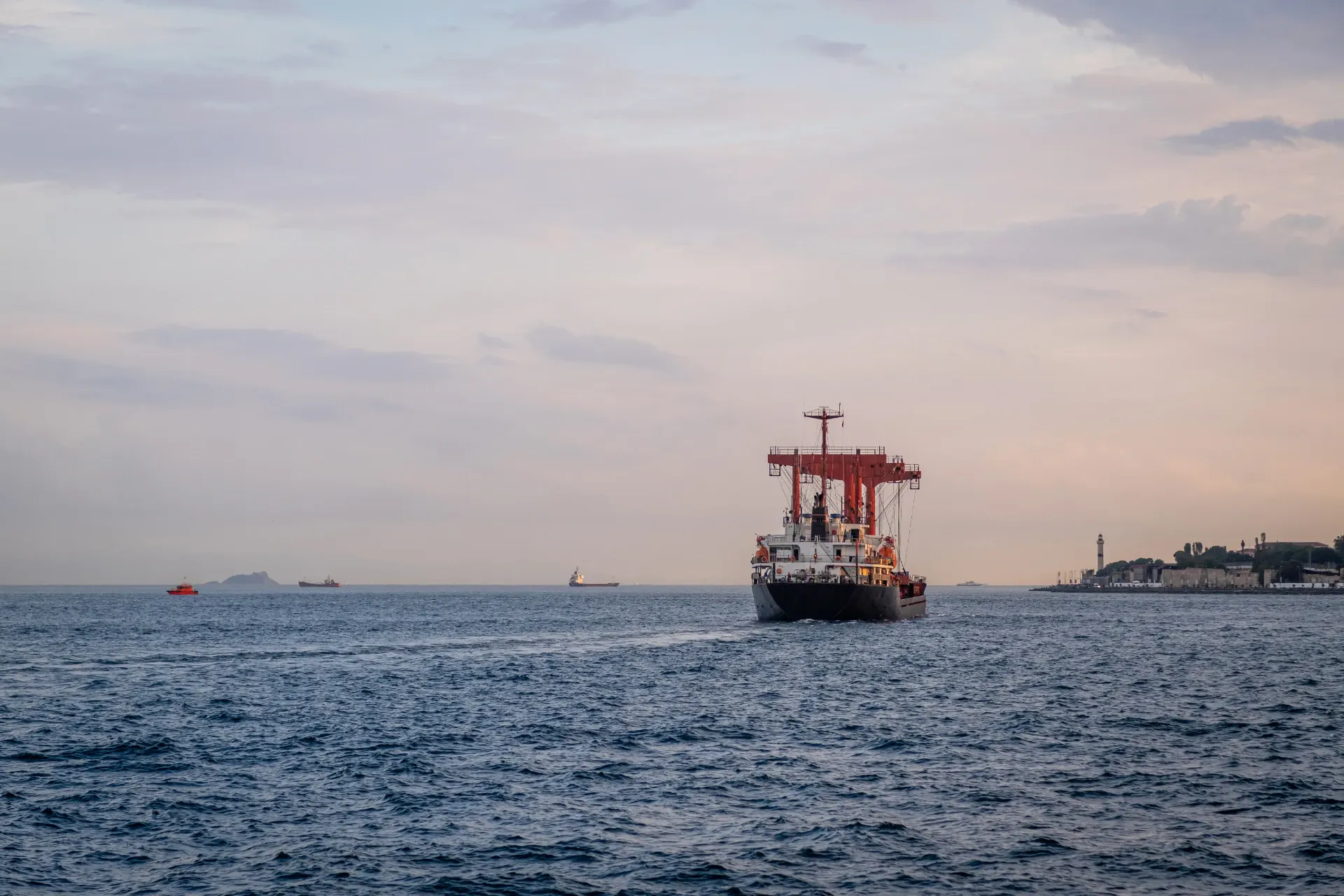
The list holds 31 crude and product tankers of about 3.33 million dwt between them, and four ro-ro and general cargo ships of 37,018 dwt. Thirteen are Oman-registered crude tankers, 17 fly the Russian flag and five carry false flags or have no known registry. The Ministry of Foreign Affairs notice identifies each ship by IMO number.
Among the tankers are Kemerovo, Solaris, Lynx and Georgy Maslov. The four cargo ships are Angara, Lev Yashin, Lady R and Maia-1.
What do Japanese companies now need permission for?
The designation works through a permit system. A Japanese company needs government permission to provide specified services to a listed ship, a category that covers repairs, insurance, maritime transport and the employment and dispatch of crew. Loans and debt guarantees connected with the sale, purchase, lease or charter of a listed ship also require permission.
The rules apply to obligations performed on or after 2 October. Contracts signed before that date benefit from a transition period, but only where the obligation is performed or the service delivered before 1 November 2026.
The same package adds 33 Russian entities and nine individuals to Japan's asset freeze. Payments to them, and deposits, trusts and loans involving them, now require permission. Japan also banned exports to four entities in Turkey and the UAE and widened its export restrictions to cover items that could strengthen Russian industrial capacity.
Japan had previously listed Russian companies and individuals and lowered its price cap on Russian seaborne crude. Ukrainian President Volodymyr Zelenskyy welcomed the package.
This story is part of the Maritime Briefing of 6 October 2026.