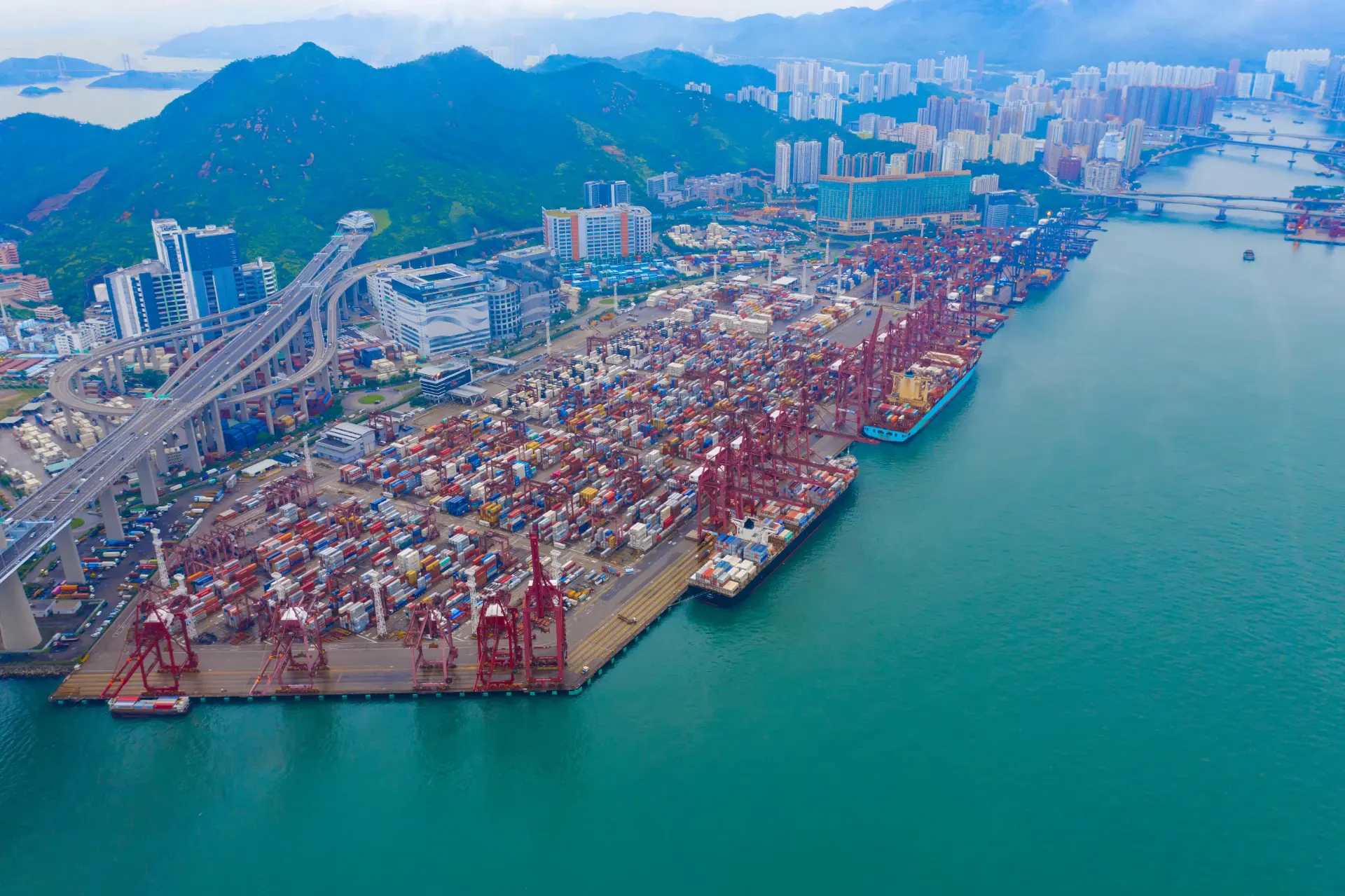
US Container Imports Peaked Early And Face Monthly Declines
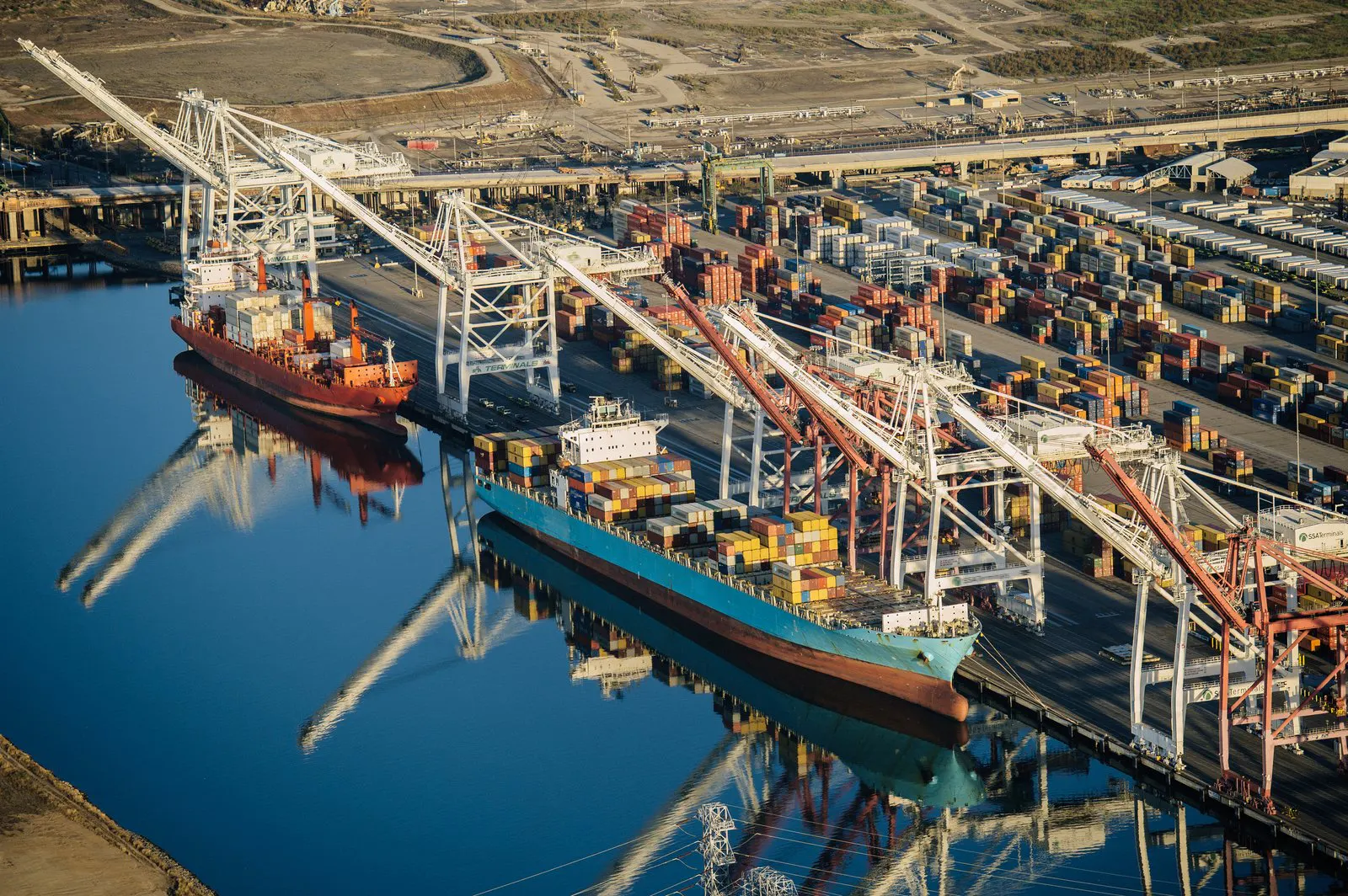
Container imports into the United States remain at high levels but have peaked unusually early and are now expected to fall month by month for the remainder of the year, according to a retail trade association whose forecasts are widely used as a demand indicator. The group expects full-year volumes of 25.5 million containers, essentially flat against 25.4 million last year and 25.5 million the year before.
The distortion is in the timing rather than the total. The busiest month this year appears to have been May, well ahead of the late-summer peak that the trade normally follows, as importers pulled volume forward to land goods before tariff changes took effect in late July. A trade policy official at the association attributed the pattern to that pull-forward and to other uncertainties in the supply chain, naming the continuing disruption from the conflict involving Iran.
The monthly figures show the shape. June was estimated at 2.23 million containers, July at 2.21 million and August at 2.22 million, with volumes potentially up as much as 3 percent year on year in September and October before declining to 2.16 million and then 2.13 million, with November forecast at 2.03 million and a slight uptick to 2.06 million in December. That is a gentle slope rather than a collapse, but it is a slope through the months that normally carry the year's heaviest volumes.
A flat year built on a displaced peak is a difficult market to operate in. Carriers plan capacity, charter tonnage and port labour around a seasonal pattern that has held for decades, and a peak that arrives three months early leaves ships and terminals configured for volumes that have already passed through. The costs of that misalignment fall on the operators rather than the shippers who created it, and they are not recovered when the annual total turns out unchanged.
The policy backdrop offers no stability. One tariff programme has ended and another has begun, affecting 99 percent of American imports, and the administration has indicated it intends to continue on that course despite opposition and adverse court rulings. Importers responding rationally to that uncertainty will keep pulling volume forward whenever a deadline appears, which means the seasonal pattern the industry plans around is now set by the political calendar rather than by consumer demand. Consumer spending has so far remained resilient despite high fuel costs, which is the one variable in the forecast behaving conventionally.