Lashing-free CMA CGM Gold enters service as Dutch dockers' union raises doubts
The 13,000 TEU ship from HD Hyundai Samho uses cell guides above deck; FNV wants experts to inspect her in Rotterdam

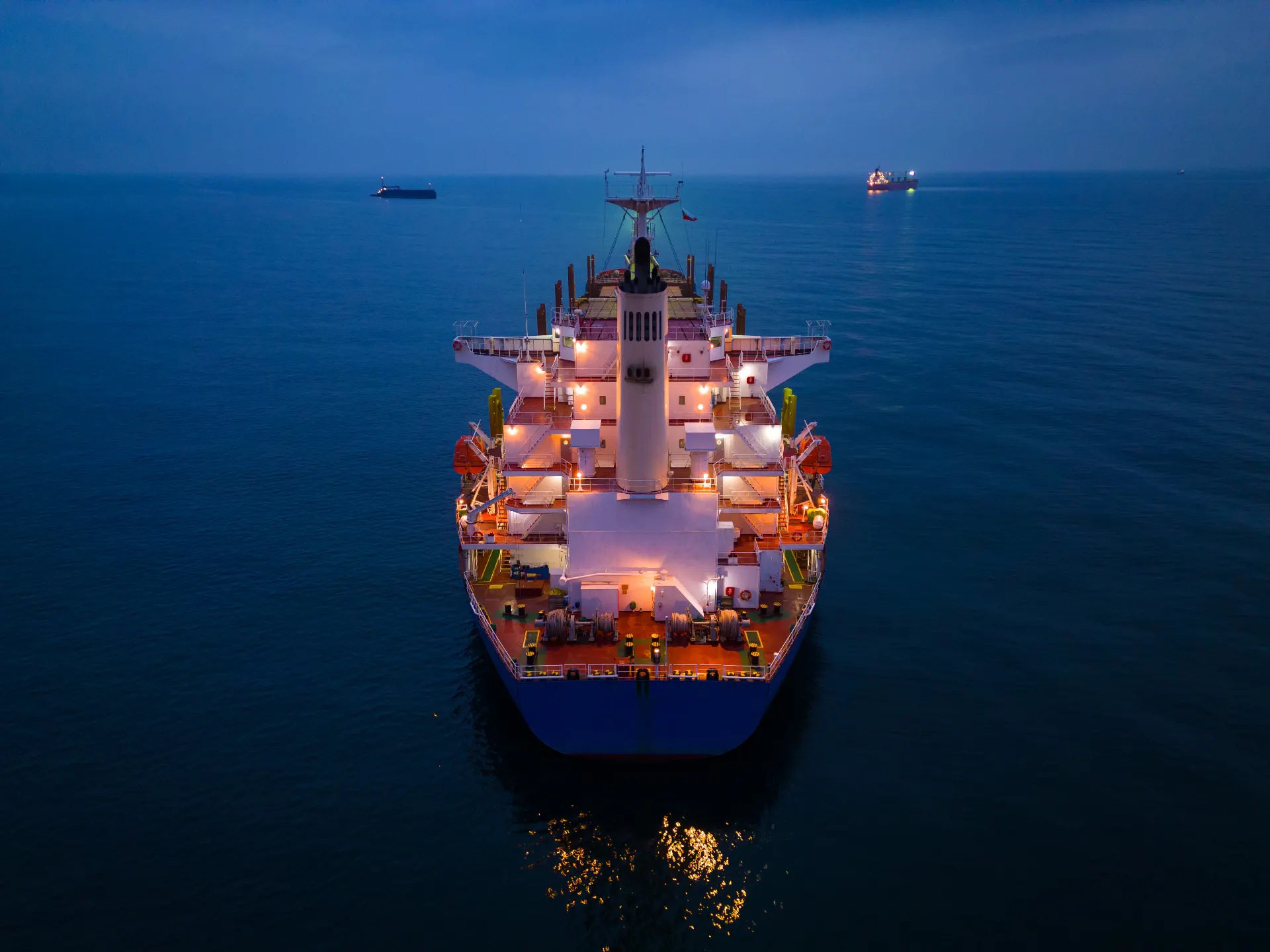
CMA CGM has taken delivery of CMA CGM Gold, a 13,000 TEU containership on which containers stacked on deck do not need manual lashing. The ship was built by HD Hyundai Samho, using technology developed by HD Hyundai Heavy Industries, and is described by the builder as the world's first lashing-free containership. She was named on 2 October and sailed on 5 October for her first port of call, Tianjin.
On a conventional containership, containers stacked above the hatch covers are secured with twistlocks, lashing bars and other gear, which workers fit before departure and remove after arrival. CMA CGM Gold instead extends the cell guides of her holds above deck, so that containers stay vertically aligned in steel guides. Because conventional hatch covers would block those guides, the yard developed standardised portable benches the size of a 40-foot container, which port cranes can lift, and a twistlock rooting system fixes containers outside the guides to the hull. The system is a hybrid version of the technology. HD Hyundai says the methanol-fuelled ship can carry more than 10% more cargo weight on deck than a conventional design, and that sea trials showed much lower vibration.
Why are dockers sceptical?
Niek Stam of the Dutch union FNV doubts that the system will work as intended in practice and wants experts from the lashing trade to inspect the ship when she calls at Rotterdam. His main concern is damaged guides: if a guide bends, the next containers may no longer fit between them, while a construction with too much play could let containers shift, so that lashing would be needed after all. He also asks whether shippers will see any of the savings on lashing costs.
The principle is not new. In the 1990s Nedlloyd operated seven ships with high cell guides above deck. The guides lengthened loading and discharging times and led to a lot of damage, some container positions later became unusable, and the ships were scrapped in 2014.
Lashing has been contested in Rotterdam before. In 2022 the Rotterdam court ruled that, under the dockers' clause of the International Bargaining Forum agreement, cargo lashing must where possible be done by trained dockworkers rather than by seafarers, a case brought by the ITF, FNV Havens and Nautilus NL. HD Hyundai says it is working on a next generation of the technology with better watertightness.
This story is part of the Maritime Briefing of 14 October 2026.