UK Brings Shipping Into Its Emissions Trading Scheme With No Phase-In

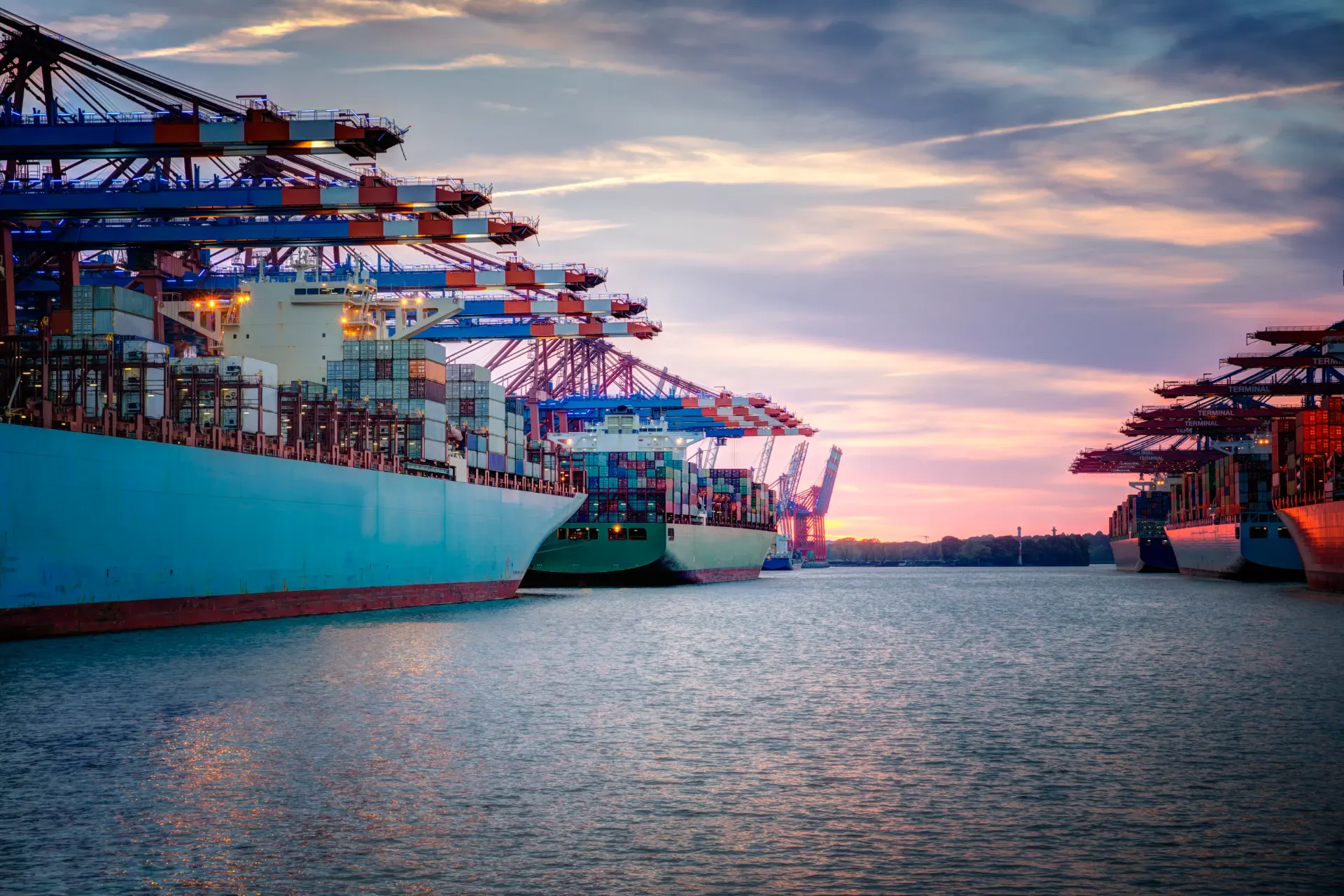
The United Kingdom has extended its Emissions Trading Scheme to shipping, covering cargo and passenger vessels of 5,000 gross tons and above, and has done so without the phased introduction that softened the equivalent European measure. Operators must account for and surrender allowances covering the full amount of in-scope emissions from the start rather than ramping up over several years.
The scope is narrower than the European scheme in geography but sharper in application. It captures emissions from domestic voyages within the United Kingdom and emissions generated while vessels are berthed or operating at British ports. International voyages remain outside the scheme for now, although the government is consulting on bringing them in. Operators will need to surrender United Kingdom Allowances matching their emissions, at prices that move with the market.
The commercial response has been immediate. Orient Overseas Container Line has announced a United Kingdom Emissions Quantum taking effect on 1 September, applying to intra-UK shipments, to cargo moving from Britain to the rest of the world excluding the European Union, and to United Kingdom to European Union routes, where both the British and European schemes will apply to the same voyage. The surcharge will be reviewed monthly in line with allowance prices.
That last category is where the design creates friction. A vessel sailing between a British and a European port now falls within two separate emissions trading systems with different coverage rules, different allowance markets and different compliance calendars. Carriers will pass both costs through, but the administrative burden of tracking a voyage against two regimes sits with them and with the shippers who have to check the resulting invoices. The absence of a phase-in also means the full cost arrives in a single step rather than building predictably.
For owners the wider question is what the consultation on international voyages produces. Domestic and at-berth emissions are a small share of the total for most operators calling in Britain, so the current scheme is more significant as a precedent than as a cost. Extending it to international voyages would create a third overlapping regime alongside the European scheme and the global measure the International Maritime Organization has been negotiating, and the industry's consistent position has been that a single global mechanism is preferable to a patchwork. Each national scheme that launches makes that outcome harder to reach.