Tanker Owner Adds Third Newbuilding To Growing Revenue Backlog
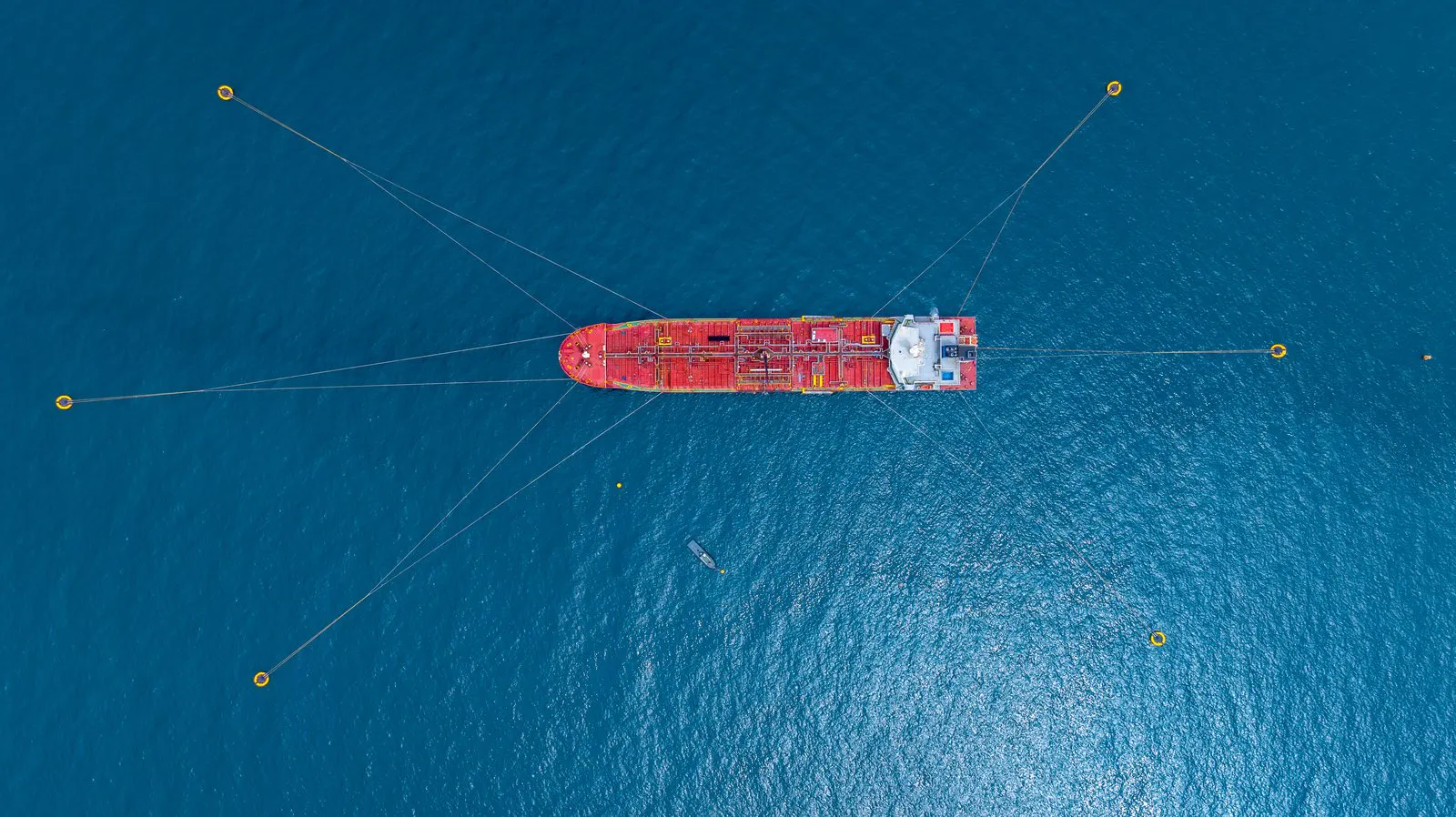
A tanker owner has agreed to acquire a special purpose vehicle holding a chemical and product tanker newbuilding of 47,499 deadweight tonnes under construction at a Chinese yard, in a transaction valued at about 6.5 million dollars for the entity, with the vessel due for delivery in the second quarter of 2029. The purchase is the company's third such newbuilding and lifts its potential gross revenue backlog by around 24 percent to approximately 379 million dollars.
The structure is worth explaining because the headline price is misleading if read as the cost of a ship. What changes hands is the company that holds the shipbuilding contract, not the completed vessel. The buyer acquires the contractual right to take delivery and assumes the remaining instalment obligations to the yard, so the 6.5 million dollar figure represents the equity in the contract at its current stage rather than the multiple tens of millions the finished tanker will cost.
Buying contracts rather than ordering directly has become a common route to a delivery slot. Credible yards are booked years ahead, and an owner wanting tonnage before the end of the decade often finds that the only available position is one already held by someone else. Acquiring an existing contract secures the slot and the price, both of which have moved against buyers as the orderbook has filled, and it removes the negotiation with the yard entirely.
The vessel size sits in the medium range segment, which carries refined products and chemicals on regional and mid-length trades rather than the long crude hauls of larger tankers. That part of the market has been supported by a structural change in refining: capacity has closed in Europe and been added in the Middle East and Asia, which lengthens the average voyage for finished products and absorbs tonnage. Ships in this band benefit from that redrawing without needing a freight rate spike to justify the investment.
The revenue backlog figure is the metric the company is managing towards, and it reflects a particular model. A backlog of 379 million dollars represents contracted future earnings from charters attached to the fleet, which is what allows a small owner to raise debt against ships that have not yet been built. Growing that number is how such a company scales, and each additional contracted newbuilding does more for its financing capacity than for its current earnings, which will not see this vessel until 2029.