Svitzer Orders Three Caribbean Escort Tugs After Delivering Region's Most Powerful Harbour Tug
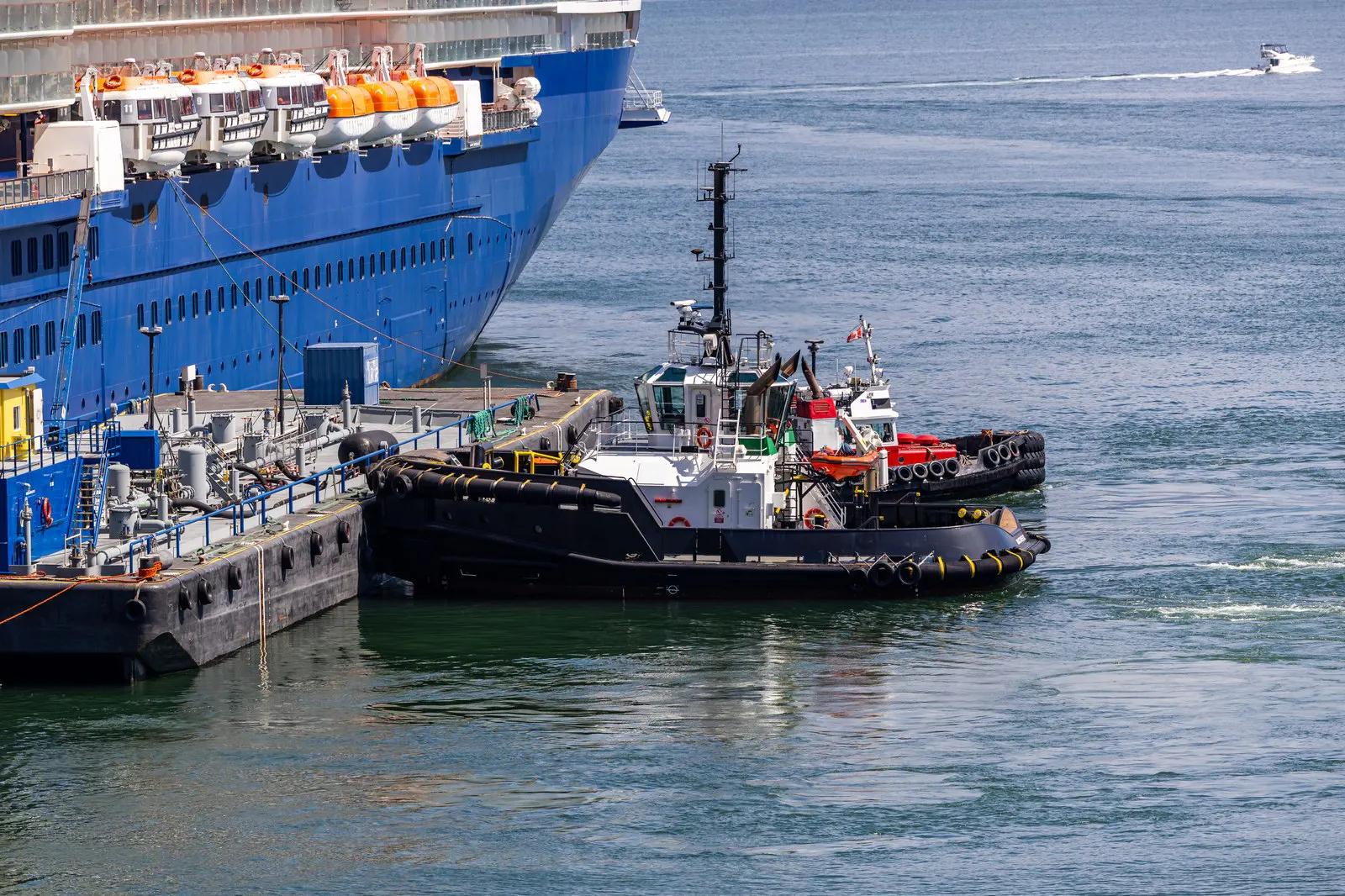
Svitzer is renewing and expanding its Caribbean fleet with three new escort tugs due from 2027, following the delivery of what it describes as the most powerful harbour tug operating in the Dominican Republic. The Danish operator said the investment responds to new business in the energy sector and to expanding ports across a region where it works from four locations and seven ports.
The newbuildings will be escort class with around seventy tonnes of bollard pull and firefighting systems to the FiFi1 standard, adapted for supporting operations at a liquefied natural gas terminal. The company said the first of the three is estimated for delivery in early 2027, and framed the order as part of an ongoing investment programme in new assets and fleet renewal rather than a response to a single contract.
The vessel that prompted the announcement is larger again. The Svitzer Manzanillo offers eighty-six tonnes of bollard pull, making it the highest-capacity tug in the operator's Caribbean fleet. She measures 32 metres overall with a beam of 13 metres, a minimum draught of five metres and a gross tonnage of 497, and is driven by two high-speed four-stroke diesels turning a pair of stern azimuth thrusters. She was built to a Robert Allan RAstar 3200-SX design by Sanmar in Turkey and has been working at an LNG terminal in the Dominican Republic since arrival.
The managing director of the Dominican operation said the vessel reflects confidence in the continued growth of the country's maritime sector and a commitment to safety, operational excellence and service reliability. He described her as the largest and most capable tug in the country, said she would strengthen the company's ability to meet increasing customer demands, and characterised the wider programme as preparing for a growing country, evolving ports and clients demanding more capacity, safety and efficiency.
The pattern behind the investment is regional rather than company-specific. Caribbean LNG transhipment has grown as cargoes are broken down for distribution into markets too small to take a full-size carrier, and every terminal handling gas carriers requires escort and firefighting capability to a standard that general harbour towage does not provide. That has created demand for high-bollard-pull tonnage in ports which a decade ago needed nothing of the sort, and it is why an operator is committing to three newbuildings for a region rather than redeploying older units into it.