Stealth Maritime Lifts Korean Newbuilding Programme To Around 1.3 Billion Dollars
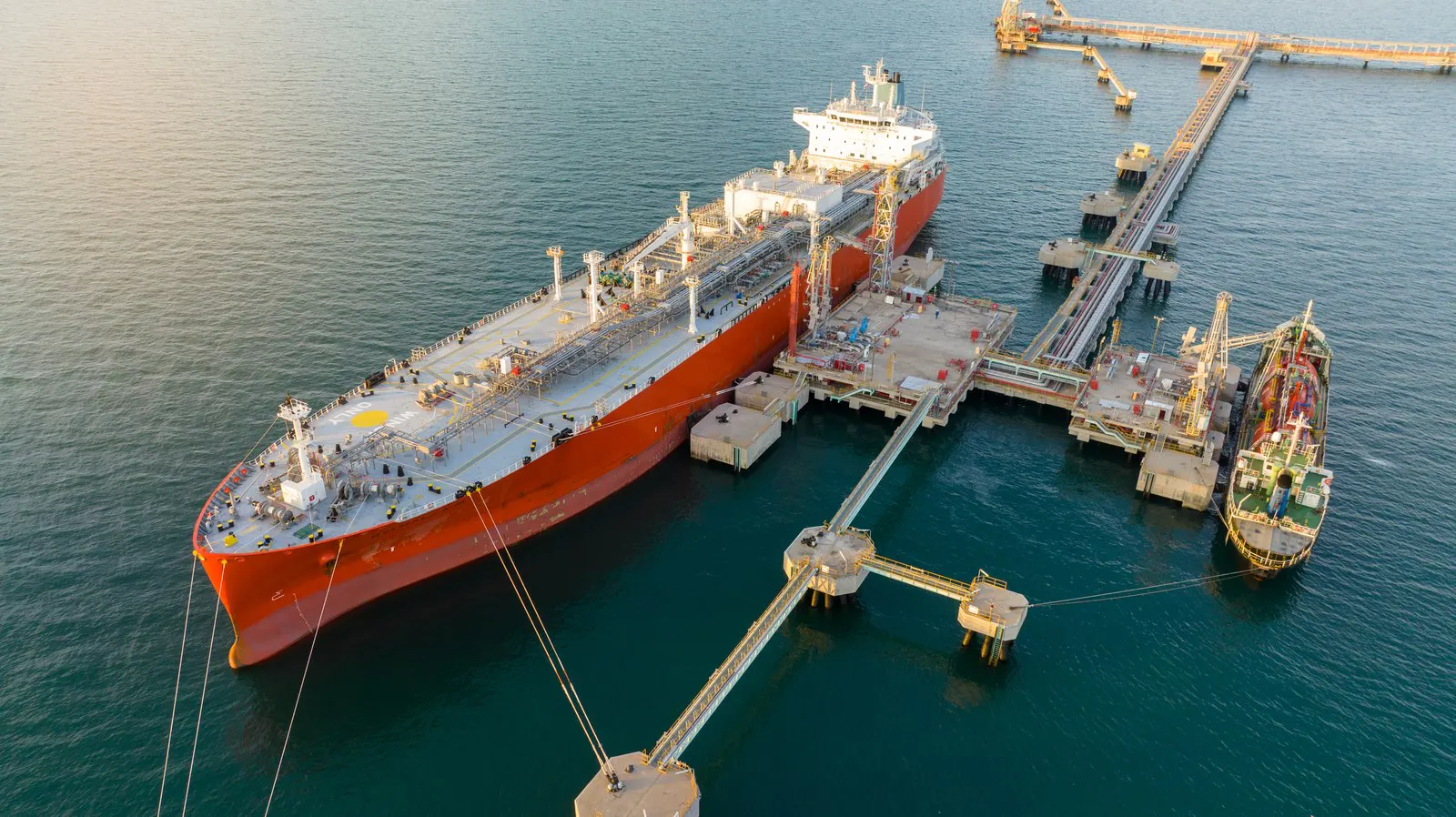
Greek owner Stealth Maritime, part of the Harry Vafias group, has returned to South Korea with a fresh order that takes its total investment in newbuilding projects to approximately 1.3 billion dollars. According to shipbroking sources the company has contracted two 50,000 deadweight tonne MR product tankers at HD Hyundai Heavy Industries, priced at 53 million dollars each for a combined 106 million dollars, with delivery scheduled for the first half of 2029. Neither the owner nor the shipyard has publicly announced the order.
The new contract sits inside a programme that has grown quickly. Data on the group's commitments indicates that Stealth currently has more than ten oil tankers under construction, all at South Korean yards, spanning MR and LR2 product tankers, Suezmaxes and very large crude carriers. Earlier this year the company placed orders for two LR2 product tankers and two Suezmaxes with HD Hyundai-affiliated shipyards, all scheduled for delivery by the first half of 2029, concentrating a substantial share of its future fleet into a narrow delivery window.
The most significant element is at the top of the size range. Stealth has ordered two 320,000 deadweight tonne VLCCs at Hanwha Ocean at approximately 133 million dollars each, with delivery expected in early 2030. Those vessels mark the owner's return to the VLCC sector after an absence of around twenty years, and they represent a considerable change in the risk profile of a company that has built its reputation in smaller, more flexible tonnage.
The timing reflects a view of the crude market that a number of Greek owners have adopted this year. Rerouting around disrupted chokepoints has lengthened voyages and absorbed effective capacity, tightening a VLCC fleet that was already ageing, and delivery slots in 2029 and 2030 place these ships into a market where a substantial share of existing tonnage will be past the age at which many charterers stop fixing. The price paid is high by historical standards but consistent with what South Korean yards have been able to command as their orderbooks have filled.
Stealth Maritime currently manages 46 vessels, made up of 17 oil tankers and 29 LPG carriers. The gas fleet has been the group's distinguishing feature for years, and the scale of the current tanker programme suggests a deliberate rebalancing rather than an opportunistic add-on. Whether the bet works will depend less on where rates sit at delivery than on whether the structural lengthening of tanker voyages seen over the past two years proves permanent.