Bunker Tanker Drifts From Its Tugs and Wedges Against a Johor Road Bridge
Additional tugs worked with the tide to free the 5,643 dwt SMF Ixora, and the highway stayed open
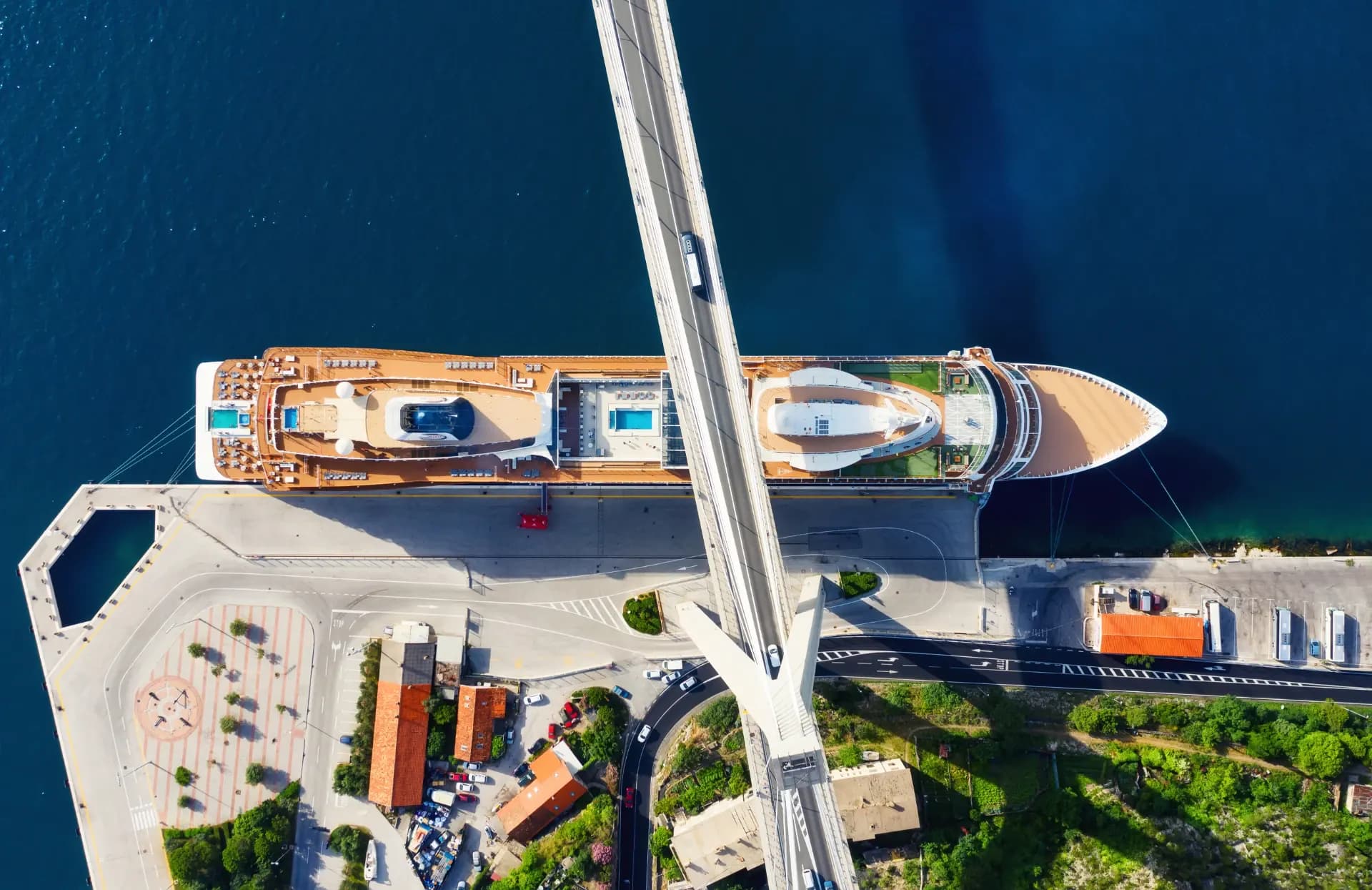
A small Malaysian product tanker went out of the control of the tugs relocating her on Wednesday 2 September and became wedged against a highway bridge on the Johor River, with authorities reporting only minor damage.
The Marine Department said the tanker SMF Ixora was being moved early on Wednesday afternoon at the Benzmark Marine Shipyard in Johor, Malaysia. The 5,643 dwt vessel is 100 metres long and is used for bunkering operations.
The tug escorting the vessel was reportedly unable to control its movement because of the strong current and limited towing capacity, the department said in a statement, and the tanker began to drift down the river. She came to rest alongside the 5,600-foot road crossing. Opened in 2011, the Sungai Johor Bridge is the longest central-span bridge in Malaysia and carries one of the country's major highways, and drivers crossing it watched the tanker come towards them.
Several additional tugs were called in, and working with the tide they freed the ship and returned her to the shipyard's anchorage. Damage to the tanker was limited to the exhaust system, railings and navigation equipment. The bridge sustained minor damage and the roadway remained open.
The mismatch that produced the incident is a familiar one in shipyard and river work. A shift within a yard is a short, low-value movement that rarely attracts the tug power assigned to a full harbour transit, and the towing capacity that suffices in slack water can be well short of what a spring ebb demands on a vessel with high windage and little under-keel margin. The department's own account puts current and towing capacity together as the cause.
The outcome was benign by the standards of the category. A bunkering tanker carries product in service, but the loss of control here ended against a heavy concrete structure rather than in an obstruction of the fairway or a hull breach, and the ship was recovered on the next tide rather than left aground. Bridge strikes involving commercial vessels have been a recurring concern for infrastructure owners, and the difference between a scraped railing and a collapsed span is usually a matter of the vessel's mass and the angle of approach rather than of any control exercised at the time.