VLCC ST3 hit off Al Jubail as UKMTO says ships stop reporting Gulf attacks
Twelve attacks in a week, 217 ships at anchor off Fujairah and Khor Fakkan, and the Arabian Gulf threat level raised
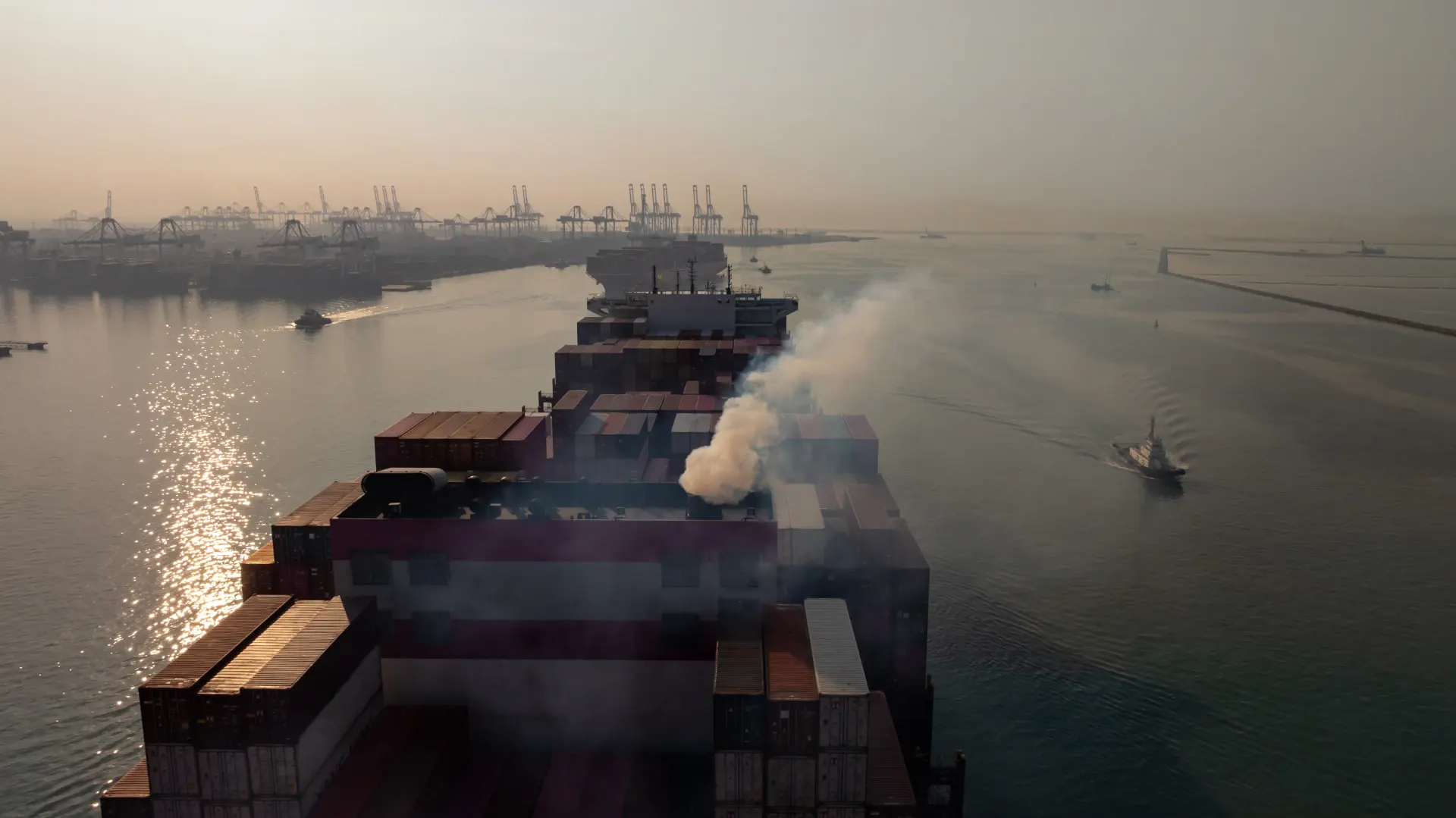
The Marshall Islands-flagged VLCC ST3, of 302,977 dwt, was struck by an unidentified projectile on 16 October about 68 nm north-east of Al Jubail in Saudi Arabia. The hit started a fire in the engine room and the ship lost power. All 15 crew, Indian nationals, were evacuated safely to a nearby UAE-flagged containership.
India's shipping minister, Sarbananda Sonowal, said that all 24 Indian seafarers aboard ST3 and the chemical tanker Yara J, hit by a drone at the Sulina anchorage in Romania two days earlier, were safe. "We are continuously monitoring both situations and remain in close contact with the ship management companies," he said.
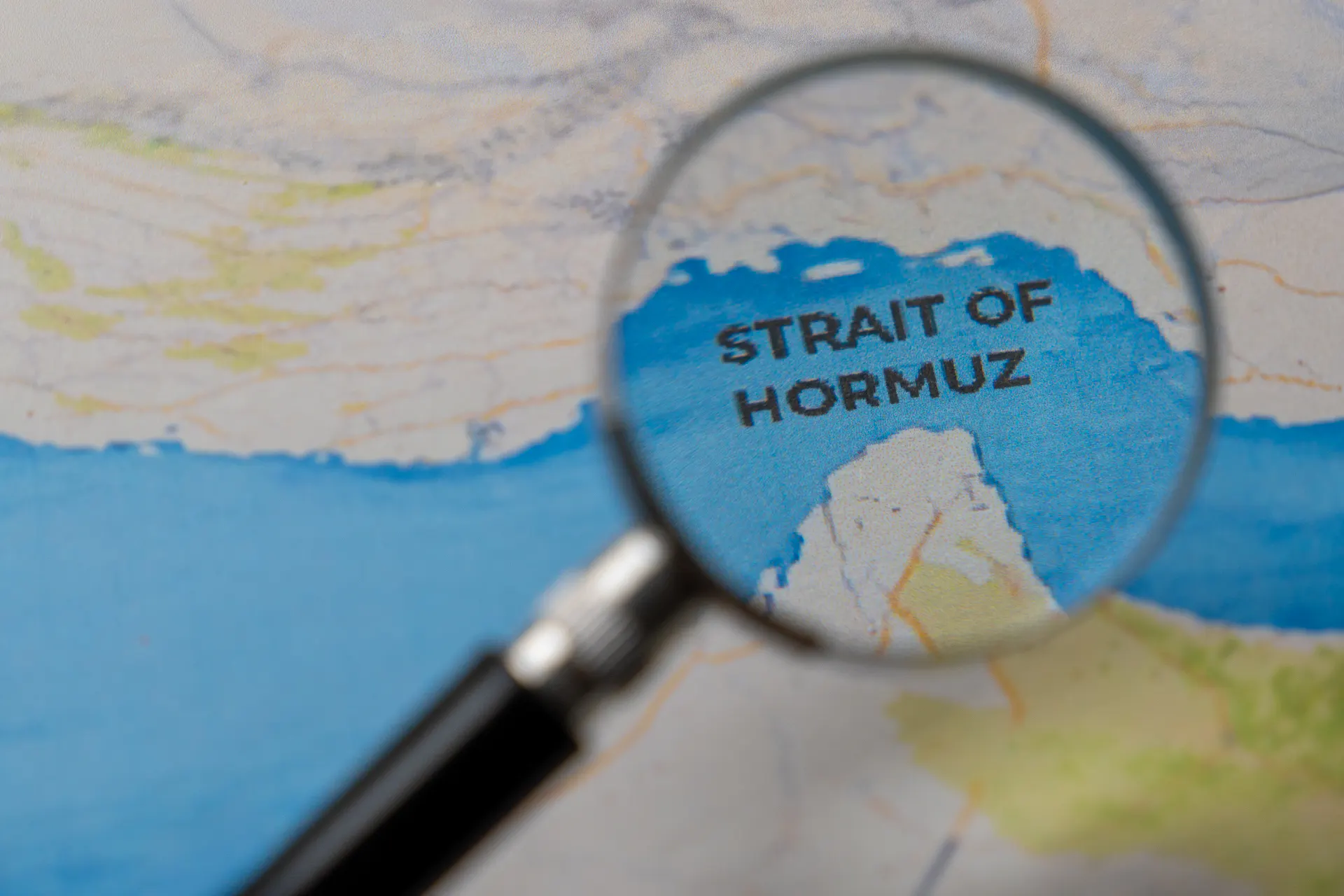
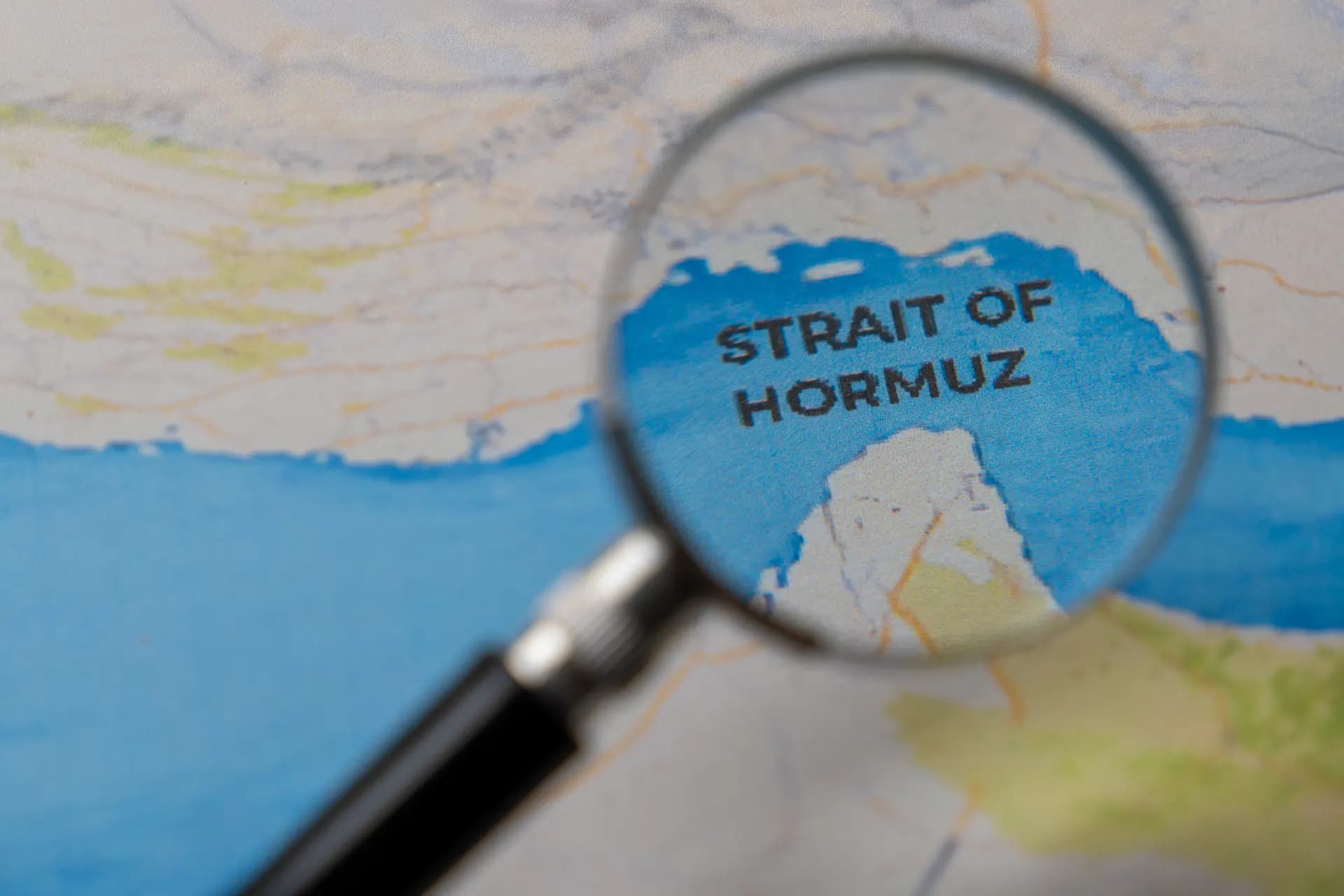
Later the same day a second tanker, which has not been named, was hit by a rocket-propelled grenade fired from a small boat about 78 nm north-east of Al Jubail. The aft port quarter was damaged and the crew were unharmed. After the two attacks the Joint Maritime Information Center raised the threat level for the Arabian Gulf to substantial. The Strait of Hormuz stays at severe.
What else happened over the weekend?
On 17 October Iran's IRGC said two fully laden supertankers, each carrying more than 2 million barrels of crude, had struck naval mines while transiting Hormuz "without Iranian authorisation". Neither ship has been identified, and JMIC said there was "no substantiation" for the claim. On 18 October a southbound tug about 20 nm north-east of Khor Fakkan, off the Musandam Peninsula, was hit by two projectiles; one crew member suffered minor injuries and the tug continued its voyage. The security firm Vanguard Tech identified her as the Dutch-flagged JIF Barracuda, formerly Smit Barracuda, last seen on AIS the day before off Ras Al Khaimah. In the Gulf of Aden, a skiff with seven people aboard approached an LNG carrier and fired two shots, and withdrew when the armed security team fired warning shots. That incident is being treated as suspected piracy.
Why are the numbers no longer complete?
In its weekly assessment, UKMTO said it was "struggling to accurately report true number of attacks" because most vessels that are targeted now refuse to report to it. It knows of further attacks from other sources but cannot include them without verification. Since hostilities began on 28 February it has recorded 135 incidents linked to the conflict, including 114 reports of damage to ships and 76 people killed or injured. The latest week brought 12 attacks: 10 in Hormuz, one in the Arabian Gulf and one in the Gulf of Oman, with one ship lost, two disabled and three outcomes unconfirmed.
Traffic has kept moving at a reduced rate. UKMTO counted 254 transits in a week, about 70% below pre-war levels, and JMIC reported some 217 vessels waiting at anchor off Fujairah and Khor Fakkan on 18 October. Signal Ocean puts the flow through the strait at about 13.9 million b/d of crude and 2.3 million b/d of products, much of it moved under a shuttle system. The Scandinavian bank SEB called the situation "more a risk-premium story than a volume blockage".
IMO Secretary-General Arsenio Dominguez has said the shuttle transits should stop until safety can be assured. "It's the irresponsible shipowners that are taking the risk in order to trade," he said. "It is not safe, the negotiations need to take place, the guarantees need to be in place before any seafarers and any ships are put at risk."
This story is part of the Maritime Briefing of 21 October 2026.