GFS Pride sinks in the Strait of Hormuz as three more ships are hit and ST 3 is struck
All 21 crew of the Singapore-flagged feeder were evacuated; GFS Giselle reached anchorage and Cape Dao is reported sinking
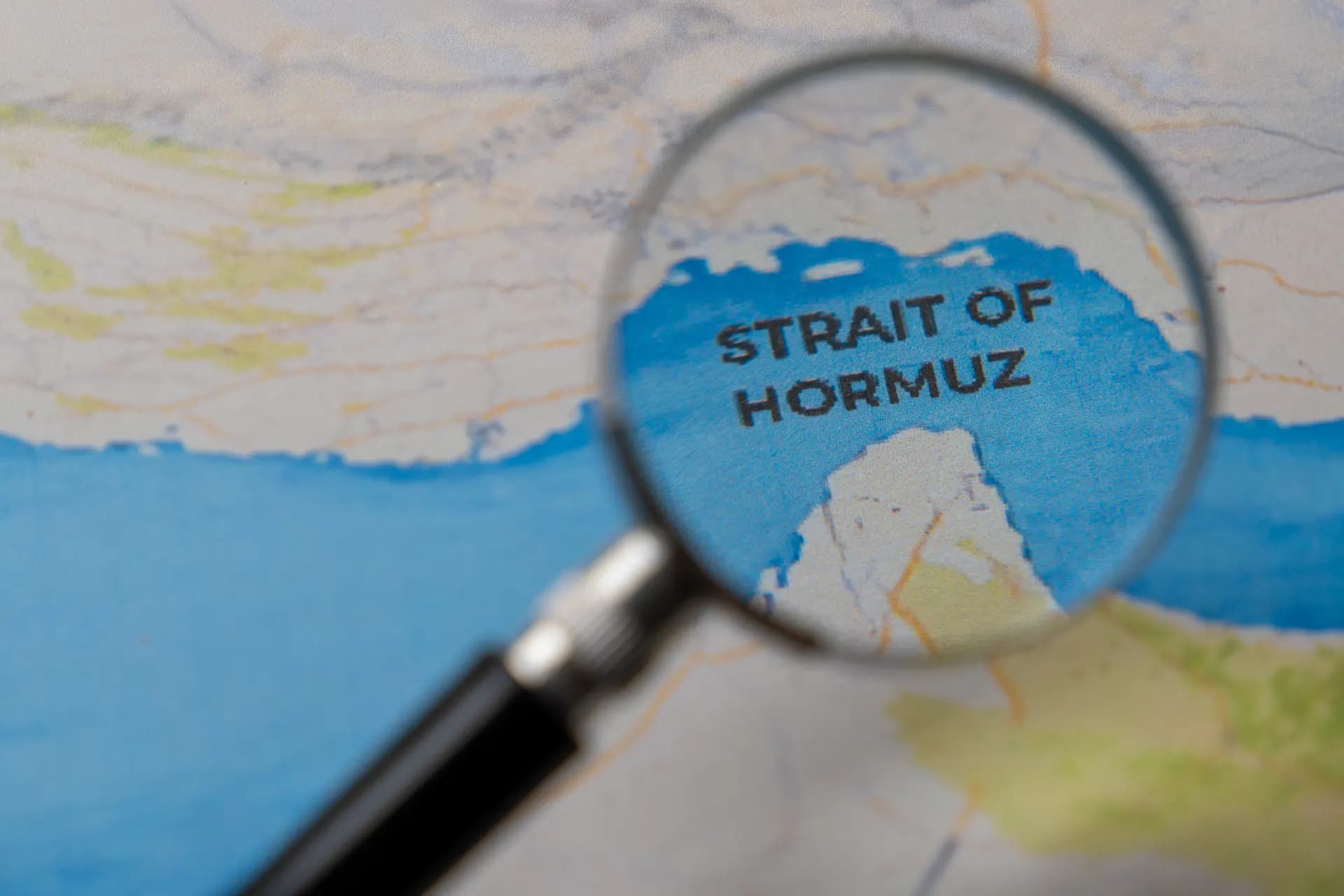
The Singapore-flagged container feeder GFS Pride has sunk in the Strait of Hormuz after being struck on 13 October, one of four merchant ships hit in the strait that day. Singapore's Maritime and Port Authority confirmed the sinking and said all 21 crew members had been evacuated safely, calling the attacks "unprovoked, unjustifiable, and a breach of international law".
The 2008-built ship, of 39,446 dwt and 2,824 TEU, caught fire after the strike. She is operated by Dubai-based Global Feeder Shipping, part of Abu Dhabi's AD Ports Group. A sister ship from the same fleet, the 2015-built GFS Giselle of 54,117 dwt and 4,370 TEU, was hit on her inbound transit but reached a safe anchorage with all 22 crew unharmed. Both ships had last shown a position at the Fujairah anchorage nearly two weeks earlier.
Which other ships were hit on 13 October?
UKMTO issued four warnings that day, for strikes on a tanker and three container ships, each by an unknown projectile. The third container ship was the Marshall Islands-flagged Al Saadiyat, 23,500 dwt and 1,730 TEU, operated by Safeen Feeders, also part of AD Ports Group; she was struck on an outbound transit and reported no significant damage or casualties. The tanker was the Barbados-flagged, Dubai-managed product tanker Alfonso, 38,842 dwt, whose status remains unclear. The four attacks took UKMTO's tally for October to 24 warnings and three advisories.
The IRGC Navy released images on 14 October and said a ship carrying 2,500 containers had struck a mine on an "unauthorised and dangerous" route and sunk after a severe fire. The cause has not been independently confirmed. Alfonso is on the non-compliance list kept by Iran's Persian Gulf Strait Authority, under which ships face restrictions on future passages, fines, detention or confiscation; GFS Giselle and GFS Pride are not, but their fleetmate GFS Galaxy was among the first ships added. US Central Command disputed Iranian claims of control over the strait and said 19 million barrels of crude had passed through it the previous day.
What has happened since?
On 16 October the crude tanker ST 3 was struck by a projectile in the strait. India's ports and shipping minister Sarbananda Sonowal said all 15 Indian crew on board were safe and uninjured. Earlier in October the tanker On Peace, owned by Dubai-based Onex, was hit by a projectile with 12 crew injured, 11 of them Indian.
The capesize bulker Cape Dao, 170,000 dwt, registered in Antigua and Barbuda and managed from the UAE, is reported to be sinking after an unsuccessful salvage attempt. She was struck on 23 September about 15 nautical miles north-east of Khasab, in an attack that killed one seafarer.
Owners are also pulling back from the approaches. At least ten VLCCs and several suezmaxes heading for Fujairah have stopped or reversed course in recent days. Fujairah and Omani waters outside the strait are where large crude carriers wait to load by ship-to-ship transfer from shuttle tankers that make the run through Hormuz, the arrangement that had brought Gulf oil exports back to near pre-war levels.
This story is part of the Maritime Briefing of 18 October 2026.
Ships in this story