Seaspan Becomes First Foreign Shipowner To Tap China's Panda Bond Market
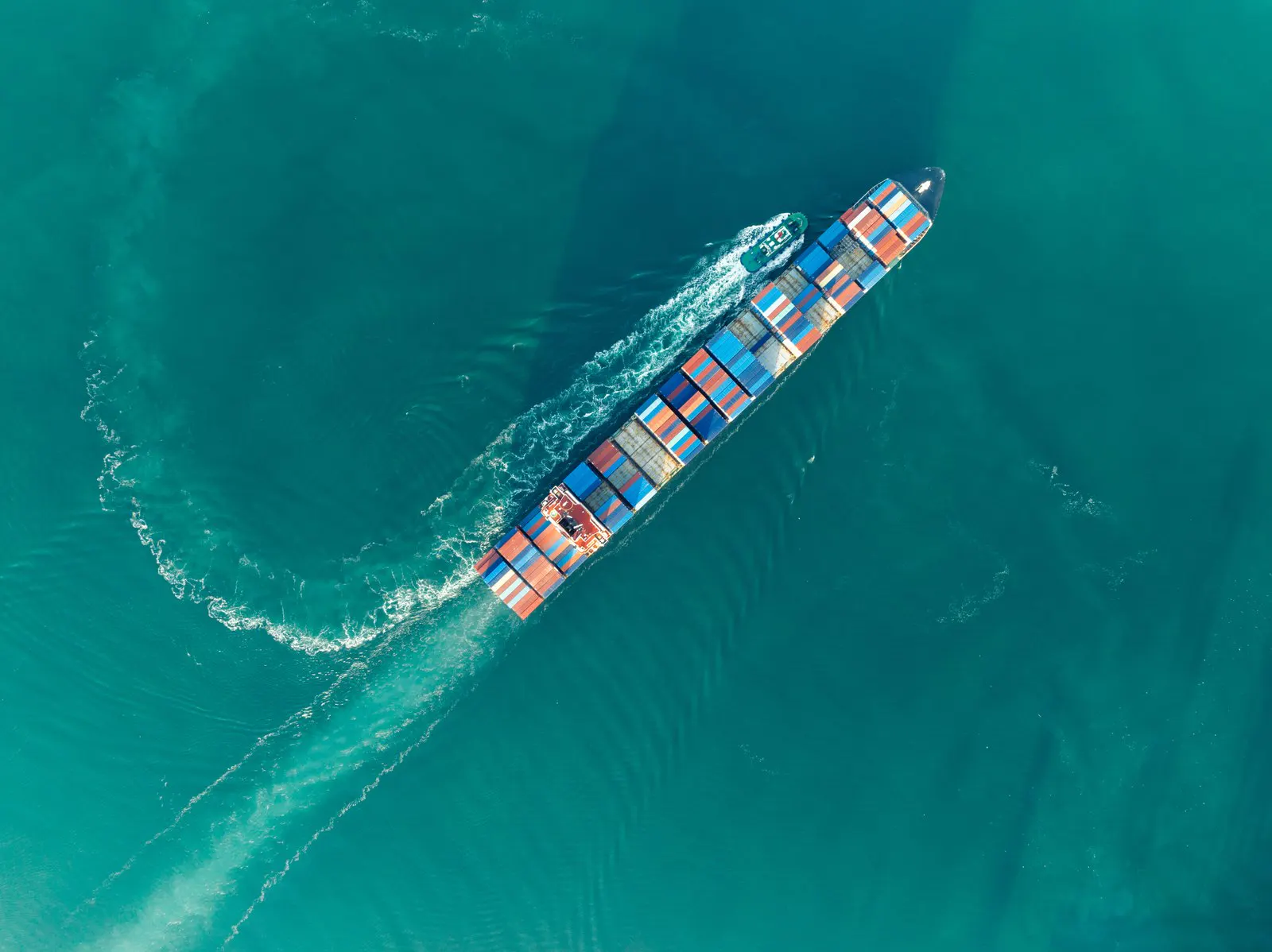
The container ship lessor Seaspan has issued a 1.5 billion renminbi bond in China's domestic debt market, becoming the first international shipowner and operator to access the instrument. The three-year private placement note was issued on 15 July with a coupon of 2.50 percent a year and was oversubscribed by onshore and international investors, with a book covered 2.3 times.
The pricing is the striking element. A three-year unsecured note at 2.50 percent is markedly cheaper than the terms a shipping company of comparable credit would obtain in dollars, and reflects a domestic Chinese rate environment rather than the risk premium that international lenders attach to the sector. Shipping has spent a decade adjusting to European banks withdrawing from the market and to the higher cost of the leasing and bond capital that replaced them, and a funding channel priced off Chinese government rates changes the arithmetic for any owner able to reach it.
The company's chief financial officer said the issuance demonstrated investor confidence in its credit quality, business model and growth strategy, and that expanding access to China's domestic capital markets diversifies funding sources and improves access to cost-efficient capital. That framing understates the structural point. This is not simply another lender; it is a currency, an investor base and a regulatory regime that shipping has not previously borrowed in.
The precedent matters more than the amount. A bond of this size is modest against the company's overall capital requirements, and the transaction reads as a proof of concept rather than a funding solution. Its value lies in establishing that a foreign shipowner can complete the approval process, satisfy Chinese disclosure requirements and clear a book at competitive pricing, all of which are now demonstrated rather than theoretical for whoever follows.
The strategic logic is that the company already sits deep inside the Chinese maritime economy. It has partnerships spanning chartering, shipbuilding, financing and maritime services, its ships are largely built in Chinese yards and much of its fleet is employed carrying Chinese trade. Borrowing in the currency in which a substantial part of the cost base is denominated is a natural hedge as much as a funding decision. The wider question is whether the channel stays open to foreign issuers if the relationship between Beijing and the countries where those issuers are listed deteriorates further, and no owner building a funding plan around it should assume that it will.