Cadeler Buys Foundation Installation Specialist Menck For 578 Million Dollars
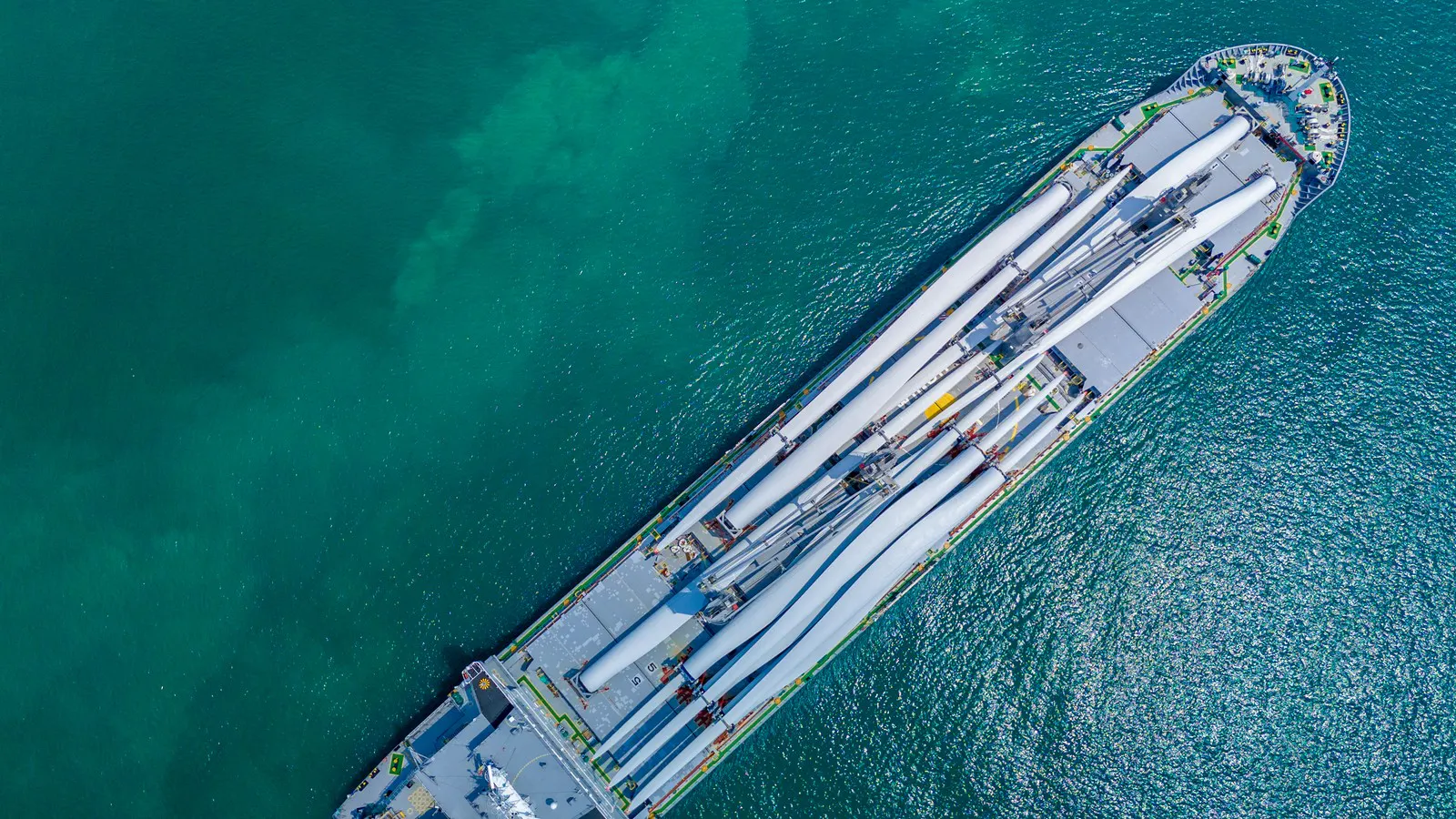
The offshore wind installation owner Cadeler has acquired the German foundation installation equipment specialist Menck at an agreed enterprise value of 501 million euros, around 578 million dollars, with signing and closing completed together. The company intends to run the business as a standalone operation, preserving its independent market position.
The acquisition moves the buyer along the value chain rather than expanding its fleet. Its business has been installation vessels, the jack-ups and cranes that carry foundations and turbines to site and put them in place. The target supplies the equipment that drives those foundations into the seabed, principally hydraulic hammers and associated technology. Owning both halves means the vessel and the driving equipment come from the same organisation, which removes an interface where scheduling and liability disputes commonly arise.
Preserving the target as a standalone business is the necessary condition for the deal to work. The equipment is supplied to installation contractors across the sector, including the buyer's direct competitors, and those customers will not continue buying from a subsidiary of a rival that has visibility of their project plans. Structural separation is the standard answer to that problem and it is imperfect: it depends on the parent's restraint, and the customers know it.
The timing sits awkwardly against the demand picture. The buyer ordered two further installation vessels in a 930 million dollar contract at the start of August, and is now adding half a billion euros of equipment capability, at a point when the American offshore wind market has effectively closed through a programme of lease buybacks approaching four billion dollars. Roughly seven gigawatts of American capacity has been cancelled in a single recent settlement, and that is installation vessel days and foundation hammering that will not now be required.
The counter-argument rests on Europe and Asia. European auction volumes have recovered where governments have adjusted their terms, and floating wind programmes are being funded through port infrastructure investment on both European coasts. Whether that is enough to absorb a supply chain that expanded partly in anticipation of Atlantic seaboard demand is the question every contractor in the sector is now facing. A buyer committing this much capital in a fortnight has answered it in one direction, and is now exposed to being wrong in a way that a contractor renting equipment by the project would not be.