Japan Commits Public And Private Funds To Shipbuilding Revival
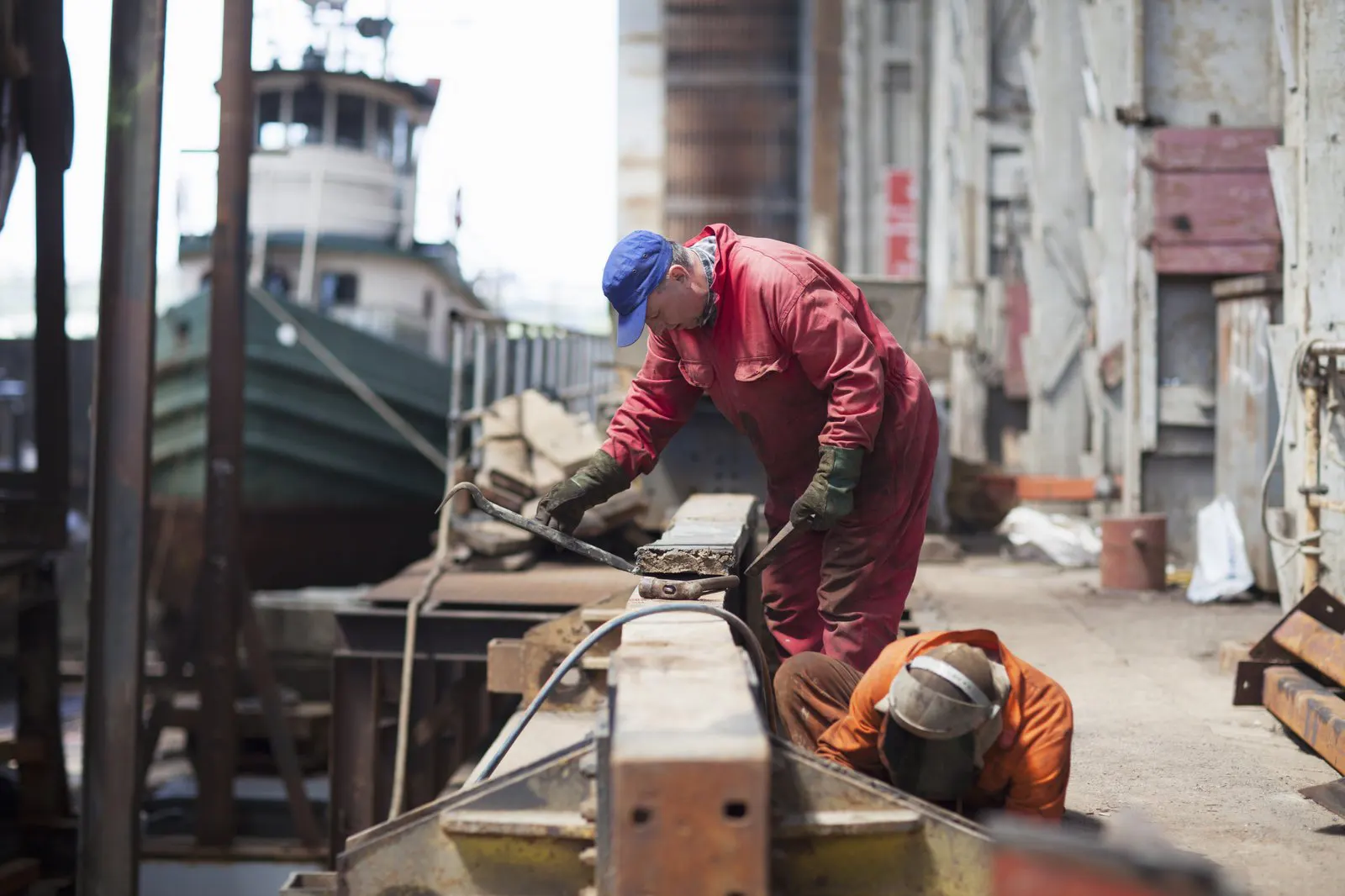
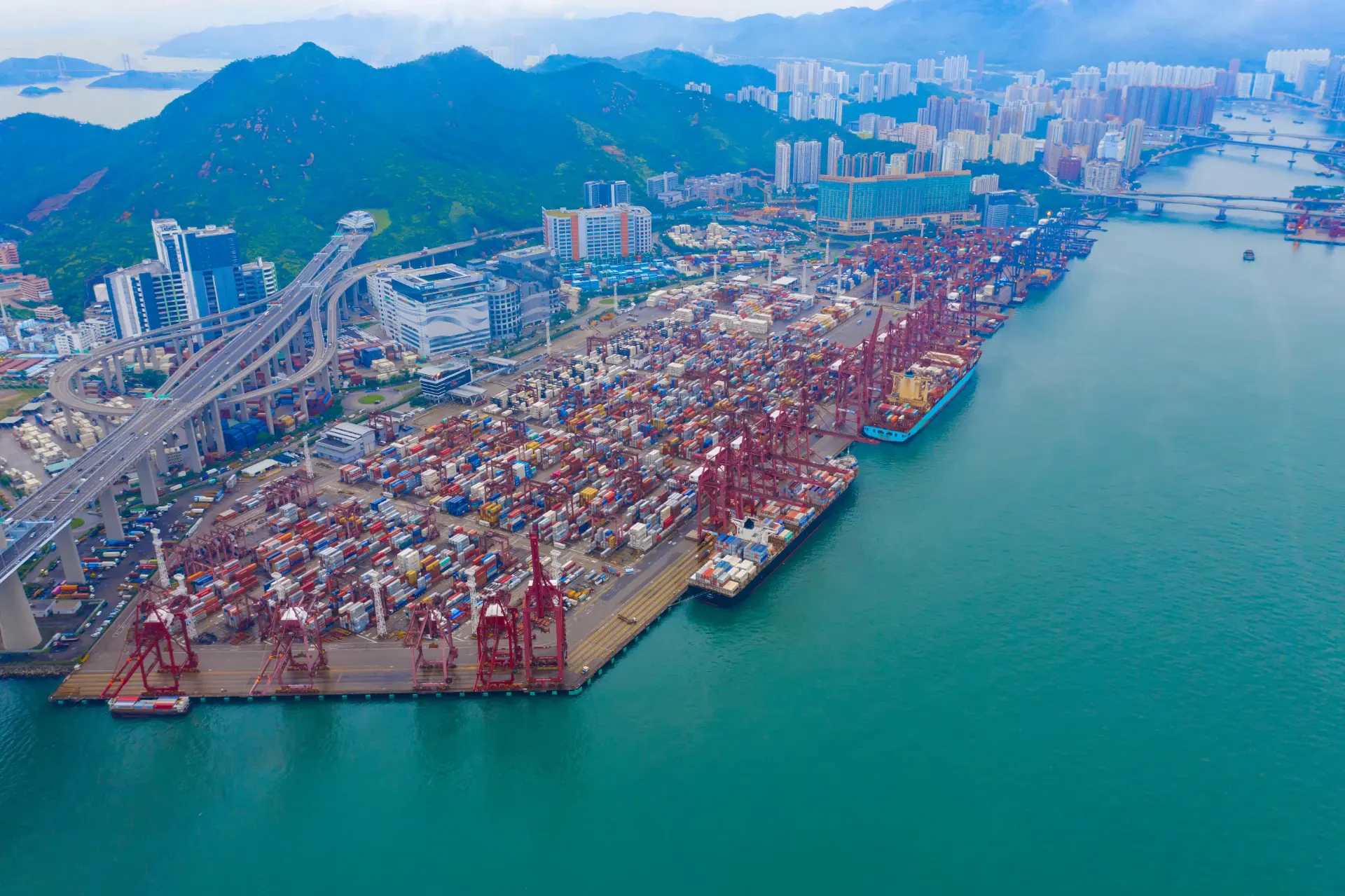
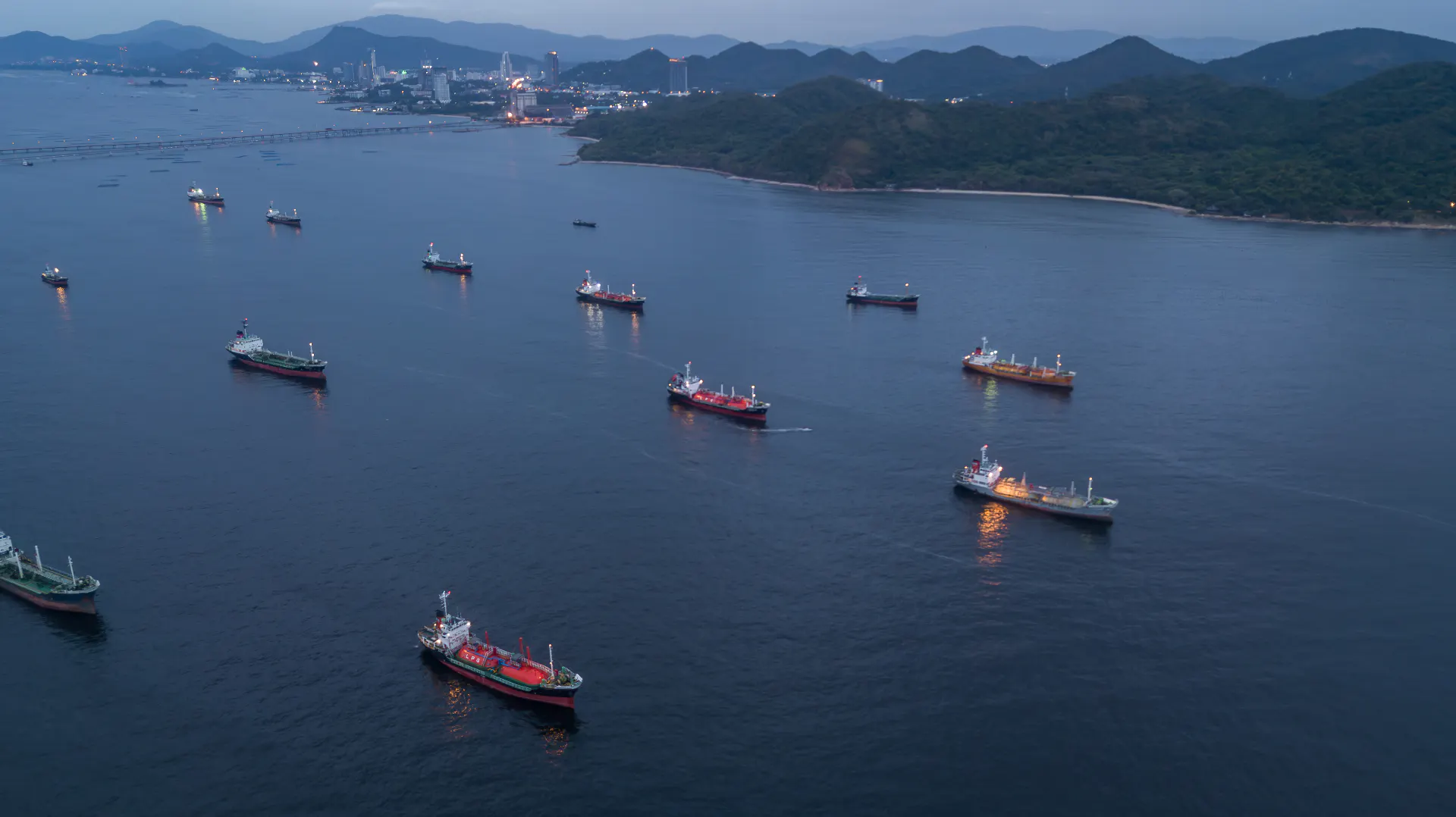
Japan's government and shipping industry are stepping up joint efforts to revive a shipbuilding sector that has fallen from nearly 40 percent of the global market in the 1990s to below 10 percent in 2024, under a road map that targets doubling output by 2035 from the 2024 level and calls for a trillion yen of combined public and private investment.
The immediate mismatch is domestic. Orders from Japanese shipowners stand at around 12 million gross tons on a completion-year basis, while domestic building capacity is only about 10 million gross tons. A national fleet that cannot be built at home is the clearest possible argument for intervention, and it explains why owners and builders are participating in a programme that would otherwise look like industrial nostalgia.
The transport ministry has allocated 120 billion yen in a supplementary budget to establish a fund subsidising production facility upgrades, automation investment and research, with public and private investment financed partly through green transition bonds. Investment targets include bulk carriers, tankers, container ships, vehicle carriers where Japan retains a competitive position, and liquefied carbon dioxide carriers as an anticipated new market. A shipping group and other companies aim to complete the world's first ammonia-fuelled medium gas carrier for international service in November.
The cost problem is structural rather than a matter of effort. A researcher at a transport institute identified rising steel prices and labour shortages as the principal challenges, noting that Japanese shipbuilding costs run around 20 percent above Chinese levels, driven mainly by steel, which accounts for roughly 30 percent of total cost. Subsidy can close part of a 20 percent gap; automation and productivity may close more; neither addresses a shrinking working-age population.
The industry has organised itself accordingly. Shipbuilders, shipping companies, marine equipment makers and steel producers have formed a high-level council that first met in March. The chairman of the shipbuilders' association, who also heads the country's largest builder, said the sector could not survive competition with other countries without an all-Japan effort, and the head of the shipowners' association described reinforcing shipbuilding as a core element of strengthening the whole maritime industry. Whether that coordination changes the outcome is an open question. Korea has run comparable programmes for two decades and holds its position by specialising rather than by matching Chinese volume, and the segments Japan has identified suggest it intends the same approach rather than a return to market share.