Container schedule reliability falls to 56.4% in July, the lowest of 2026
Average delay for late arrivals rose to 6.06 days, the highest since January 2024
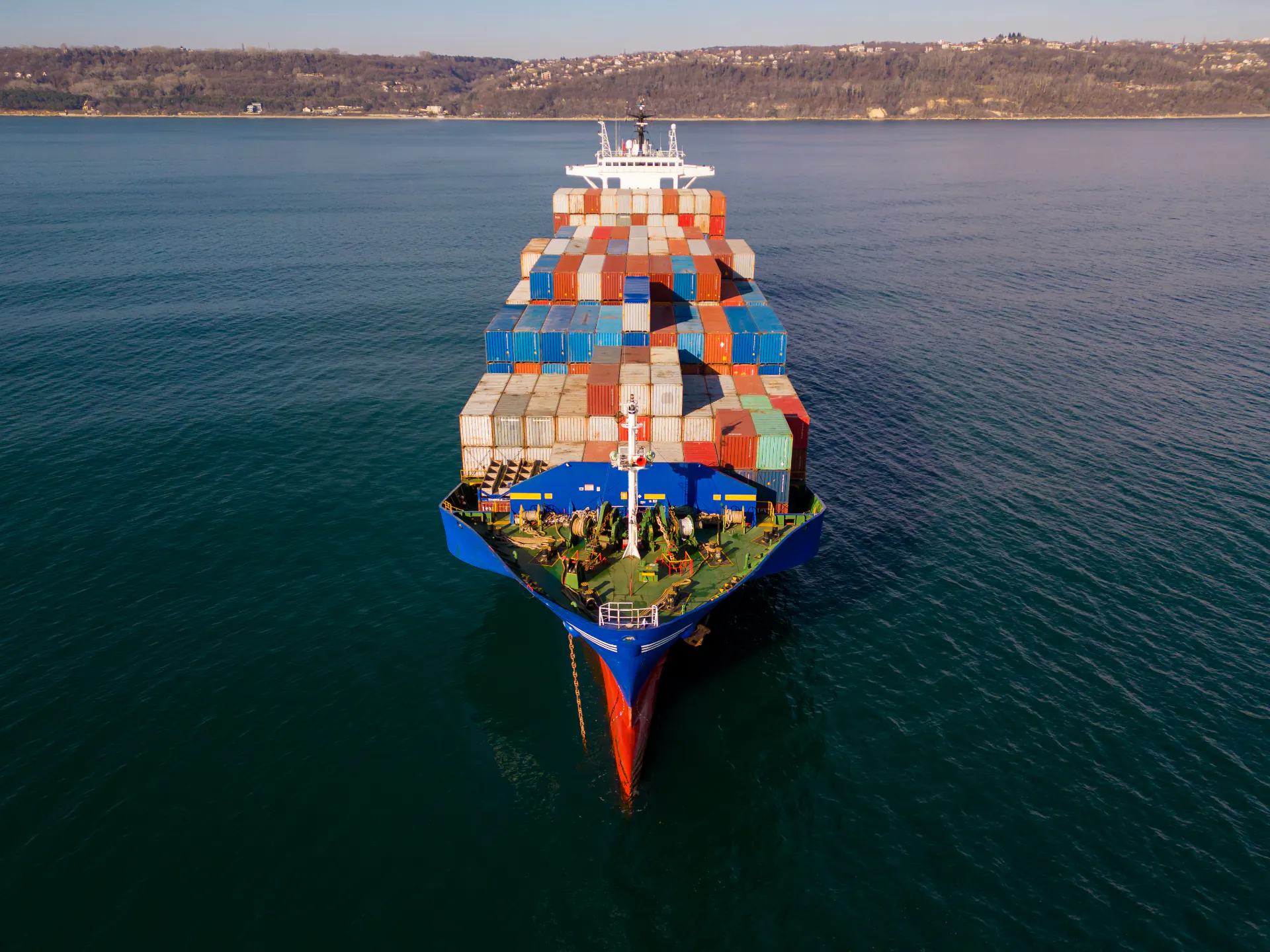
Container schedule reliability fell sharply in July 2026, dropping 6.1 percentage points month-on-month to 56.4%, Sea-Intelligence figures for the month show.
That is the lowest level recorded in 2026 and the lowest since February 2025. Measured year-on-year, reliability fell by 8.8 percentage points. The average delay for late vessel arrivals also deteriorated, rising by 0.59 days month-on-month to 6.06 days. That figure is the highest recorded in 2026 and the highest since January 2024, and stands 1.34 days above July 2025.
The two measures moving together is what makes the month unusual. Reliability alone describes how many ships miss their published arrival window; the delay figure describes how badly the ones that miss it are running. When both worsen at once, the schedule is not absorbing disruption anywhere in the network, and the buffer that carriers normally build into a rotation has already been spent.
Maersk was the most reliable of the top thirteen carriers in July at 73.7%, followed by Hapag-Lloyd at 69.3%. Maersk was the only carrier above 70%, and Hapag-Lloyd the only one in the 60% to 70% band. Five of the remaining carriers recorded reliability between 50% and 60%. Wan Hai was the least reliable at 29.8%.
None of the thirteen carriers recorded a month-on-month improvement, with MSC posting the largest decline at 11.9 percentage points. The year-on-year picture is the same: no carrier in the group improved, and Wan Hai posted the largest decline at 24.4 percentage points.
A spread running from 73.7% to 29.8% within the same peak-season market means the pressure is not falling evenly. Network design, string length and port rotation choices are producing materially different outcomes for ships trading the same lanes in the same weeks.