QatarEnergy Sends an LNG Carrier Through Hormuz With Its AIS Switched On
The Al Marrouna is the first QatarEnergy-controlled gas carrier to transit openly in nearly six weeks

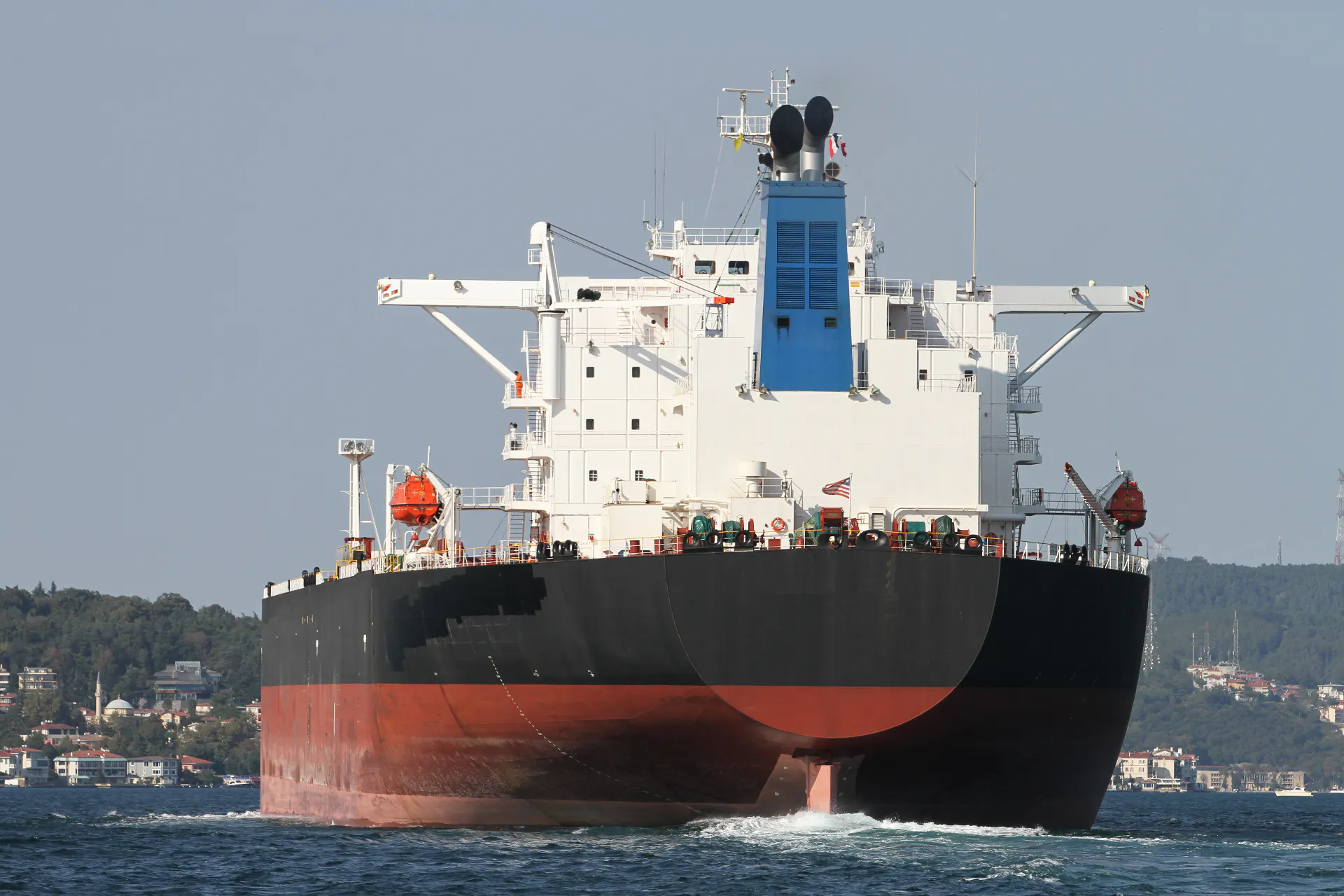
QatarEnergy has sent an LNG carrier openly through the Strait of Hormuz for the first time in nearly six weeks. The QatarEnergy-controlled Al Marrouna made the passage with AIS transmitting rather than using the dark-mode navigation adopted by much of the commercial traffic in the strait in recent weeks.
The 2006-built LNG carrier is bound for Pakistan's Port Qasim, where she is due on 10 September. Tracking placed the ship leaving the Gulf of Oman on an easterly heading.
The choice of destination gives the voyage a diplomatic edge. Pakistan has been mediating between Iran and the United States, which raises the possibility that a visible state-linked transit is an early test of arrangements intended to give selected commercial vessels safer passage through the strait.
Talks on a formal corridor appear to be advancing. Iran's foreign ministry said on Monday that negotiations with Oman over a temporary safe-passage route were in their final stages, with the route potentially registered with the International Maritime Organization within days. Such a mechanism would give owners a defined lane and a recognised procedure in place of the ad hoc, transponder-off practice that has taken hold since the summer.
Analysts at SEB described the developments as constructive but warned against reading too much into a single voyage. The open transit and the Iran-Oman route talks point towards normalisation, the bank noted, while stressing that the security picture remains "volatile and two-directional".
That caution was underlined over the weekend, when US forces struck three Iranian tankers even as work on a more formalised shipping corridor continued. For gas shippers the stakes are direct: QatarEnergy has extended force majeure on LNG deliveries into November, and a single transponder-on transit does not by itself restore contractual certainty.
What the Al Marrouna's passage does establish is that a state-linked owner is prepared to be seen making the crossing, at a point when most of the traffic through the strait has preferred not to be.
This story is part of the Maritime Briefing of 9 September 2026.
Ships in this story