QatarEnergy Extends LNG Force Majeure Into November as Hormuz Stays Shut
Qatar shipped 18 cargoes in the first six months of the war against 509 in the same period a year earlier
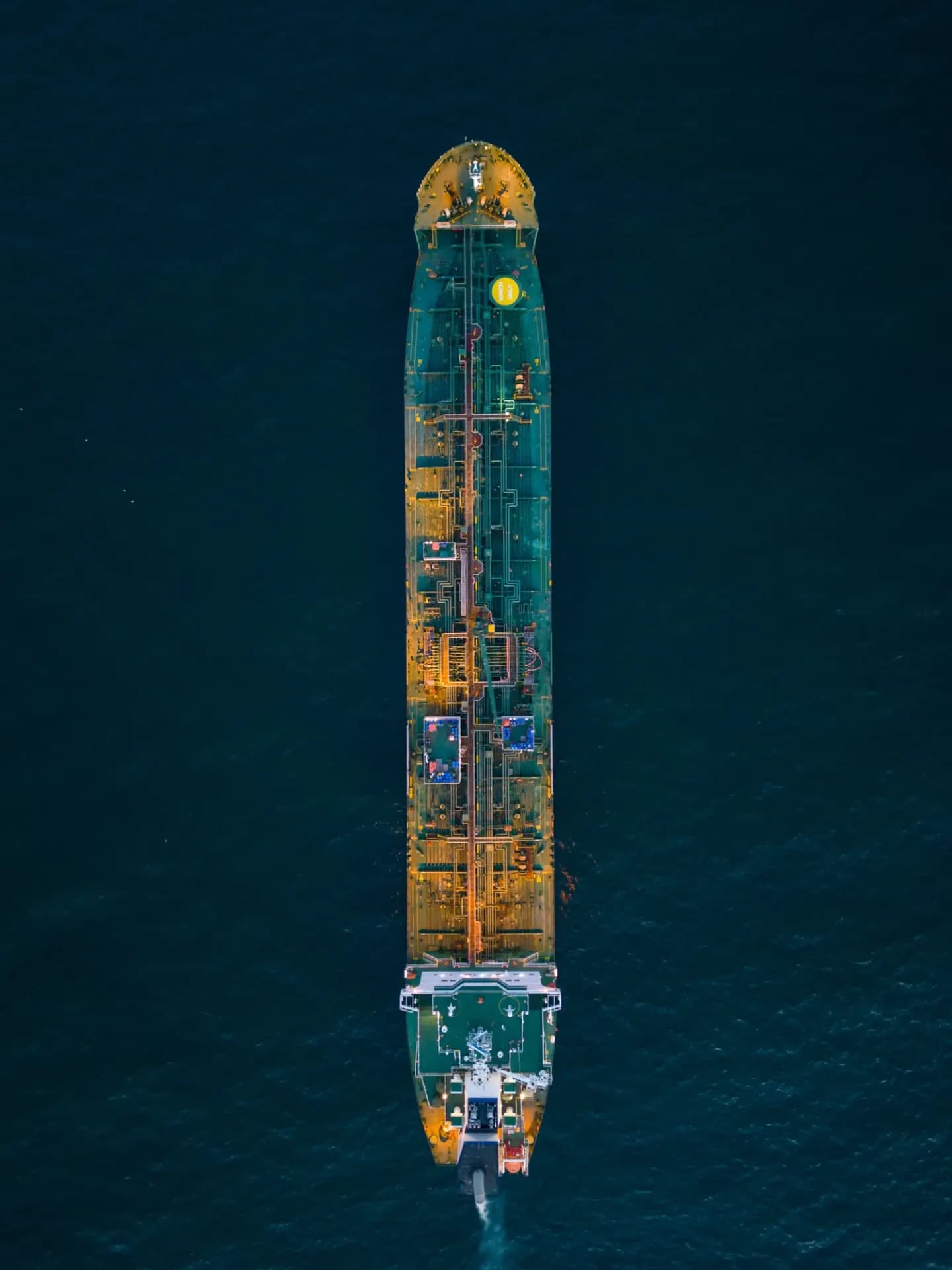
QatarEnergy has extended force majeure on liquefied natural gas deliveries to customers in Europe and Asia into early November, with regular LNG shipping through the Strait of Hormuz still largely halted.
The Italian utility Edison said QatarEnergy would be unable to deliver a further five cargoes scheduled between late September and early November. That takes the number of cargoes cancelled under Edison's contract since April to 29, equivalent to about 3.8 billion cubic metres of gas. Edison said it had already replaced 21 of them, around 2 billion cubic metres, and could continue to meet its own commitments. Buyers in Pakistan have been told cancellations continue into October, supplies to Bangladesh remain affected beyond September, and other European buyers have begun receiving similar notices.
QatarEnergy first declared force majeure in March and has renewed it month by month, because it still has no reliable date for a return to normal exports. Anne-Sophie Corbeau, a global research scholar at Columbia University's Center on Global Energy Policy, said that absent a political resolution or one of the main stakeholders blinking first, the situation is likely to persist for some time.
The scale of the withdrawal is visible in the cargo count. Qatar exported 18 cargoes during the first six months of the war, against 509 over the same period a year earlier, a fall estimated to have cost around $24bn in lost gas sales. The Strait carried roughly one-fifth of global LNG trade before the conflict. Some oil tankers have continued to use it, but LNG carriers are scarcer, more specialised and harder to substitute, which leaves Qatar with few practical alternatives.
Other exporters have taken part of the volume. Corbeau said more gas had come from the United States and Canada, including from plants that started up in the past year, with stronger output in Nigeria and Malaysia. The replacement has not been complete. Some Asian markets have cut consumption or switched fuels, while Europe has drawn on storage rather than bidding aggressively for expensive spot cargoes, leaving stocks lower than usual for the time of year. EU LNG imports were below year-earlier levels between April and August, and Chinese imports also fell.
The exposure is uneven. Corbeau identified Pakistan, Bangladesh and India as particularly vulnerable, being heavily dependent on Qatari or Emirati supply and short of replacement cargoes, with buyers reliant on short-term purchases the most exposed of all. Japan is better protected, buying relatively little from Qatar and holding a wider spread of long-term contracts linked to oil or US gas prices.
Reopening the Strait would only be the first step. Corbeau said QatarEnergy expects to restore output from its 12 undamaged liquefaction units within about two months once it is satisfied the waterway is secure, while repairs to two units damaged in attacks on Ras Laffan could take three to five years. A brief restart after a June memorandum between Washington and Tehran showed exports can resume quickly, but it did not survive renewed attacks. New export capacity under construction in the United States, Canada, Australia and Nigeria adds non-Qatari supply only gradually, and the market may not return to a comfortable balance until 2028.