Oakland Signs for a $640m Turning Basin Widening to Take Longer Ships
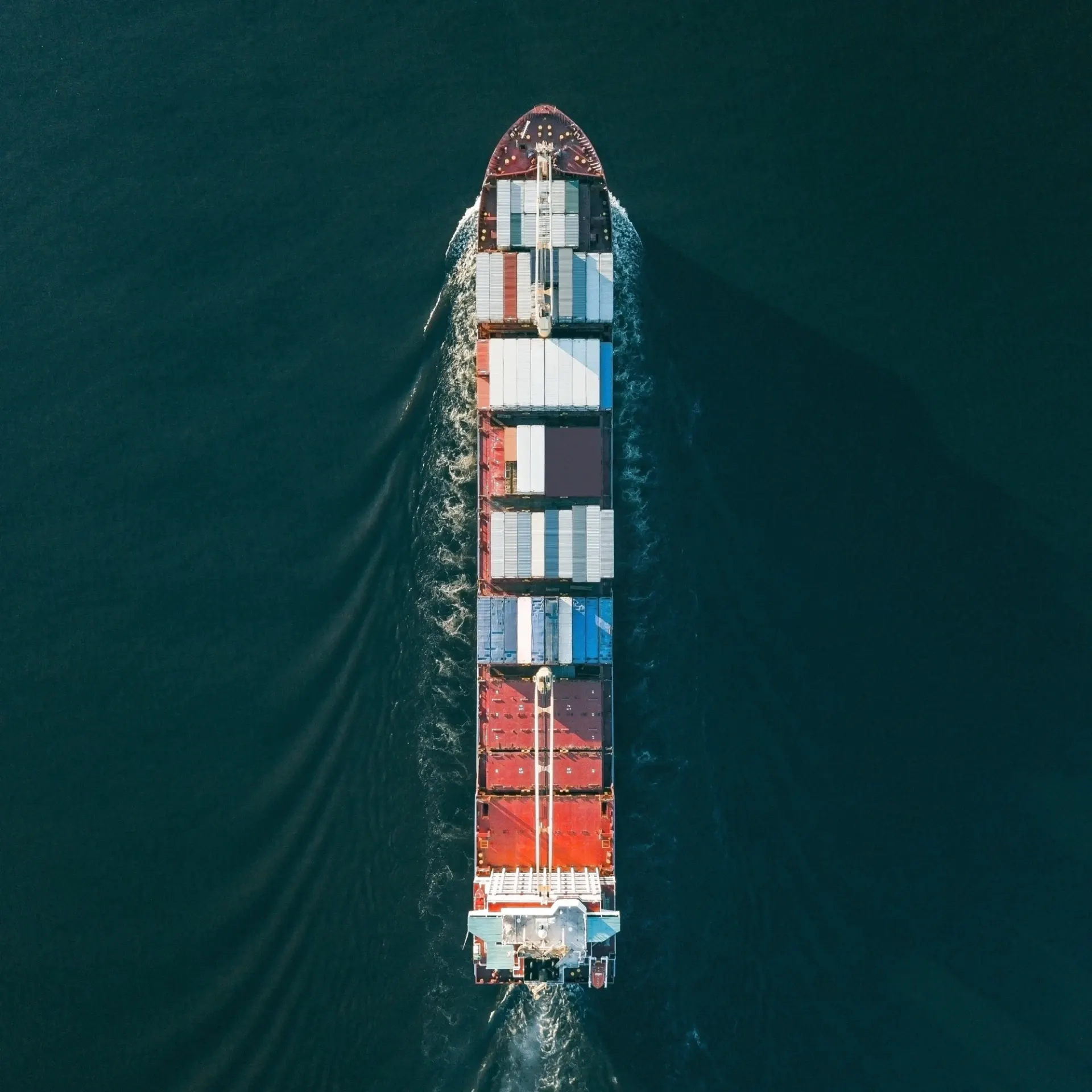
The estuary is 1,500 feet at its widest and the newest box ships run to 1,300 feet
The Port of Oakland has completed an agreement with the US Army Corps of Engineers to widen and modernise its turning basins, in a project designed to let the port keep handling the largest container ships now calling on the US West Coast.
The agreement, signed on 27 August after years of planning, covers designs for expanding both the inner and outer harbour turning basins and widening the estuary between Oakland and Alameda.
The constraint is straightforward geometry. At its widest point the estuary is approximately 1,500 feet, while the newest generations of container ships run up to 1,300 feet in length. That leaves as little as 150 feet of clearance on either side for the largest vessels. Once wind and current are factored in, the port may be limited to a single window in the day when a big ship can be safely turned, which is the sort of restriction that pushes a call to another port rather than merely delaying it.
The Oakland Harbor Turning Basins Widening Project began around 2020 and is now expected to be completed in 2030, with construction scheduled to start in 2028 at a projected cost of $640m. It involves dredging just under five acres of the north Alameda shoreline and will add approximately 344 feet to the width of the inner turning basin. The design agreement with the Army Corps follows an extensive environmental review process.
Port officials say the work is key to modernising infrastructure and keeping Oakland competitive for large cargo ships, and that once complete it will allow larger vessels to be manoeuvred several times a day while reducing disruption to ferry operations in San Francisco Bay.
The volume picture explains the urgency. Container throughput at Oakland has been largely stable for two decades. The port handled 2,253,976 TEU in 2025 and 1,294,664 TEU so far this year, down nearly 4% against 2025. Officials described July 2025 as a challenging month, and laden volumes have been essentially flat this year, with a slight increase in exports. In July the port recorded 81 vessel calls against 95 in July 2025.
Competition sits close by. Oakland is squeezed between Los Angeles and Long Beach to the south and Seattle to the north, and a port that can turn a ship only once a day has a structural disadvantage against neighbours that can turn several. The port recently installed the West Coast's tallest cranes, and expects the widened basin to complete the pairing of quay capability with channel capability. In the near term it says carriers calling there are giving a positive outlook for the rest of the year. Handling a ship of this size is as much about the beam and length of the water as of the vessel.