Delays and Congestion Now Absorb 5% of Global Container Capacity
The 1.7 million TEU tied up is equivalent to the eighth-largest carrier in the world
With container carriers still under pressure, the share of capacity effectively removed from the market by delays has become one of the more useful measures of how tight the trades really are. Sea-Intelligence has put a number on it.
The analyst points to the decade from 2011 to 2019 as the stable period. Across those years the tonnage sitting idle in delay averaged just 2.2 percent of world container capacity, a figure the trades priced in as an ordinary part of matching supply to demand.
"However, following the pandemic, things have changed a lot," says Alan Murphy, chief executive of Sea-Intelligence. "We can use the current global fleet size to calculate how much total cargo space is currently unusable due to vessel delays."
Global schedule reliability remains around 60 to 65 percent with no sign of improvement, against a 2011-2019 normality of 70 to 80 percent. Late arrivals are settling into delays of five to five and a half days, up from a pre-pandemic norm of three to four.
"This structural shift to a larger risk of vessel delays, and their longer durations, inexorably leads to a larger share of global capacity being rendered unavailable, as vessels stuck in delays do not move cargo," says Murphy.
Idle tonnage is not the offset. Linerlytica counts only 89 vessels inactive worldwide, with a combined capacity of 142,402 TEU, against more than 5,400 active container vessels totalling over 23 million TEU.
Sea-Intelligence calculates that 5.0 percent of all global deep-sea capacity is currently tied up by delays, congestion and other factors. "With a 5 percent absorption rate, the global market is 'missing' capacity for 1.7 million TEUs from continuous delays," Murphy says. Taking only the additional 2.8 percentage points above the pre-pandemic baseline gives 1.0 million TEU of absorbed capacity.
The scale is easier to read as a competitor. A capacity of 1.7 million TEU would rank as the eighth-largest container shipping company in the world, behind Evergreen on 2.2 million TEU and almost exactly level with HMM, the current eighth-largest line, on 1.0 million TEU.
That matters because carriers have been warning about the newbuild orderbook and the potential for overcapacity. The absorbed tonnage is one of the factors holding the current balance in place, and the emerging return to routings via the Suez Canal and Red Sea is expected to release further capacity that the longer route around Africa had been consuming.
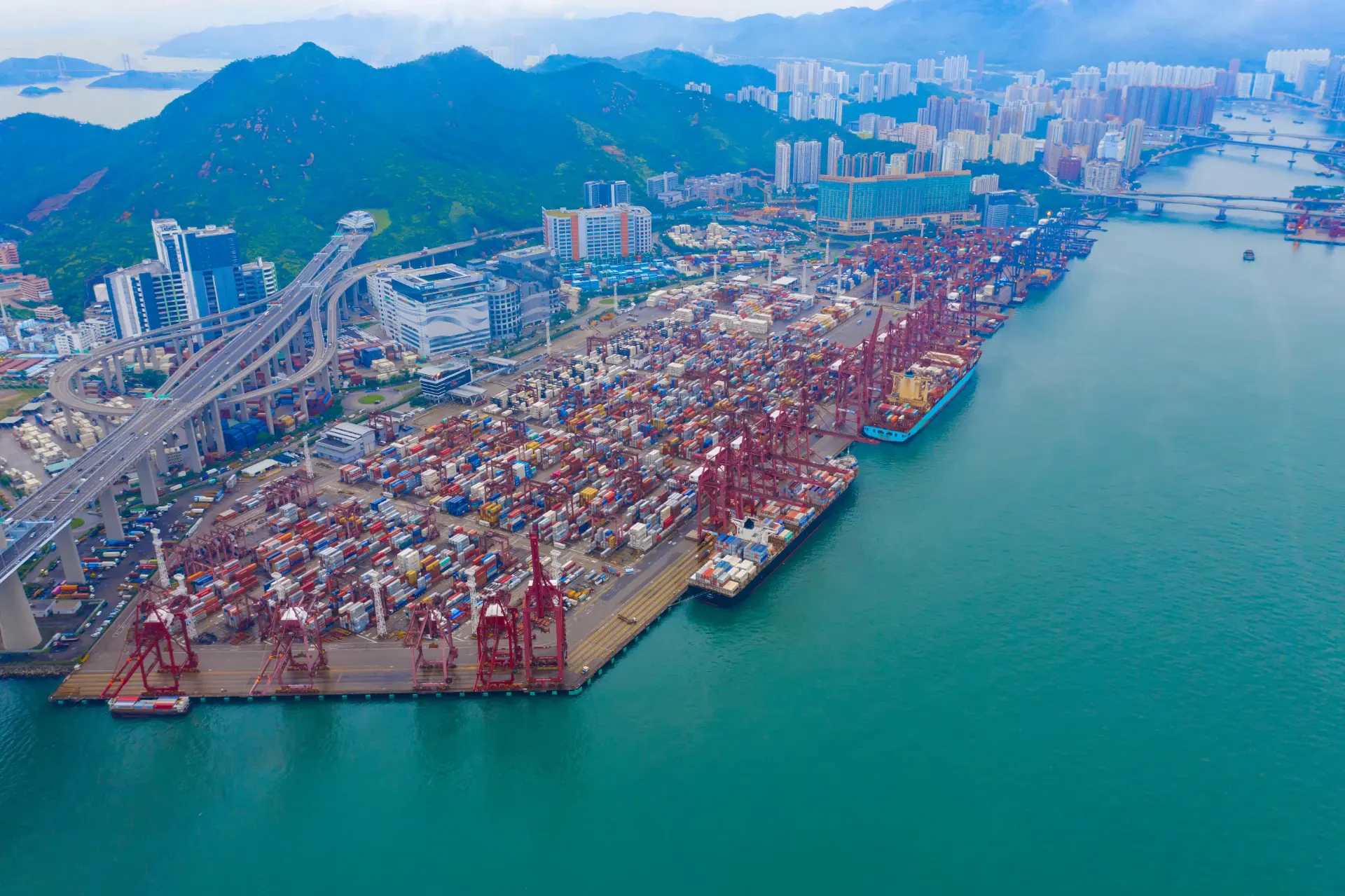
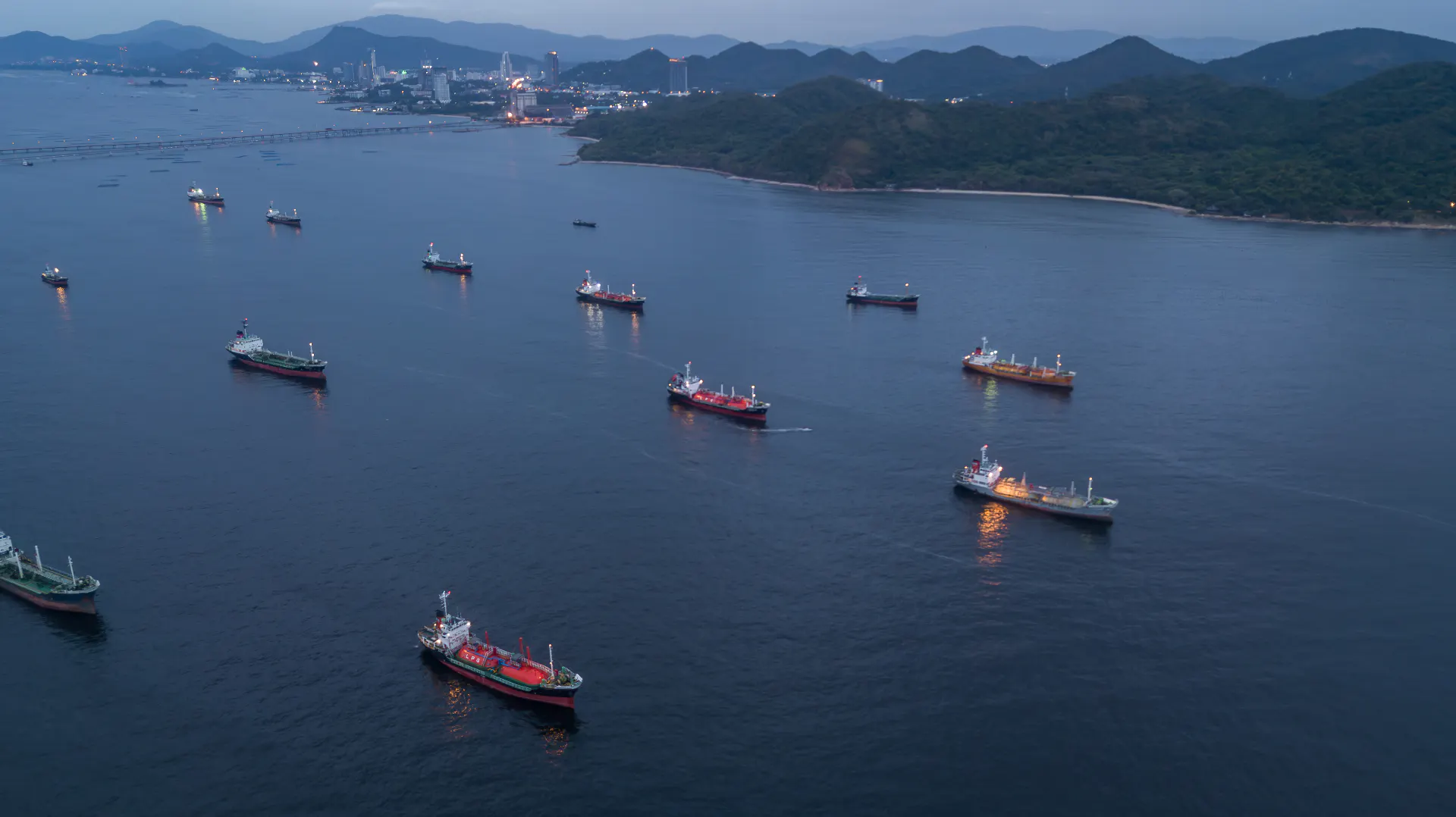
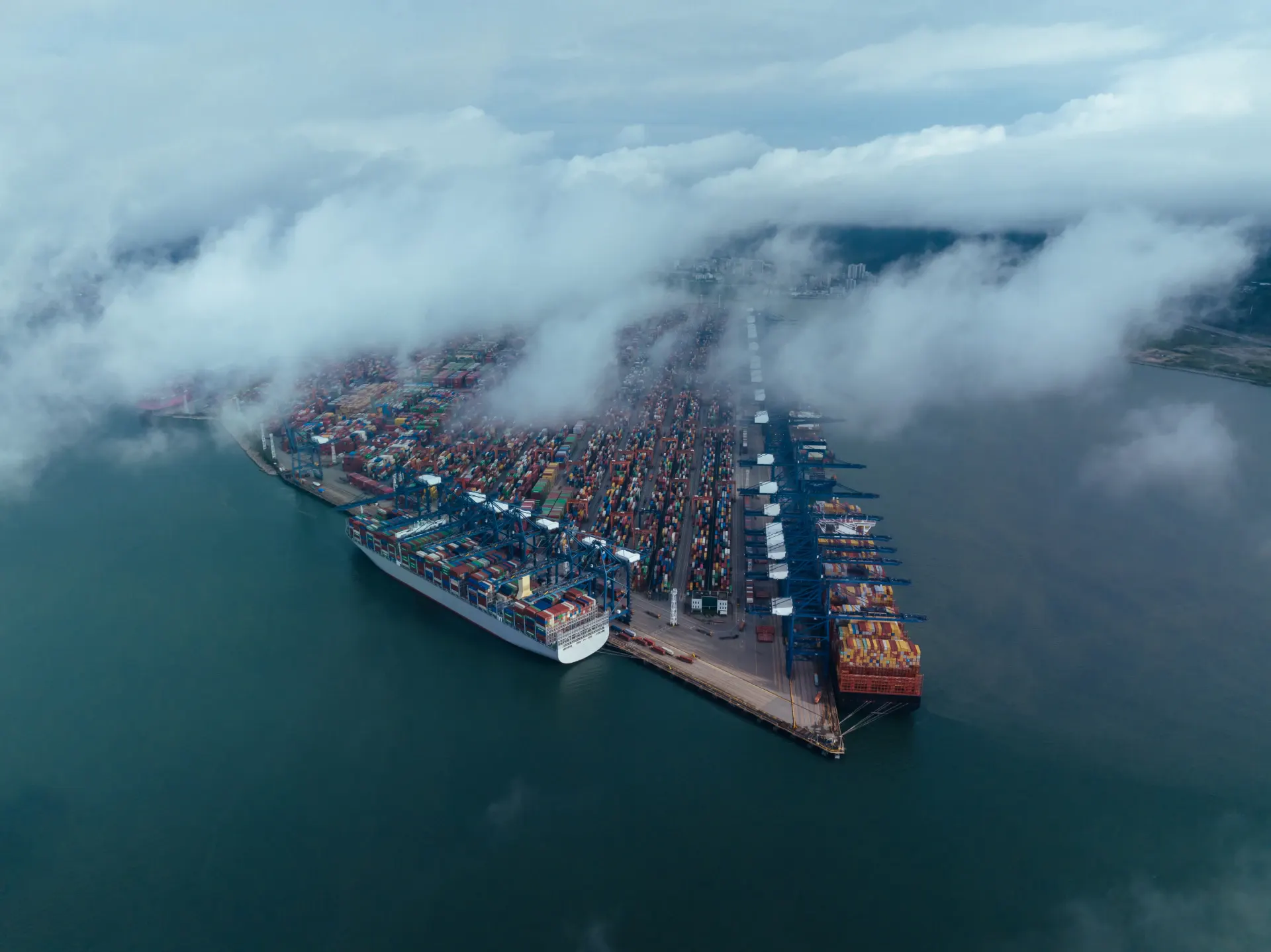
Asia remains the hot spot for congestion. Shanghai is high at present, partly as it recovers from a recent typhoon, while Singapore and Hong Kong also show large volumes at anchor. Rotterdam, Antwerp and Hamburg carry persistent congestion of their own, and capacity remains caught in the Middle East because of conditions in the Persian Gulf, the Strait of Hormuz and nearby ports.