NYK to take dry bulk affiliate NS United private in $1bn deal
Nippon Yusen Kaisha has set out a two-stage transaction worth close to $1bn to take its dry bulk affiliate NS United Kaiun private and lift its holding to 83.33%. The total value is around $992m, or ¥156.9bn. The first stage is a tender offer at ¥10,600 per share for up to 11.38m shares, capped at ¥120.6bn or about $765m, representing a premium of 36.95% to the closing price on 30 July.
The second stage restructures the register rather than buying out the public. NS United will buy back 4.72m shares from Nippon Steel for about $230m, taking the steelmaker's holding from 33.36% to 16.67% while NYK moves from 18.55% to the targeted 83.33%. The 48.29% held outside the two industrial shareholders is the portion actually being acquired from the market.
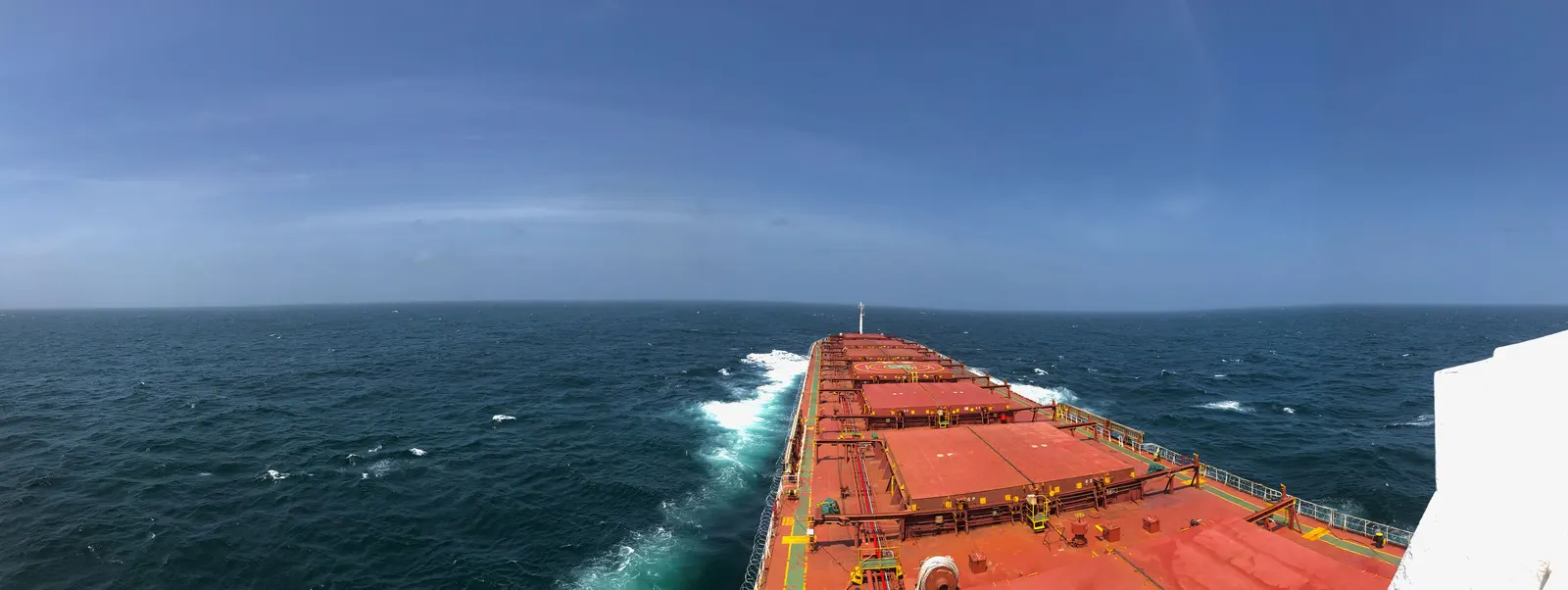
The industrial logic sits in the fleet numbers. NS United operates roughly 210 ships, about 130 oceangoing and 80 coastal, concentrated on iron ore, coking coal and steel-related cargoes. NYK group runs more than 900 vessels, over 400 of them in dry bulk. Combining the deployment of two fleets serving overlapping trades allows ballast legs to be reduced and voyages to be matched more tightly, which is where the operational savings in a transaction of this kind are usually found.
Procurement is the other stated rationale. NYK expects to cut costs across fuel, ships and financing by buying for the combined operation rather than separately. Bunker purchasing and newbuilding contracting both scale well, and financing terms available to a group of NYK's size are materially better than those an affiliate with a minority free float can obtain independently.
The timetable is long by the standards of a domestic transaction. The tender offer is expected in late November or December 2026, with completion targeted for mid-April 2027, and approvals are required in Japan, Australia, China and Brazil. The presence of Australian and Brazilian regulators reflects where the iron ore trade begins rather than where either company is domiciled, and it is a reminder that consolidation among Japanese bulk operators is examined most closely by the countries whose exports those ships carry.