Norwegian Owner Sells Two Suezmax Tankers And Prepares Newbuildings
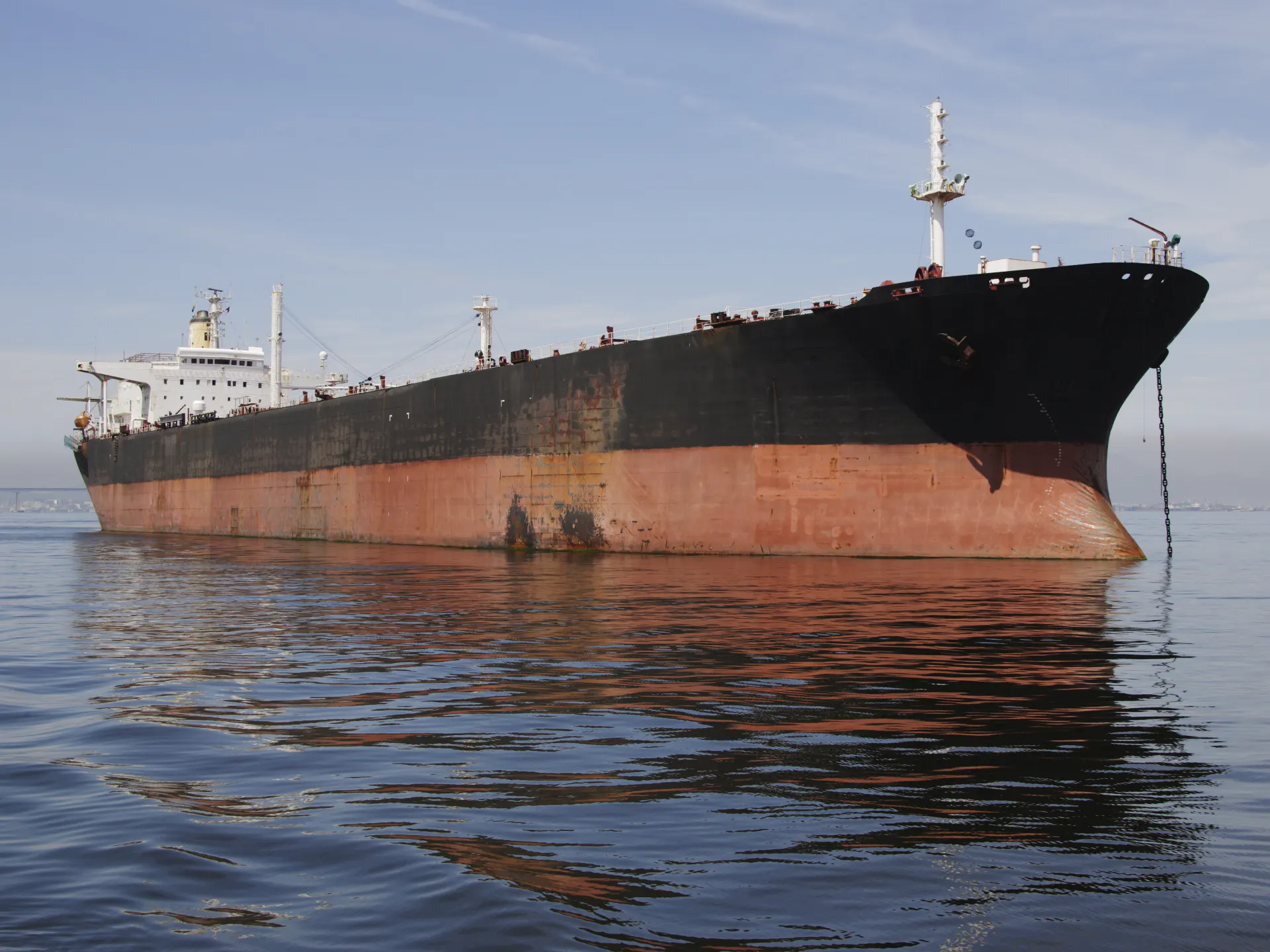
A Norwegian tanker owner has agreed to sell two Suezmax tankers built in 2004 and 2005 for a combined fifty million dollars, expecting a book profit of about fourteen million, and has reached a preliminary agreement for two newbuildings for delivery in the second half of 2028. The transactions together mark a straightforward fleet renewal.
Selling twenty-year-old tonnage into a strong market is textbook timing. Values for older tankers have been lifted by the same scarcity that has driven freight rates, and a vessel approaching the end of its economic life commands prices that would have been unavailable a few years ago. The book profit confirms the ships were carried below what the market will now pay, which is the position every owner hopes to be in when they sell.
The buyers of such vessels are usually operators with a different risk appetite and a different trading pattern. Twenty-year-old tankers face restrictions at many terminals, higher insurance costs and increasingly heavy survey requirements, and they tend to migrate towards trades where those constraints matter less. That migration is the mechanism by which the mainstream fleet renews itself and the older fleet concentrates in less transparent corners of the market.
The published account of these transactions contains an apparent overlap, describing two vessels sold for fifty million and separately a 2005-built ship for about forty million, which may be a double count of the same vessel or may indicate a third sale. Several dates in the same account are also given as January 2026, which is in the past relative to publication. Until the company clarifies, the specific figures should be treated as provisional.
The newbuilding side is the more consequential half. Committing to two Suezmaxes for late 2028 delivery means accepting current yard prices, which are high, in exchange for modern tonnage arriving into a fleet whose average age has been rising for years because owners deferred ordering. Whoever is holding modern ships when the older fleet finally leaves the market will be well placed, and that is the calculation being made here. The counter-argument is that yard prices reflect the same tightness the owner is selling into, so the transaction amounts to selling high and buying high at once. What makes it work is the gap in age: the ships leaving are near the end of their trading lives while the ships arriving have twenty years ahead of them.