Northern Lights completes carbon shuttle fleet with fourth ship
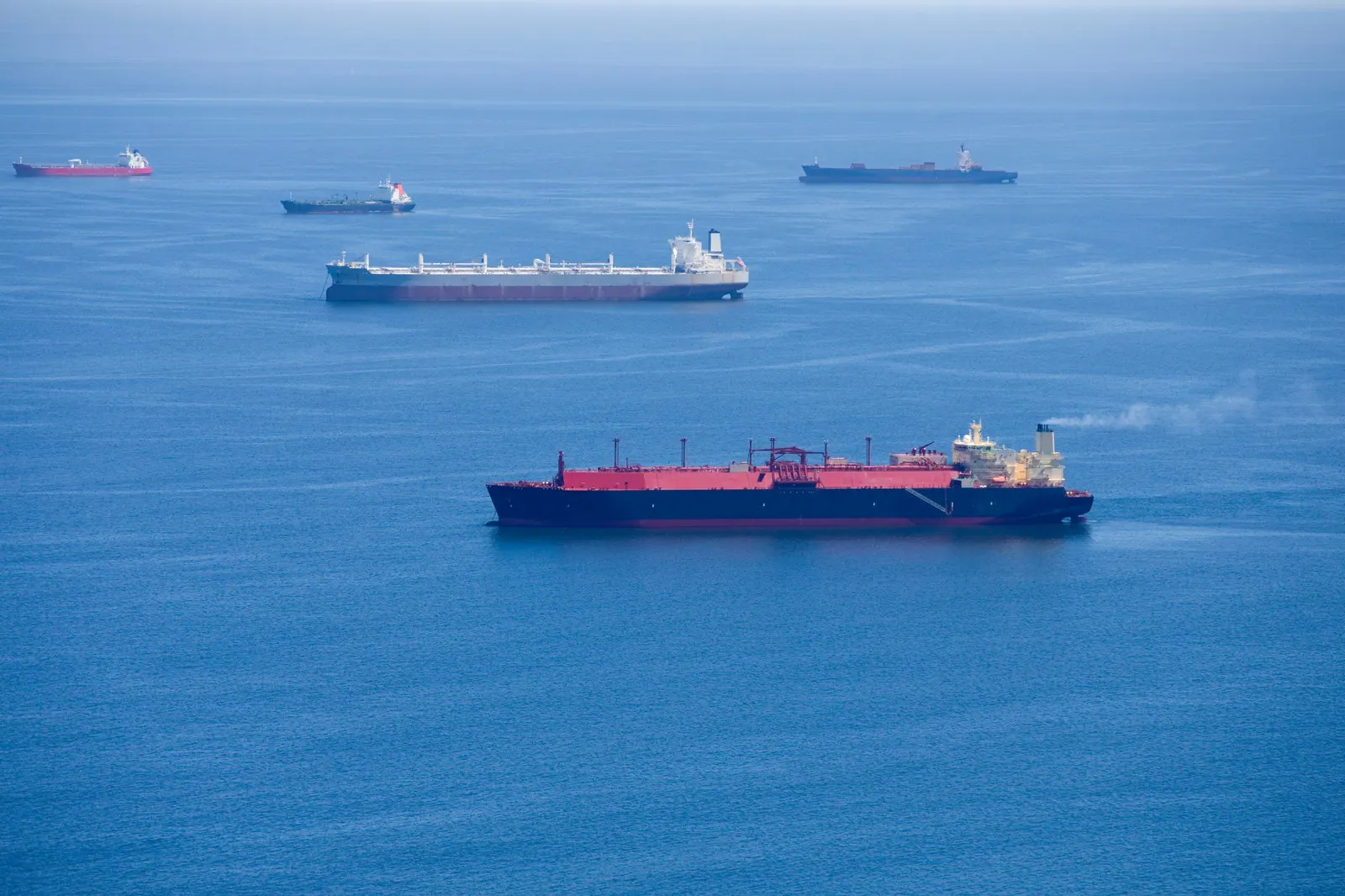
The Northern Lights carbon capture and storage venture has taken delivery of the fourth and final vessel in its dedicated fleet of liquefied carbon dioxide carriers. The ship, named Northern Purpose, was delivered on 29 May following a naming ceremony on 19 May, and joins sisters Northern Pioneer, Northern Pathfinder and Northern Phoenix. With the quartet complete, the venture has the shuttle capacity it needs to move captured carbon dioxide from industrial emitters to its permanent storage site.
Each vessel has a capacity of 7,500 cubic metres and measures 130 metres in length, and the class was built at Dalian Shipbuilding Offshore in China. The Portugal-flagged newbuilding carries its cargo at minus 35 degrees Celsius and 19 bar of pressure, conditions chosen to keep liquefied carbon dioxide stable in transit. Ownership sits with Plover Shipping, with technical management provided by Bernhard Schulte Shipmanagement.
The ships are unusually well equipped for their size. They run on liquefied natural gas as a dual-fuel arrangement, and carry both a rotor sail and an air lubrication system to cut propulsion demand further. Fitting three distinct efficiency technologies to a single small gas carrier reflects the logic of the trade: a carbon transport chain that emits heavily in transit undermines the point of the exercise, so the emissions profile of the shuttle fleet is part of the commercial proposition rather than an afterthought.
The vessels discharge at the receiving terminal at Oygarden on the Norwegian west coast, where the carbon dioxide is conditioned and then piped offshore for injection into a reservoir some 2,600 metres below the seabed. The venture is a joint undertaking between Equinor, Shell and TotalEnergies, and it has positioned itself as an open-access service, taking carbon dioxide from third-party emitters across northern Europe rather than serving only its owners' own facilities.
Managing director Tim Heijn has framed the completed fleet as the point at which the venture moves from construction to routine operation. The commercial question that follows is whether enough industrial emitters commit volumes at prices that sustain the chain. The infrastructure now exists, purpose-built and in service, which removes the most common objection to carbon storage as a decarbonisation route; what remains is the harder matter of demand.