Anemoi Courts Korean Yards as Rotor Sails Move Onto Container Ships
A kamsarmax with three rotor sails saved 9.1% of fuel over a year, and 21% on some voyages
The British wind propulsion company Anemoi Marine Technologies is seeking closer ties with South Korean shipbuilders and shipowners as the industry faces growing pressure to cut fuel consumption and emissions.
South Korea combines world-class shipbuilding, sophisticated shipowners and strong marine engineering capabilities, said co-founder and chief commercial officer Nick Contopoulos in Seoul. The company develops rotor sails, tall spinning cylinders installed on deck that use wind to generate forward thrust, working alongside the main engine to reduce the fuel needed to drive the ship.
Anemoi is working with Korean owners and has been approached by several major Korean yards about jointly integrating the technology into vessels, Contopoulos said, declining to identify the companies. Asked about potential partnerships with HD Hyundai Heavy Industries and Hanwha Ocean, he said the company was open to collaboration but would need to weigh demand against where it commits its resources. Korea has been a little more conservative, and it is about timing, he said, adding that he thinks the timing is now slowly coming. He pointed to growing industry interest in wind-assisted propulsion and to financial support from Korean banks for more efficient vessels as signs the market may be changing.
The performance data behind the pitch comes from bulk carriers. A kamsarmax fitted with three rotor sails reduced fuel consumption by an average of 9.1% during a yearlong assessment, with savings reaching 21% on some voyages, though actual performance varies with vessel design, route and wind conditions.
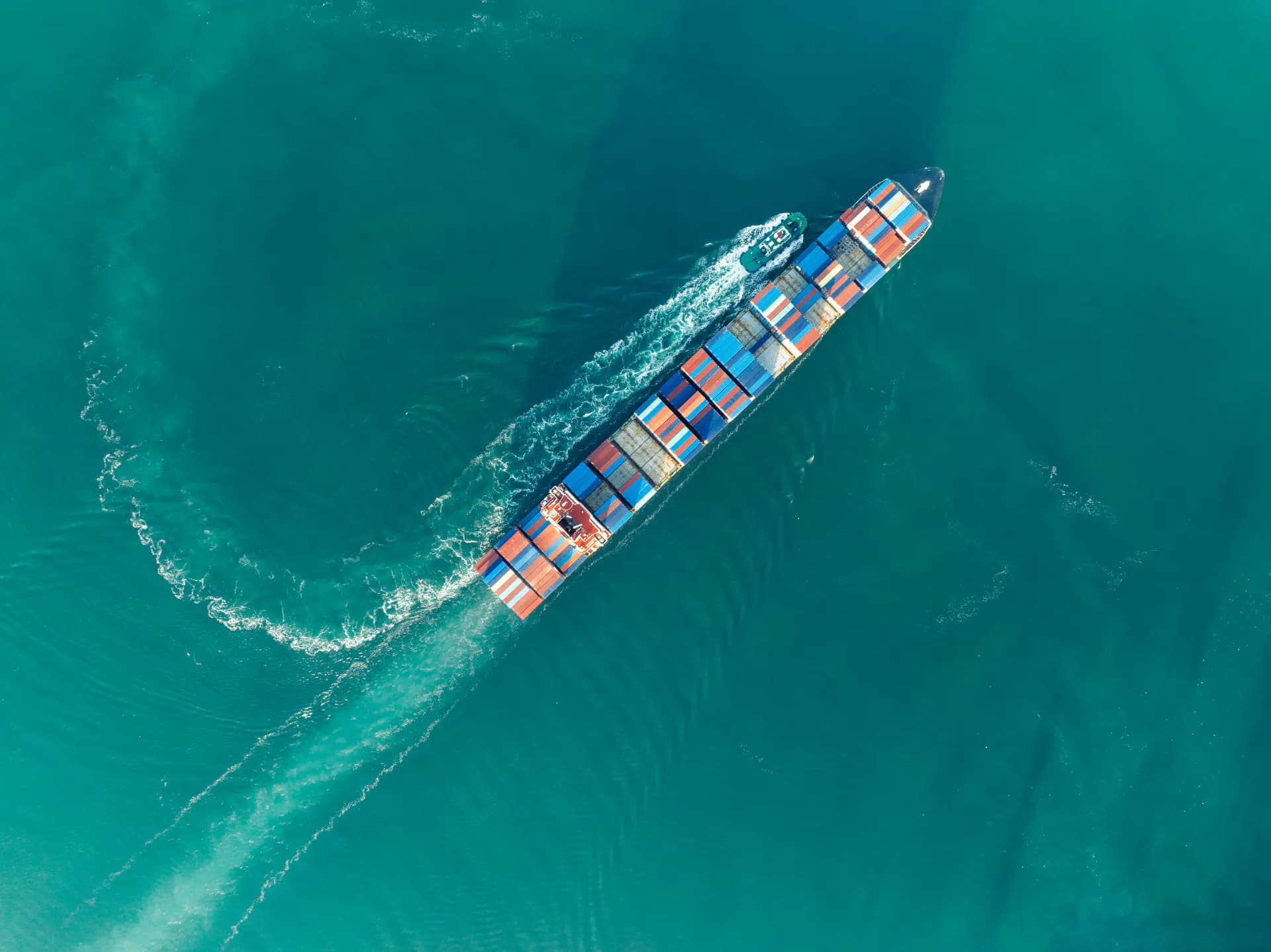
The company is now testing in a segment where adoption has been harder. Maersk selected Anemoi to install a rotor sail system on an 8,700 TEU Lima class container ship, described as the first planned installation of rotor sails on a container vessel and covered in the Maersk pilot. Container ships are difficult because much of the deck is occupied by cargo, and Contopoulos said the planned configuration is designed to minimise disruption to container handling.
Interest in wind is growing as owners weigh several lower-emission fuels including LNG, methanol and ammonia. Rotor sails do not replace an engine and can be used with any of them. I see wind as a complementary efficiency technology supporting the energy transition rather than competing with any of the fuel options in the market, Contopoulos said.
Anemoi currently has 29 rotor sails in operation and more than 16 on order. Expansion in Korea will depend on whether owners and builders see a sufficient commercial case for wider adoption, and on how the efficiency indices that shape newbuilding design, including EEXI and the CII rating, price a device that saves fuel without changing the fuel.