MSC Reaches 500 Secondhand Boxship Purchases Since 2020
The Calandra and Fitz Roy take a six-year buying campaign to a round number no other carrier has approached
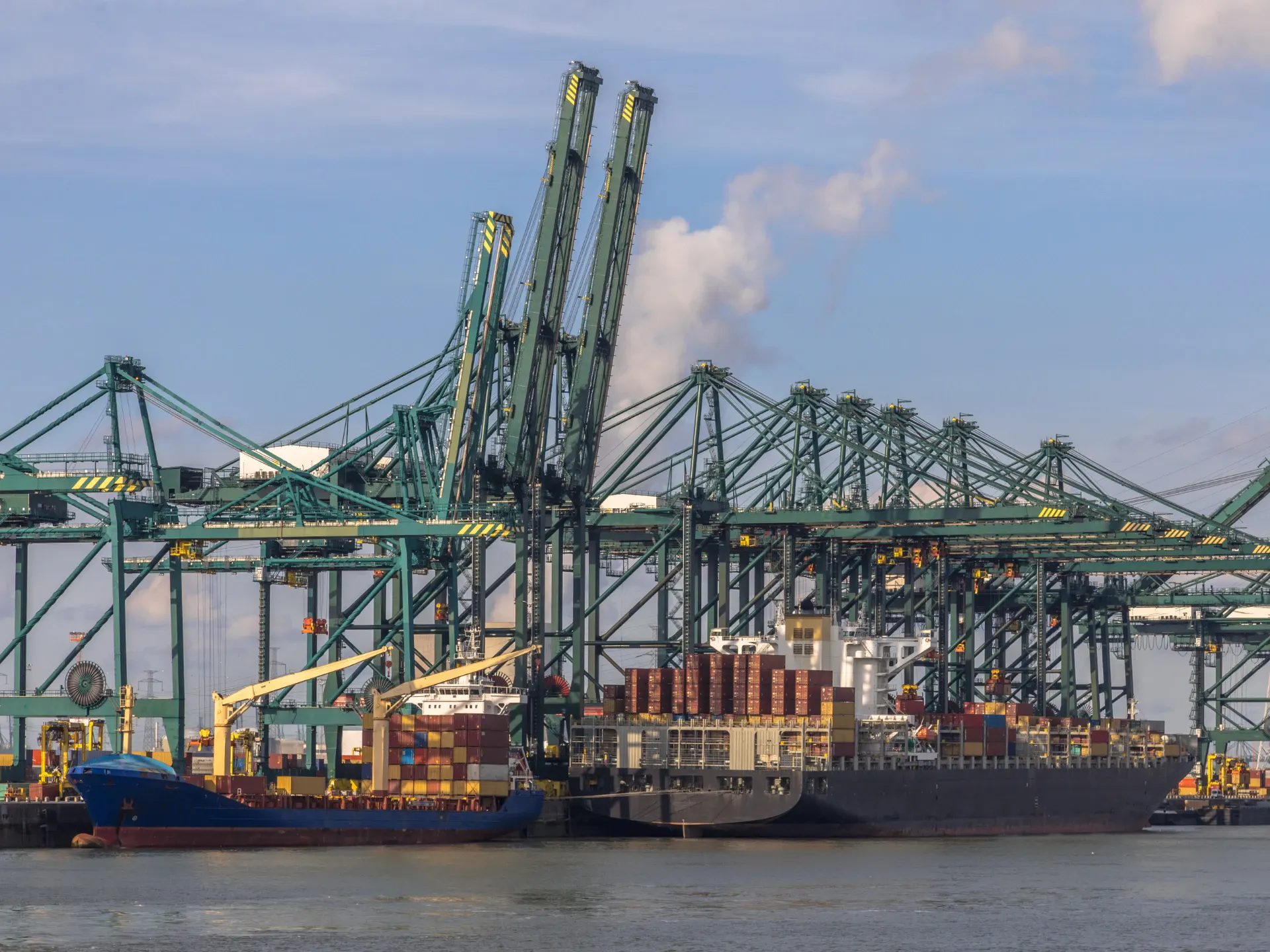
MSC has passed 500 secondhand containership acquisitions since August 2020, a tally compiled by Alphaliner that has no precedent in container shipping and, on the consultancy's reading, is unlikely to be matched by another carrier.
The round number was reached with the purchase of the 2,796 teu Calandra for a reported $27 million and the 1,732 teu Fitz Roy for more than $26 million. Both are small ships by the standards of the trades MSC dominates, and both fit the pattern of the campaign: steady acquisition across every size band rather than a concentrated bet on one segment.
When the Geneva-based carrier began working the secondhand market in August 2020, it operated around 3.8 million teu. It is now approaching 7.4 million teu and controls more than 21 percent of global liner capacity. The buying started as a way to replace chartered tonnage with owned ships and turned into one leg of an expansion programme without parallel in the industry.
Newbuildings did the rest. MSC took only 15 months to grow from 6 million to 7 million teu, and 68 newbuild deliveries accounted for roughly 799,000 teu of that increase. More than 2 million teu of additional capacity remains on order, and the carrier continues to be linked with further large LNG dual-fuel programmes.
The cumulative effect has reshaped the top of the market. MSC overtook Maersk to become the world's largest container line at the start of 2022, when the two companies each controlled a little over 4.2 million teu. The gap between them is now measured in millions of teu.
Scale has also bought structural freedom. MSC is the only major carrier operating the principal east-west trades without belonging to a global vessel-sharing alliance. After the 2M partnership with Maersk ended in February 2025 it launched a standalone network, retaining selective slot-exchange arrangements including with Premier Alliance carriers, but no longer depending on a partner to supply the ships a global network requires.
For everyone else, the practical consequence is a secondhand market that has been shaped for six years by a single dominant buyer, and a competitive set in which alliance membership is no longer the price of entry to the main trades.