Chemical Leak at Mersin Port Affects 35 People After Machine Topples on a Box
Response teams found no adverse readings, and the damaged container was moved to an isolated safety pool
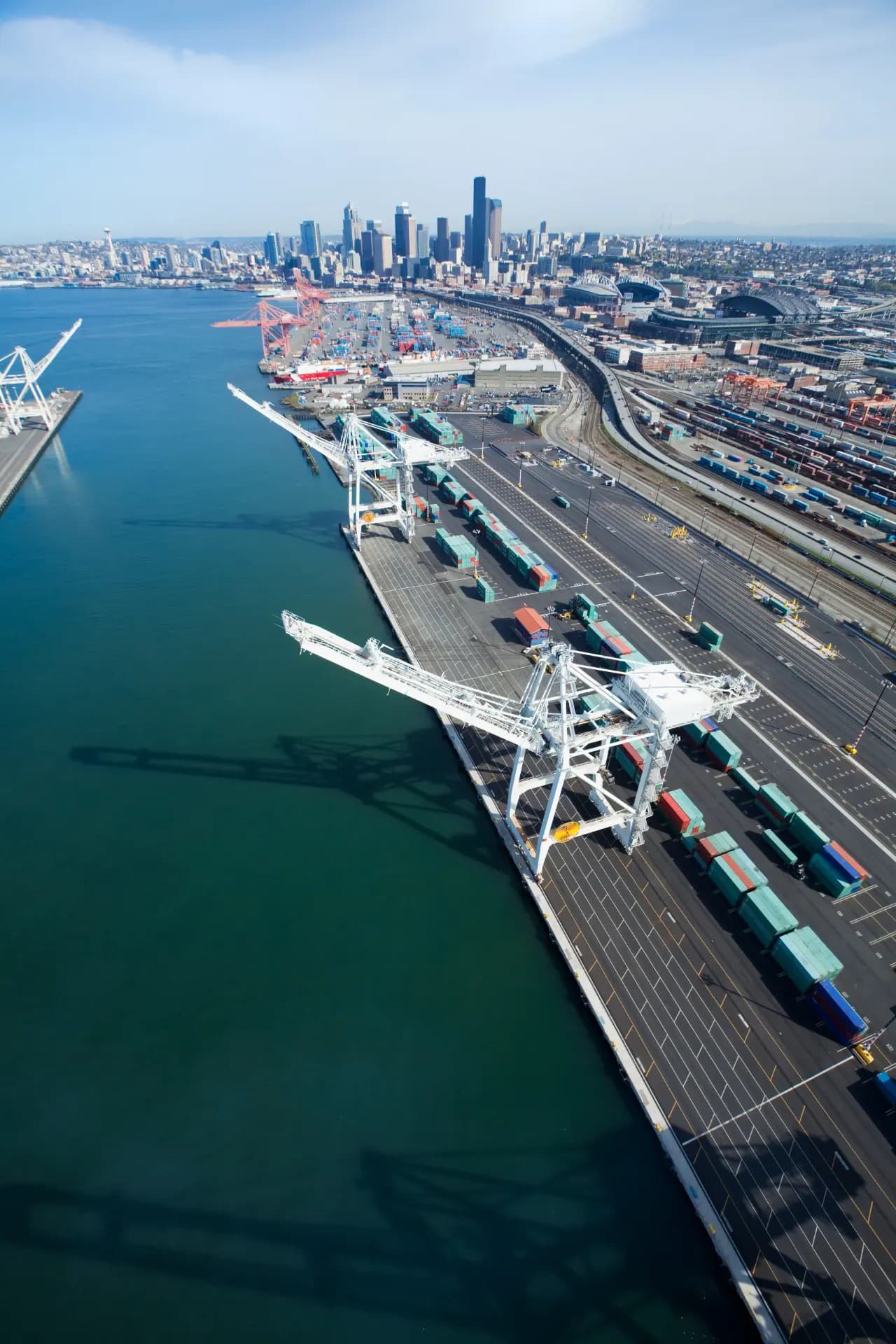
A chemical leak at Mersin International Port in southern Turkey affected 35 people after heavy equipment toppled onto a container in the early hours of 4 September.
The Mersin Governor's Office said the accident happened at about 2.20am. Emergency teams identified the escaping substance as believed to be ethyl acrylate, a reactive ester with a strong odour that spread quickly across the terminal area. Chemical, biological, radiological and nuclear response teams from Turkey's Disaster and Emergency Management Authority took measurements at the site and found no adverse readings.
Authorities established a safety zone around the accident site and moved the damaged container to a safety pool in an isolated area, the standard containment step for a leaking box that cannot be resealed in place. The 35 people affected by the odour were in good general condition and were kept under medical observation.
Port operations were temporarily suspended after the leak and workers were moved outside the terminal area. The duration of the disruption was not disclosed.
The terminal is a significant one. Mersin International Port took over the operation of the facility, which is owned by Turkish State Railways, in 2007 under a 36-year operating rights agreement, and its designed container handling capacity is 3.6m TEU. It is the principal box gateway for southern Turkey and for transit cargo moving to and from the country's southeastern hinterland.
Incidents of this kind sit at the intersection of two routine risks that rarely coincide. Handling equipment failures are common enough in any terminal; so is the presence of packaged dangerous goods in the stack. What makes the combination hazardous is that a crushed box is opened in an uncontrolled way, and the first responders may not know what is inside until they read the declaration. Ethyl acrylate is used in the manufacture of adhesives and coatings, is flammable, and has an odour threshold low enough that a small release is detectable across a wide area, which is one reason a leak with no adverse instrument readings can still send dozens of people for observation.
The declaration itself is the control that matters. Under the IMDG regime, packaged dangerous goods must be declared, correctly classified and stowed under segregation rules, and terminals plan their yard positions around that data. Cargo documentation obligations of this kind run through the bill of lading and the shipper's dangerous goods declaration, and a misdeclared box is invisible to every safety control downstream of it.