Korean Builder Takes Delivery Of Its First Owned Crude Carrier
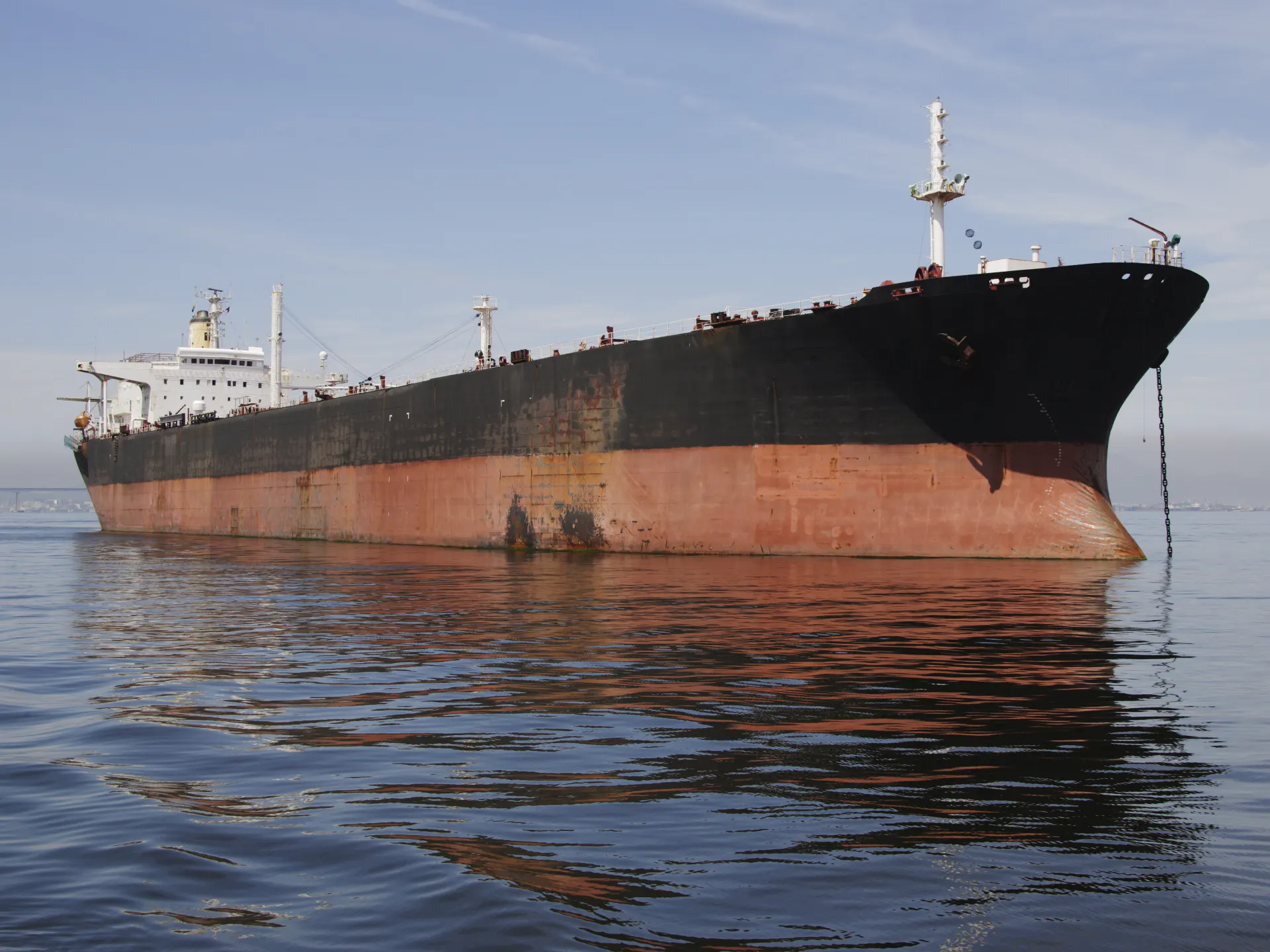
A Korean shipbuilder's shipping subsidiary has taken delivery of a 320,000 deadweight tonne very large crude carrier, the first vessel it has owned outright since the unit was established. The ship was built by its parent and will be chartered on a long-term basis to one of the world's largest independent crude trading houses, marking the group's formal entry into shipowning alongside its established construction business.
The tanker measures 331 metres in length with a beam of 60 metres and is fitted with an exhaust gas desulphurisation system. It was handed over at the end of July, a day after a joint naming ceremony at the builder's main yard covering this hull and two sister vessels, both of which will join the same fleet in sequence as construction progresses. The shipping arm was established in April 2024 and is half-owned by an American subsidiary of the parent group.
The strategy behind the move is a deliberate shift away from a profit model built solely on shipbuilding. By ordering and owning vessels through its own subsidiary, the group captures charter revenue over a vessel's operating life rather than realising a single margin at delivery, smoothing the pronounced cyclicality that has repeatedly forced Korean yards into restructuring. The parent amended its articles of incorporation as early as its 2024 shareholders' meeting to include vessel leasing and shipping operations within its permitted business scope.
The company has also framed the fleet as a testing platform. Operating its own tonnage gives it a way to validate environmental and digital ship technologies under genuine commercial conditions rather than in trials, and to build closer working relationships with charterers who can see the results. Data gathered from a vessel the yard both built and operates is considerably easier to obtain than data from a ship sold to a third party, which matters as regulatory pressure pushes designs towards fuels and systems with limited service history.
Whether the model spreads will depend on how the charter economics work out over the coming years. Shipbuilders taking equity positions in their own output is not a new idea, and it carries obvious risks: a yard that owns ships is exposed to freight market downturns at precisely the moment its order intake weakens, concentrating rather than diversifying cyclical risk. Long-term charters to a creditworthy counterparty mitigate that considerably, which is presumably why the first vessel was placed on one.