The Architect of STX Returns to Shipbuilding Through a Stake in SK Oceanplant
D-Ocean Asset Management is acquiring control for around KRW410bn as the yard signs for six aframaxes
One of the most conspicuous boom-and-bust figures from shipping's last great shipbuilding cycle is returning to the industry.
Kang Duk-soo, the architect of South Korea's former STX empire, is coming back through D-Ocean Asset Management, the consortium acquiring control of SK Oceanplant for around KRW410bn, or about $298m.
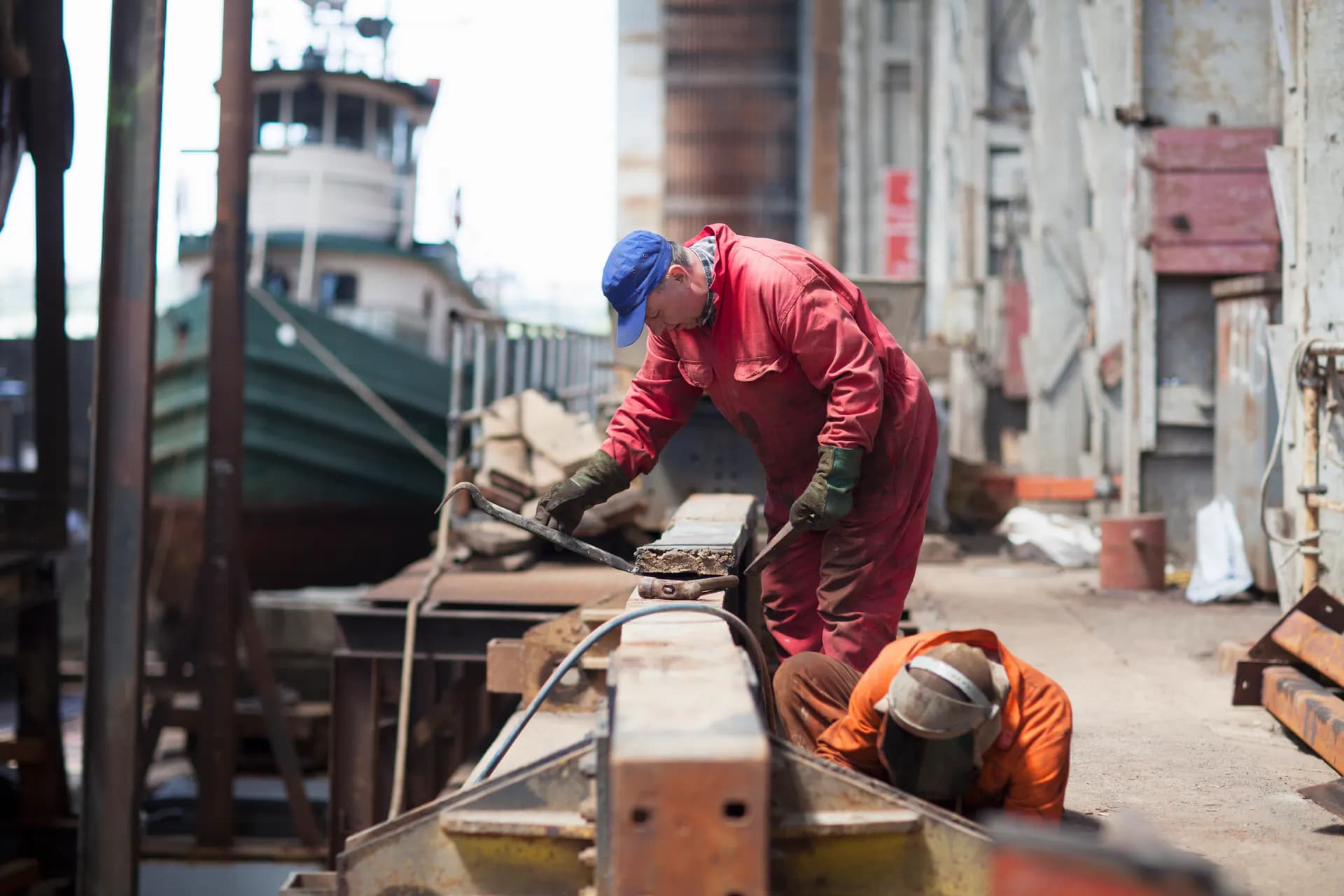
SK Oceanplant is the former Samkang M&T, a Goseong-based offshore wind and latterly shipbuilding specialist acquired by SK Ecoplant in 2022 and renamed the following year. Its roots lie in heavy steel fabrication, ship blocks and offshore structures, and it also builds special-purpose vessels and undertakes repair and conversion work.
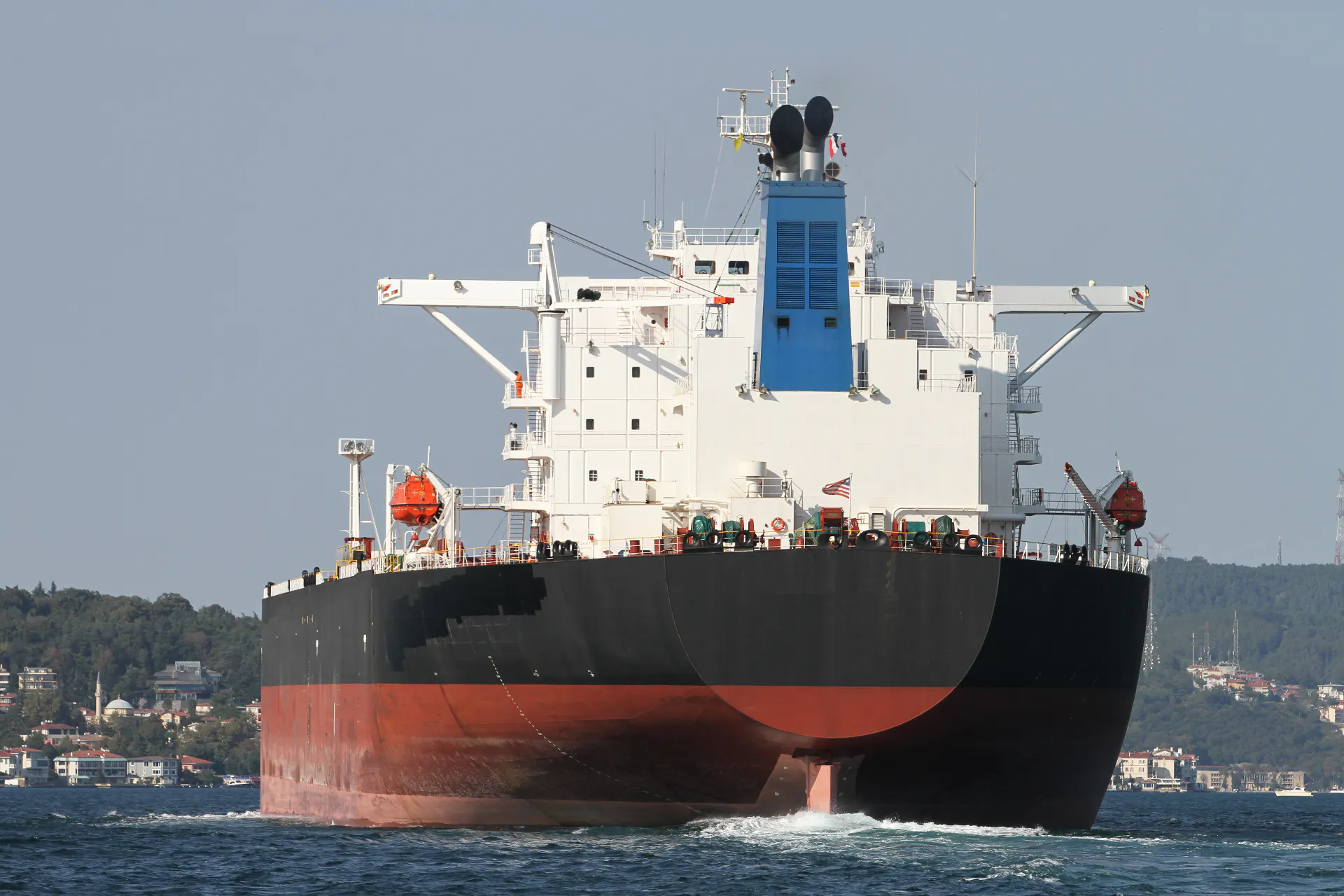
The company has recently signed for six 115,000 dwt aframax crude tankers, with two additional options. The firm portion is worth about KRW600bn, rising to around KRW800bn, or $580m, if the options are exercised. That order changes the character of the asset being bought: a fabrication yard with a tanker book is a different proposition from one dependent on offshore wind awards.
Kang was among the most prominent names of shipping's previous supercycle in the first decade of this century. He started as an employee at Ssangyong Cement in 1973 and eventually became chief financial officer of Ssangyong Heavy Industries, before putting his own money into acquiring the business in 2001 and renaming it STX.
A series of audacious acquisitions followed. Pan Ocean, one of South Korea's largest owners, joined the group, and in 2007 Kang acquired Norway's Aker Yards to create STX Europe. In China he developed STX Dalian, one of the most ambitious greenfield shipbuilding complexes of the era. Within a decade STX had become one of South Korea's largest conglomerates.
Then came the crash. The 2008 financial crisis destroyed newbuilding demand while the group's highly leveraged expansion left it exposed to a severe liquidity squeeze. Restructuring started in 2013 and the empire was rapidly dismantled. Kang was arrested and detained in April 2014 and later sentenced to six years in prison over corporate offences including embezzlement, breach of trust and accounting fraud. On appeal in October 2015 the accounting-fraud conviction was overturned and his sentence was reduced to three years suspended for four, leading to his release.
The STX story has a postscript. STX Dalian, mothballed for close to a decade, was acquired by Hengli Group in 2022. Reborn as Hengli Heavy Industries, the complex is now one of the fastest-growing shipbuilders in the world, with an orderbook spanning tankers, bulkers, container ships and gas carriers.
Other ghosts from the last boom are stirring too. Rongsheng Heavy Industries, once China's largest private shipbuilder before collapsing in the previous downturn, is being revived as Wuhu Shipyard brings two of its Nantong drydocks back into service for newcastlemaxes and VLCCs. Global contracting has accelerated sharply and dormant Asian capacity is returning as established yards stretch delivery slots towards the 2030s, a squeeze visible in South Korea's big three running above rated capacity.