South Korea Takes Offshore Wind Site Selection Into State Hands With 25 GW Target
The government will designate preliminary zones and coordinate as many as 42 permitting procedures
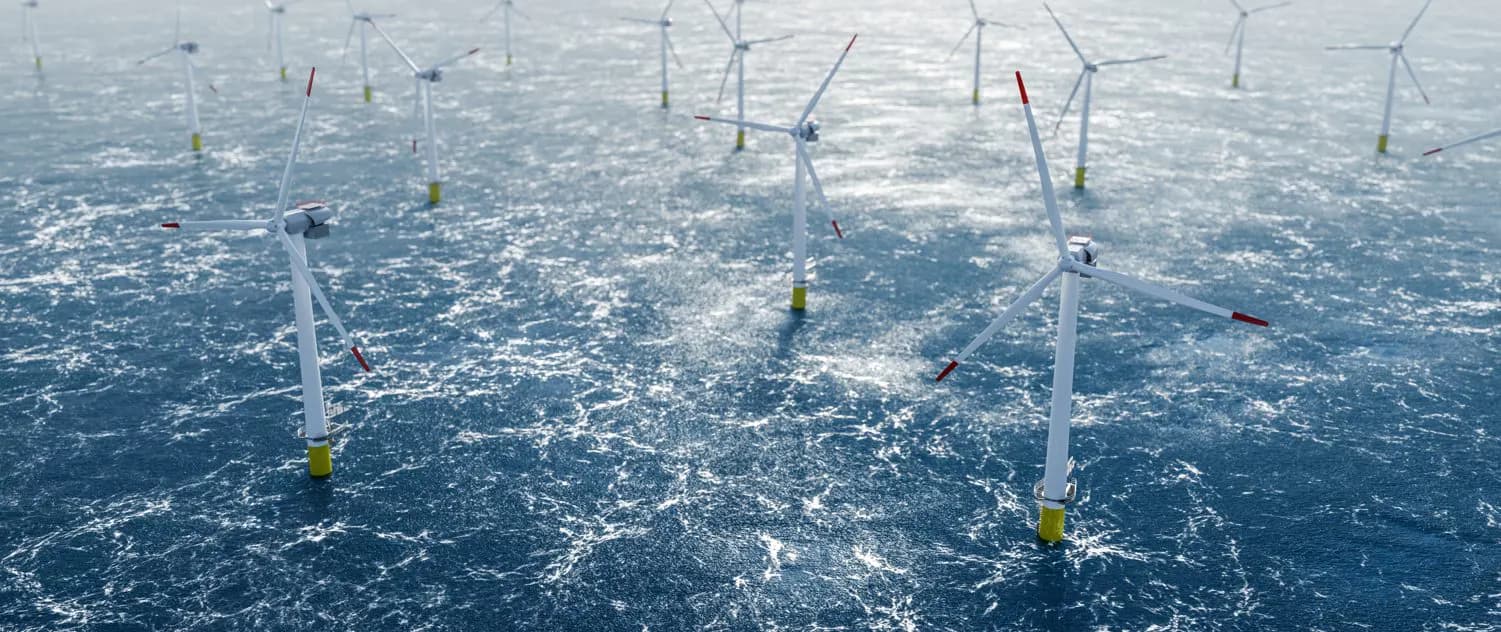
South Korea is overhauling the way offshore wind acreage is developed, shifting site selection from individual developers to the government and targeting 25 GW of preliminary development zones by 2031.
The country's first Offshore Wind Power Committee approved the planned-siting regime on 2 September. Under the new system the government will identify suitable areas using wind resource, environmental, fisheries, maritime traffic and military data, before securing local acceptance and then selecting developers.
Maritime traffic and fisheries data carrying equal weight with wind resource is the significant part for shipping. Site selection made by a developer optimises for wind and water depth, and leaves navigational and fishing conflicts to be argued out afterwards during consenting. A state-led designation puts routeing and fishing grounds into the screen before an area is offered at all.
Seoul expects the 25 GW of preliminary zones to underpin around 20 GW of additional offshore wind capacity. Government projections put cumulative offshore wind deployment at 3.1 GW in 2030, 25 GW in 2035 and 45 GW by 2040.
The first preliminary zone is due to be designated before the end of this year, with projects originating under the new regime potentially entering operation from 2033. That lead time is a function of the consenting process rather than of construction: once developers are selected, the government also intends to coordinate as many as 42 separate permitting procedures rather than leave companies to navigate them individually.
The reform arrives after a period in which Korean offshore wind has produced as many withdrawals as awards, including the decision to shelve a 1.4 GW project at Incheon. Domestic yards have meanwhile been building the fabrication and installation capability the pipeline assumes, with offshore vessel demand tied directly to how many zones reach construction.