Juneau Keeps Its Five-Ship Cruise Cap Voluntary After a 5 to 4 Vote
Defending a mandatory ordinance was estimated at $1m to $4m with no guaranteed outcome
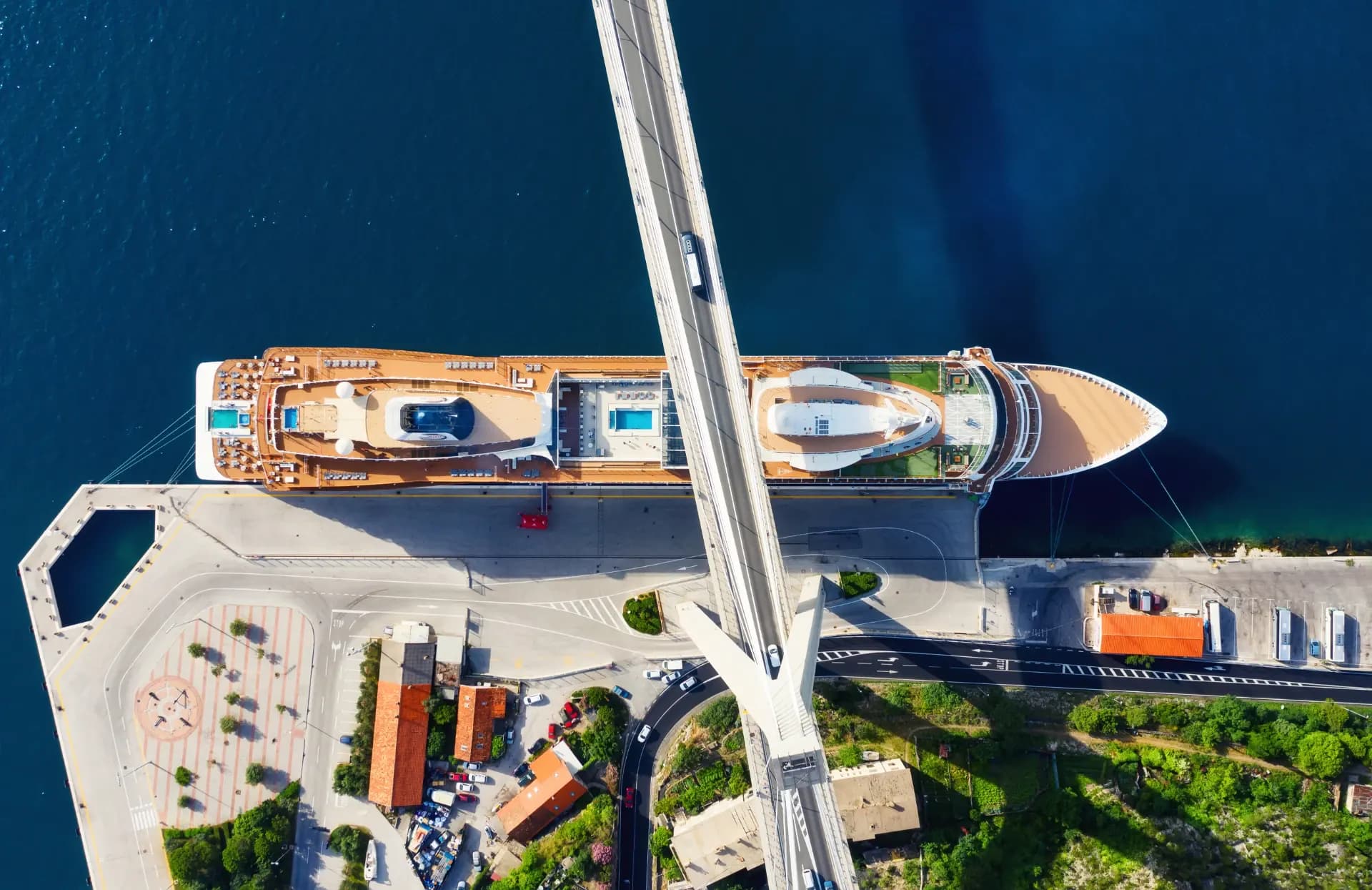
Juneau will keep its voluntary limit of five large cruise ships a day for now, after the City and Borough of Juneau Assembly voted 5 to 4 on 31 August to postpone an ordinance that would have turned the negotiated cap into local law covering downtown berths and Douglas Island.
For Alaska cruise planners, the near-term rule set does not change. Ships with more than about 950 lower berths continue to operate under memorandums of agreement targeting five large ships a day, alongside weekday passenger ceilings of 16,000 lower berths and 12,000 on Saturdays. Mandatory citywide enforcement is on hold until the Visitor Industry Task Force completes its recommendations later this autumn.
The ordinance was the vehicle to codify the negotiated limit, and sponsors had framed it as matching the voluntary policy already used with the major lines, including coverage of any large ships calling at private docks on Douglas Island. Had it passed, a sixth large cruise ship berth anywhere inside the City and Borough would have become illegal. Assembly member Ella Adkison said community surveys have long supported the five-ship limit and called codification a first step the body had previously avoided because its legal authority looked uncertain.
Mayor Beth Weldon moved to wait. City Attorney Emily Wright told members there is no litigation-free path and estimated that defending a mandatory ordinance could cost between $1m and $4m without a guaranteed win. Deputy Mayor Greg Smith argued the voluntary system is working and that the city has no reason to force a fight while negotiations remain productive.
The caps already shape how Southeast Alaska is scheduled. Juneau and the cruise lines have used a negotiated five-ship daily limit since the 2024 season, following earlier tourism policy work in 2023, and a separate agreement layer for 2026 targets maximum available lower berths of 16,000 from Sunday to Friday and 12,000 on Saturdays, with limited city discretion for hot-berthing exceptions. City tourism staff have said the caps keep passenger volume near recent records rather than allowing another sharp jump, and that Ketchikan can take a larger share of regional passengers in 2026 as a direct result.
For guests the difference is visible on the ground: a Saturday call under the lower berth cap generally means a less crowded downtown and glacier corridor than a midweek five-ship day, because the constraint bites at the berth rather than at the gangway.
The postponement matters for trip design rather than for this season. The voluntary agreements continue to govern the close of the 2026 season and remain the baseline assumption for early 2027 Alaska inventory unless a later Assembly vote changes the legal framework. The distinction between a negotiated arrangement and an enforceable one is that the first can be renegotiated when a line's deployment changes, which is exactly the flexibility both sides are currently choosing to keep.