Global terminal operators post strong 2025 growth as capital spending jumps 23%
Equity-adjusted throughput at the largest port groups rose 8.9% last year, outpacing a global market that itself grew 6.5% despite geopolitical strain
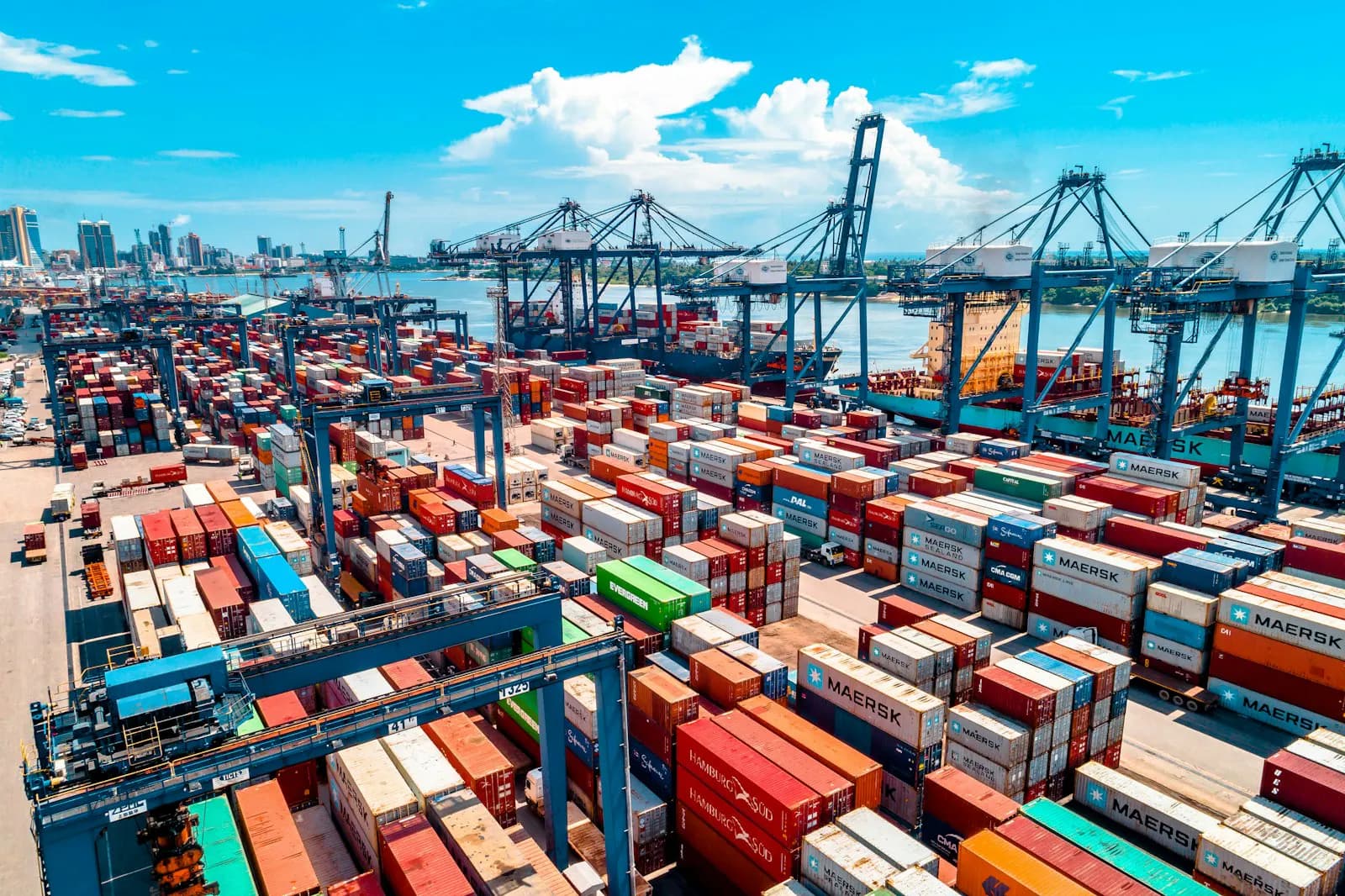
Global port throughput demonstrated remarkable resilience in 2025, rising 6.5 percent year on year to 994 million TEU despite challenging geopolitical conditions, according to a new industry report. The world's largest terminal operator groups outperformed that broader market, increasing their equity-adjusted volumes by an average of 8.9 percent, which lifted their combined share of global throughput from 48.8 percent in 2024 to 49.9 percent in 2025.
PSA International retained the top spot in the equity-adjusted rankings, with throughput of 69.9 million TEU, up 5.3 percent on the year. Eight of the nineteen operators that qualify as global terminal operators achieved double-digit growth in equity-adjusted throughput, including recent entrants and several major hybrid operators that are wholly or majority owned by shipping lines, continuing an aggressive expansion trajectory from the previous year.
The report notes that container terminal concessions are entering a new maturity cycle, as long-term agreements awarded during the privatisation waves of the late 1990s and early 2000s now approach the end of their initial tenure, prompting operators to work closely with concessioning authorities well ahead of renewal dates. Merger and acquisition activity has continued, though geopolitical fragmentation has fuelled rising regulatory protectionism, illustrated by a stalled bid for an international ports portfolio that has become bogged down amid competing national interests. Financial investors nonetheless remain committed to the sector, including a major infrastructure fund taking a large stake in an Australian stevedoring business and a new joint platform being formed to acquire a portfolio of terminal assets from a major container line.
Capital investment across the operators sampled in the report rose 23 percent in 2025, with spending concentrated on growing portfolios, upgrading existing infrastructure and expanding automation and digital capabilities. The operators are projected to add a combined 186 million TEU of capacity to their portfolios between 2025 and 2030, though the report notes an element of double-counting in that figure given the joint ownership structures common across the sector. Greenfield projects account for 23 percent of the projected net capacity increase, with several hybrid, carrier-owned operators best placed to guarantee volumes for new-build terminal developments.
Decarbonisation remains the industry's most pressing environmental issue, with all nineteen operators featured in the report having published net-zero commitments, though target dates vary between 2040 and 2060. The report's authors describe a broad industry consensus on the pathway ahead, focused first on improving operational efficiency to cut overall energy use before shifting over time toward lower-carbon fuels, primarily renewable electricity.