German Port Workers Weigh Offer as Indefinite Strike Nears
Consultation on the fourth pay offer closes on Monday across six German seaports
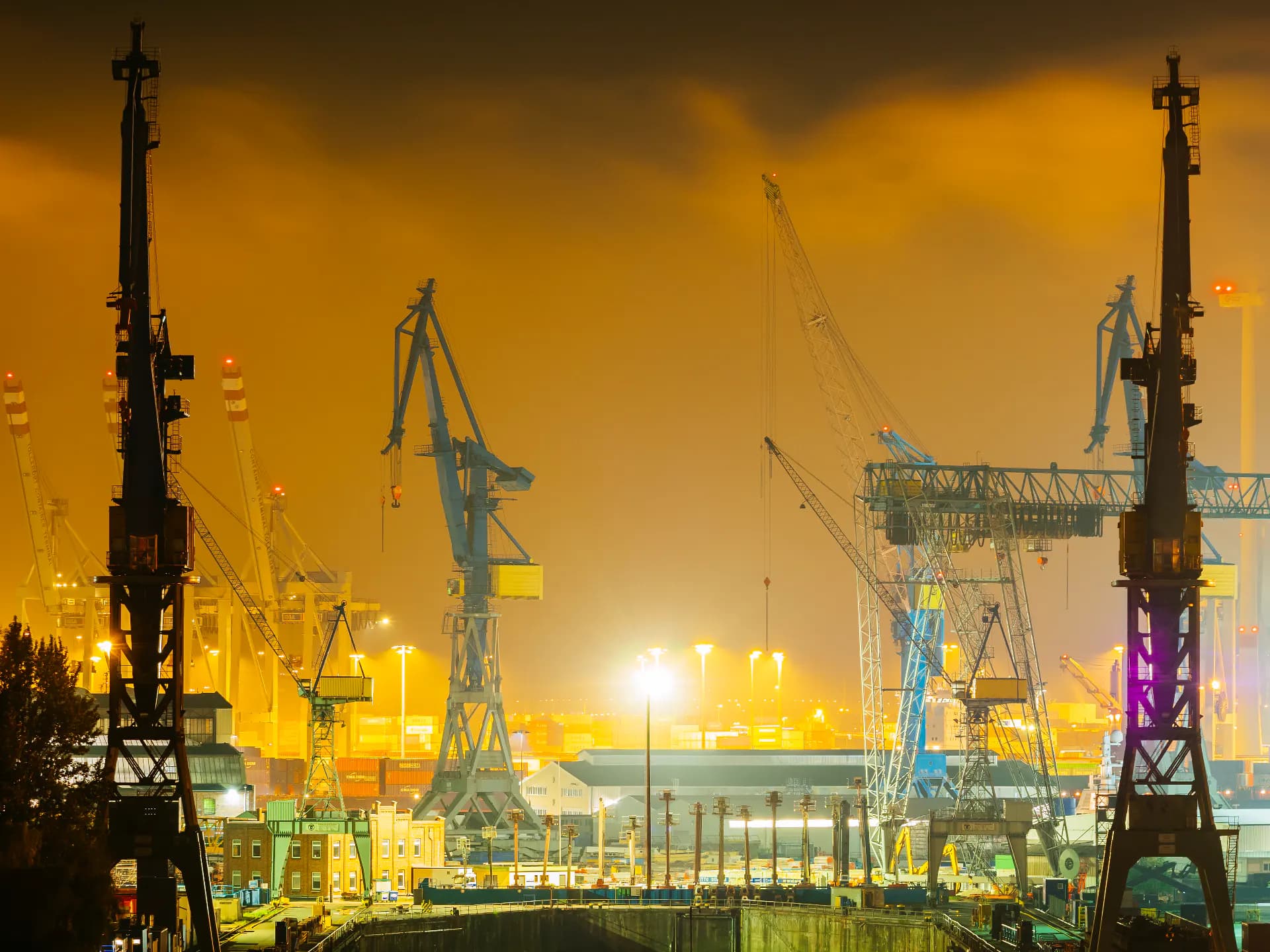
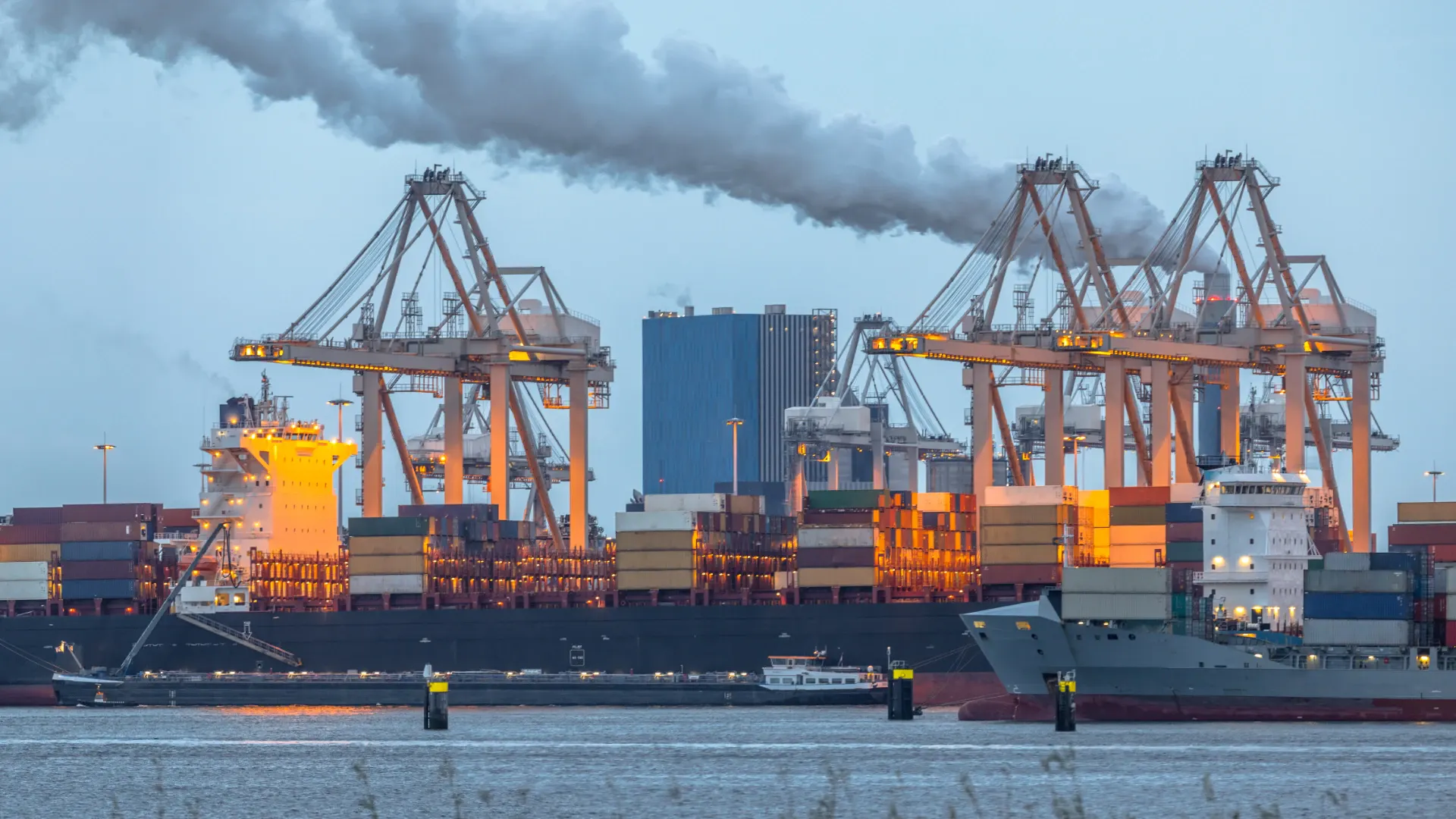
Around 11,000 dock workers at Germany's six largest seaports are deciding whether to accept a fourth pay offer, with the consultation closing on Monday 14 September. If a majority rejects it, the United Services Trade Union ver.di will move to a qualified membership ballot on indefinite industrial action, a step well beyond the warning strikes that have interrupted container handling at Hamburg and Bremerhaven through the summer.
The offer came out of a fourth round of talks in Hamburg on 9 September with the Central Association of German Seaport Operators. It runs for twelve months, the duration the union had made its central demand, and provides a 3.4% increase in hourly wages backdated to 1 August 2026, a 200 euro rise in holiday pay for everyone covered, and an additional annual allowance of 416 euros from 1 January 2027 at the high-turnover container terminals classed as A-operations. ver.di put the terms to its members on 10 September, with negotiator Sylvi Krisch saying it was now the employees' turn to form a view.
The dispute covers Hamburg, Bremerhaven, Bremen, Wilhelmshaven, Emden and Brake. The union opened with a demand for 8.2%, or at least 2.50 euros more an hour, over a twelve-month agreement. The previous offer of 5.1% and a minimum increase of 1.20 euros an hour was rejected by a large majority, and the sticking point was the term rather than the percentage: that proposal ran for eighteen months, which would have held wages fixed through most of 2027.
Two rounds of warning strikes have already been held. The most recent was a 48-hour stoppage that ended on 5 September, leaving container cranes idle at Hamburg and disrupting vessel handling across the six ports. Employers returned to the table the following week.
Open-ended action would be a different order of disruption. Warning strikes are announced, short, and largely absorbed into terminal schedules; an indefinite stoppage would hold up the North European end of Asia to Europe strings at a point when carriers are already working around Red Sea routings and Panama Canal restrictions. Hamburg and Bremerhaven together handle the bulk of German container throughput, and cargo displaced from them lands at Rotterdam and Antwerp-Bruges, where terminals have limited slack to take it.
The ballot, if it comes, would not itself start a strike. It would establish whether the membership is prepared to authorise one, and that authorisation is what employers have so far avoided testing.
This story is part of the Maritime Briefing of 14 September 2026.