Panama Canal Budgets 29.5 Deep-Draft Transits a Day for FY2027
Booking slots fell to 32 on 15 September, but the 48-foot Neopanamax draught limit stays for now
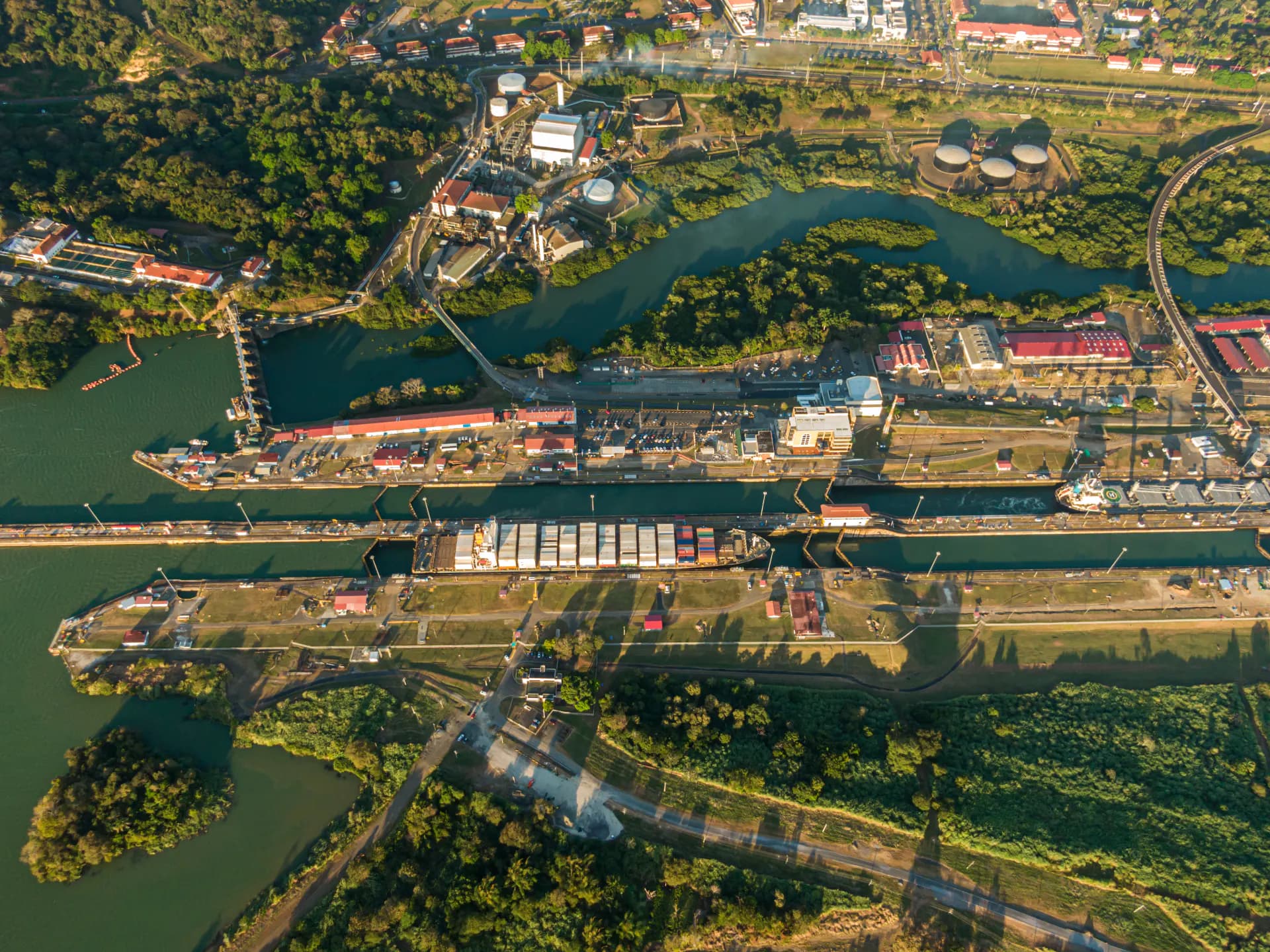
The Panama Canal is budgeting for 10,750 deep-draft vessel transits in the financial year that runs from 1 October 2026 to 30 September 2027, an average of 29.5 passages a day. The forecast assumes traffic of 457.3m PC/UMS tonnes and is framed around challenging water conditions and the possibility of a strong El Niño.
The transit outlook sits alongside a tightening of operating capacity intended to conserve water. From 15 September, 32 daily booking slots are available, comprising nine Neopanamax and 23 Panamax slots, down from the 34 that had applied since 3 September. The reduction falls entirely on the Panamax locks.
One restriction that had been expected has been held back. A planned cut in the maximum authorised Neopanamax draught, from 48.0 feet to 47.5 feet, had been scheduled for 1 October. The Panama Canal Authority has postponed it after a review of Gatun Lake levels and weather projections, and the existing 48.0-foot limit remains in place. For operators of the largest boxships and LNG carriers using the waterway, that is the difference between loading to plan and shaving cargo.
The financial side of the budget proposal is stronger than the transit count suggests. Direct contributions to Panama's National Treasury are projected at B/.3,608m in FY2027, some B/.414m above the estimated B/.3,194m in the approved FY2026 budget. Fewer, better-paying transits are doing the work, with the booking and auction system extracting more value per slot from a constrained waterway.
The pattern has become familiar since the 2023 drought. Rather than manage a water shortage after it arrives, the authority now sets capacity in advance and adjusts the slot count through the year, which gives shippers a planning number at the cost of flexibility at the margin. Vessels without a booking wait, and the queue is priced accordingly at the auction.
The route from Balboa to Cristobal remains one of the two chokepoints that have rewritten global voyage patterns over the past three years, alongside the Red Sea. The FY2027 budget assumes neither eases.
This story is part of the Maritime Briefing of 16 September 2026.