Frontline Sells VLCC Pair For 270 Million Dollars
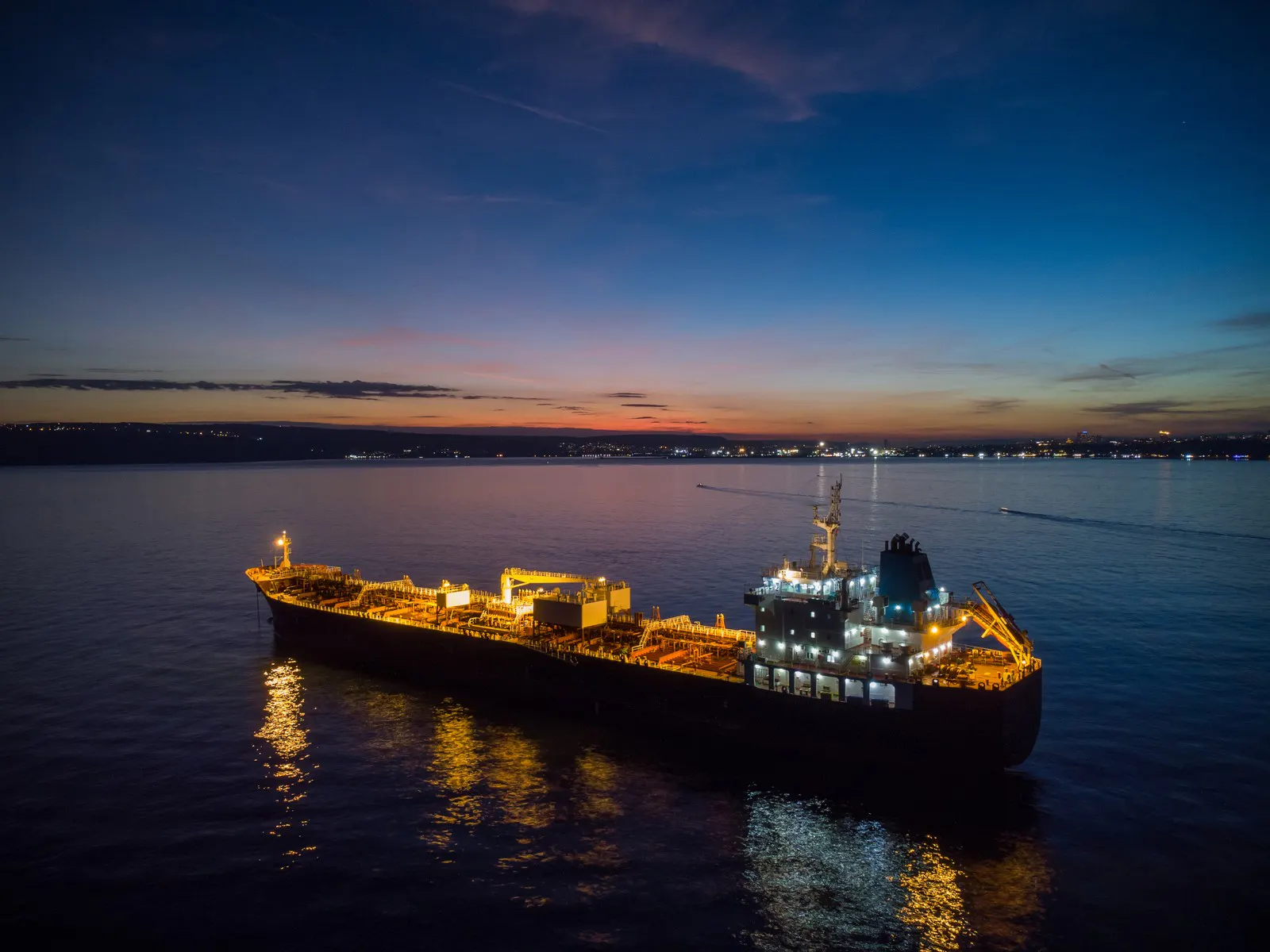
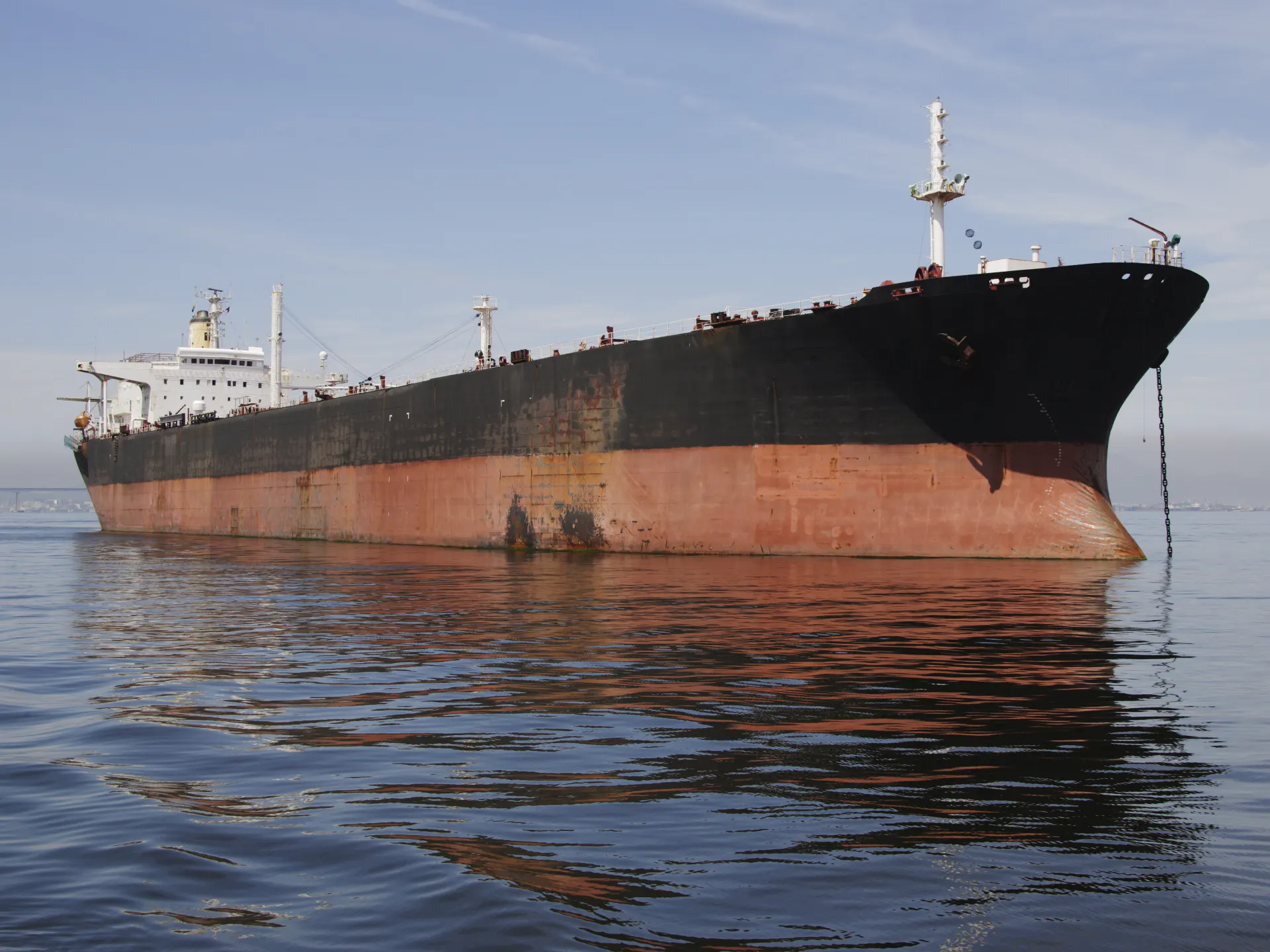
John Fredriksen's Frontline has agreed to sell two very large crude carriers built in 2017 for 270 million dollars, a price of 135 million per ship that analysts have described as a market-clearing transaction supporting recently raised valuations across the listed tanker sector. The buyer has not been identified and the vessels are expected to change hands during the third quarter.
After repaying the debt secured on the pair, the company expects to retain around 179 million dollars and to book a gain of approximately 110 million. All net proceeds are to be returned to shareholders through a one-off dividend of 0.80 dollars per share, conditional on the sale closing. That structure is characteristic of the owner's approach in the current market: realise value at the top of the asset cycle, distribute the cash rather than reinvest it, and keep the remaining fleet exposed to spot rates.
Analysts at a Scandinavian bank read the transaction as confirmation of broker valuations rather than as a discount, with implications for the reported net asset values of other listed crude tanker owners. Asset prices in the sector have risen substantially, and a transaction at 135 million dollars for a nine-year-old very large crude carrier provides the observable data point that valuation models otherwise have to infer.
The chartering pattern behind the decision is instructive. The company has fixed ten one-year time charters for very large crude carriers this year at progressively stronger rates, beginning with seven vessels at 76,900 dollars a day in January and reaching 110,000 dollars a day for two newly delivered ships in the second quarter. An owner able to fix a year's employment at those levels has considerable freedom about which vessels to keep, and selling the older units while chartering out the newer ones is the obvious way to use it.
The sale continues a fleet overhaul launched in January, when the company sold eight very large crude carriers built in 2015 and 2016 for 831.5 million dollars while contracting nine latest-generation scrubber-fitted newbuildings for 1.224 billion, six of them at a Chinese yard and three at another. The net effect is a younger fleet, a larger orderbook and a shareholder base that has been paid along the way. The exposure that remains is to the spot market, which is precisely where this owner has always chosen to sit.