Four-Year-Old Capesize Bulker Sells For Seventy-Eight Million
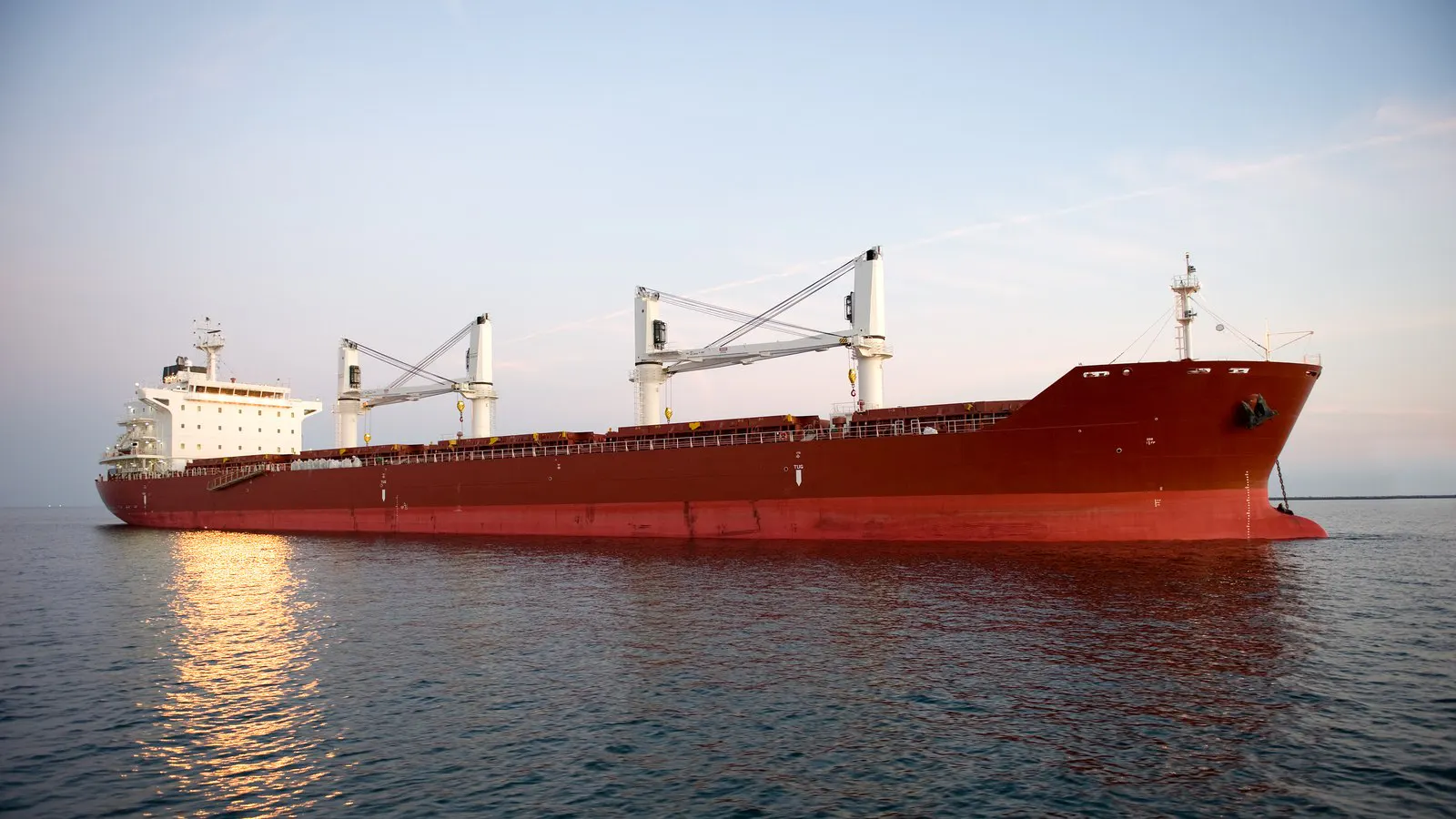
A capesize bulk carrier built in 2022 has been sold for around seventy-eight million dollars in what brokers describe as an exceptionally rare transaction, as a large Japanese private owner trims a fleet of some twenty vessels in the sector. Buyer appetite for quality Japanese-built tonnage has been pushing values steadily higher.
Japanese owners have historically been reluctant sellers, particularly of modern ships. The traditional model involves building at domestic yards, chartering to established operators on long terms and holding vessels for their full economic life, funded by domestic banks at low cost. Ships from these fleets rarely reach the open market, and when they do they attract premium bids because the maintenance standards are known to be high.
Seventy-eight million dollars for a four-year-old capesize is a strong price by historical standards and reflects the same scarcity visible across most vessel classes. The dry bulk orderbook has been modest for years, owners deferred ordering through a period of uncertainty about future fuels, and the fleet has aged accordingly. A modern ship available now competes against a newbuilding that would arrive at the end of the decade.
The seller's reasoning is at least as interesting as the price. Trimming a twenty-ship position in a strong market is what a disciplined owner does when it judges values to be closer to the top than the bottom, and the reputation of Japanese owners for patient counter-cyclical trading gives that judgement some weight. Selling into strength is the mirror of the buying that built the position in the first place.
For buyers the calculation runs the other way, and both can be right. A purchaser paying seventy-eight million is acquiring immediate earning capacity in a market where rates are firm, avoiding a four-year wait and the fuel-specification question that comes with a new order. Whether that proves wise depends on how long current conditions hold, which in dry bulk turns principally on Chinese demand for iron ore and coal, and on how much of the new West African production ends up carried on ships that were never available to the open market anyway.