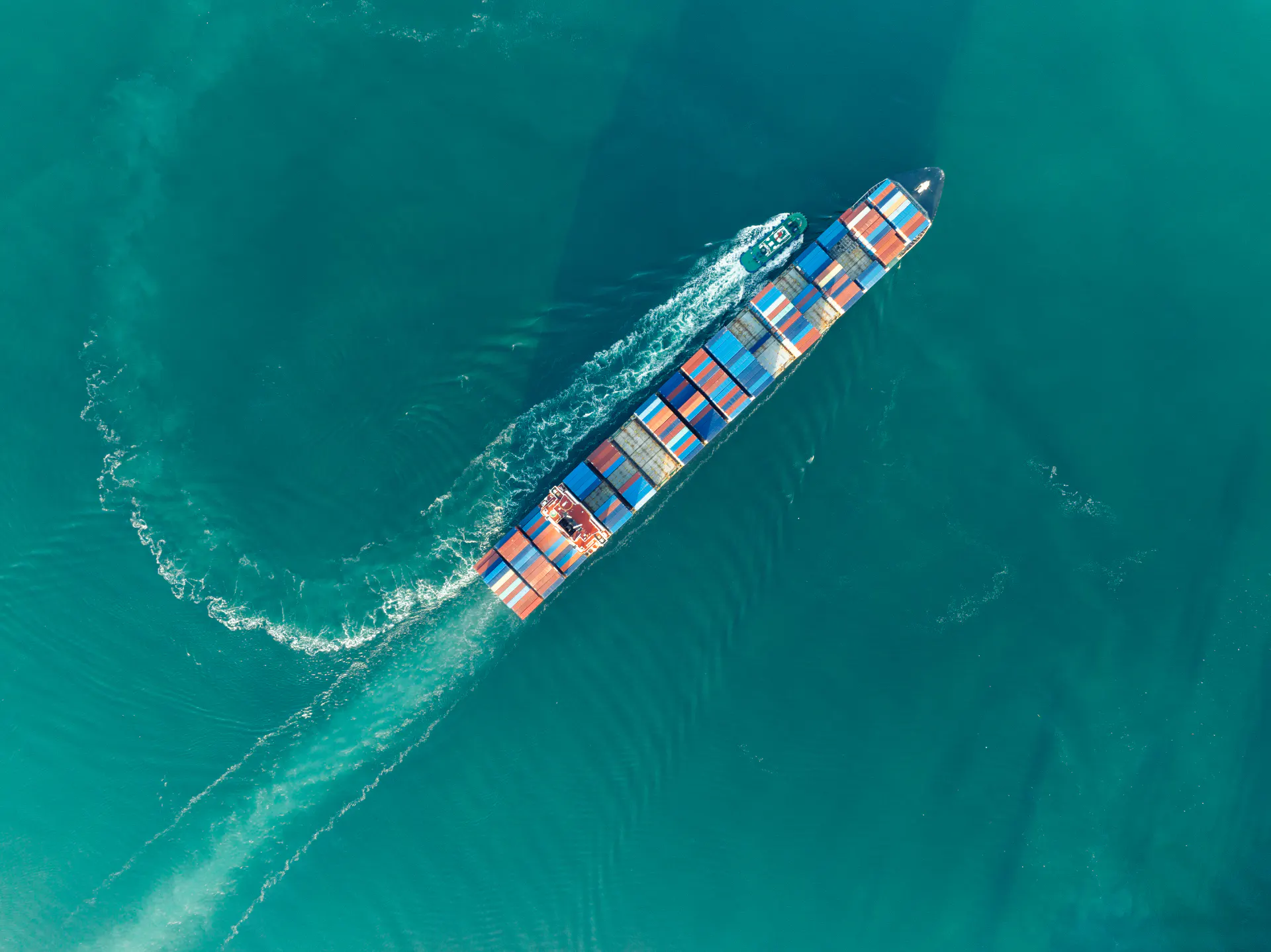
Conoship Unveils Fully Electric 89-Metre Short-Sea Cargo Ship Design
A 40 MWh battery gives 350 nautical miles at 10 knots, aimed at Scandinavian zero-emission zones
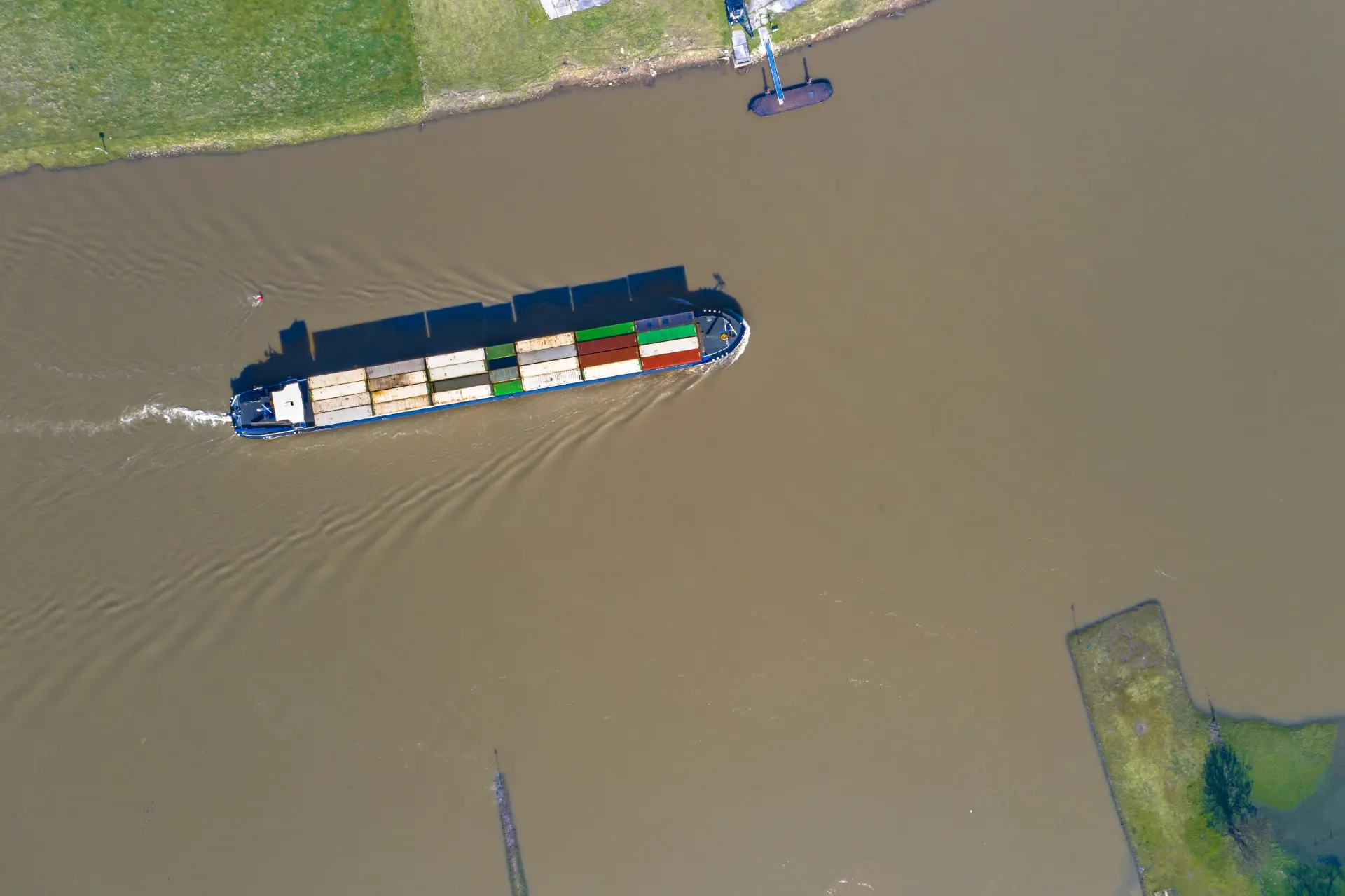
Dutch design and engineering firm Conoship International has launched a general cargo ship design propelled entirely by electric power, extending a series of standardised short-sea vessels rather than starting from a clean sheet.
The company, which concentrates on small general cargo ships suited to river and coastal operations and particularly to the Scandinavian region, describes the 89-metre vessel as zero-emission and fits it with a 40 MWh electric propulsion system.
The design is an upgrade of the firm's diesel-electric general cargo offering of 3,800 dwt. Six vessels of that type have been built, measuring 89 metres with a hold capacity of over 180,000 cubic feet and engineered to achieve up to 35 percent fuel savings compared with conventional coasters. The last of that series, Wilson ECO VI, was delivered in June from the Udupi Cochin shipyard.
Although Conoship has said it is moving towards larger ships of 6,300 dwt, it has chosen to take the 3,800-dwt platform fully electric, positioning it for short-sea routes, green shipping corridors and emission-restricted coastal zones.
The battery installation is sized for an operational range of 350 nautical miles at 10 knots, or up to 650 nautical miles at 8 knots. The vessel is aimed at bulk commodities and project cargo on short-sea routes where shore power infrastructure exists and sailing schedules are fixed.
To account for uneven shore power availability and less predictable operational profiles, the design can be combined with a compact downsized generator set running on biofuel. That is intended to give owners flexibility on unconstrained routes while preserving the baseline for green corridor work. The immediate target market is owners operating in Scandinavian fjord corridors and zero-emission zones.
"Shipowners don't need to adopt unproven, experimental ship designs to explore zero-emission options. By building on a platform with an outstanding track record at sea, operators retain all the core advantages of the CIP series: optimized hold volume, low fuel/power demand, and building flexibility. All this while unlocking electric capability for specific trade loops," said Maarten Sickler, sales director at Conoship International.
Conoship was established more than seven decades ago and says over 2,000 ships have been built to its designs.