Churchill Loads Its First Grain Cargo in Six Years as Arctic Traffic Returns
The bulker Federal Sprey is taking 30,000 tonnes of Manitoba durum wheat to the Mediterranean
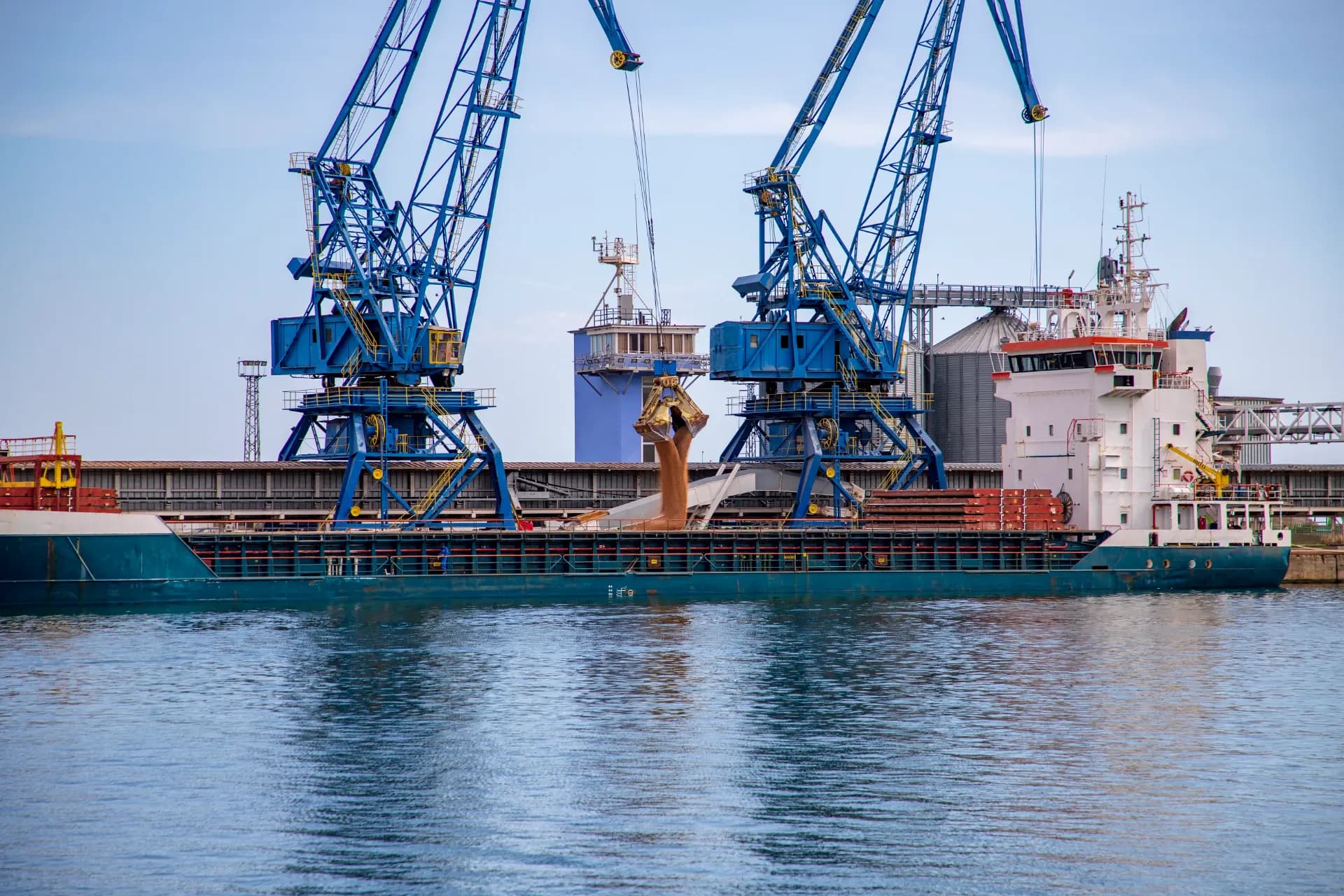
The Port of Churchill in Manitoba is loading its first grain shipments in six years, adding to a run of firsts at Canada's only Arctic deep-water port after it exported critical minerals earlier this season for the first time in more than two decades.
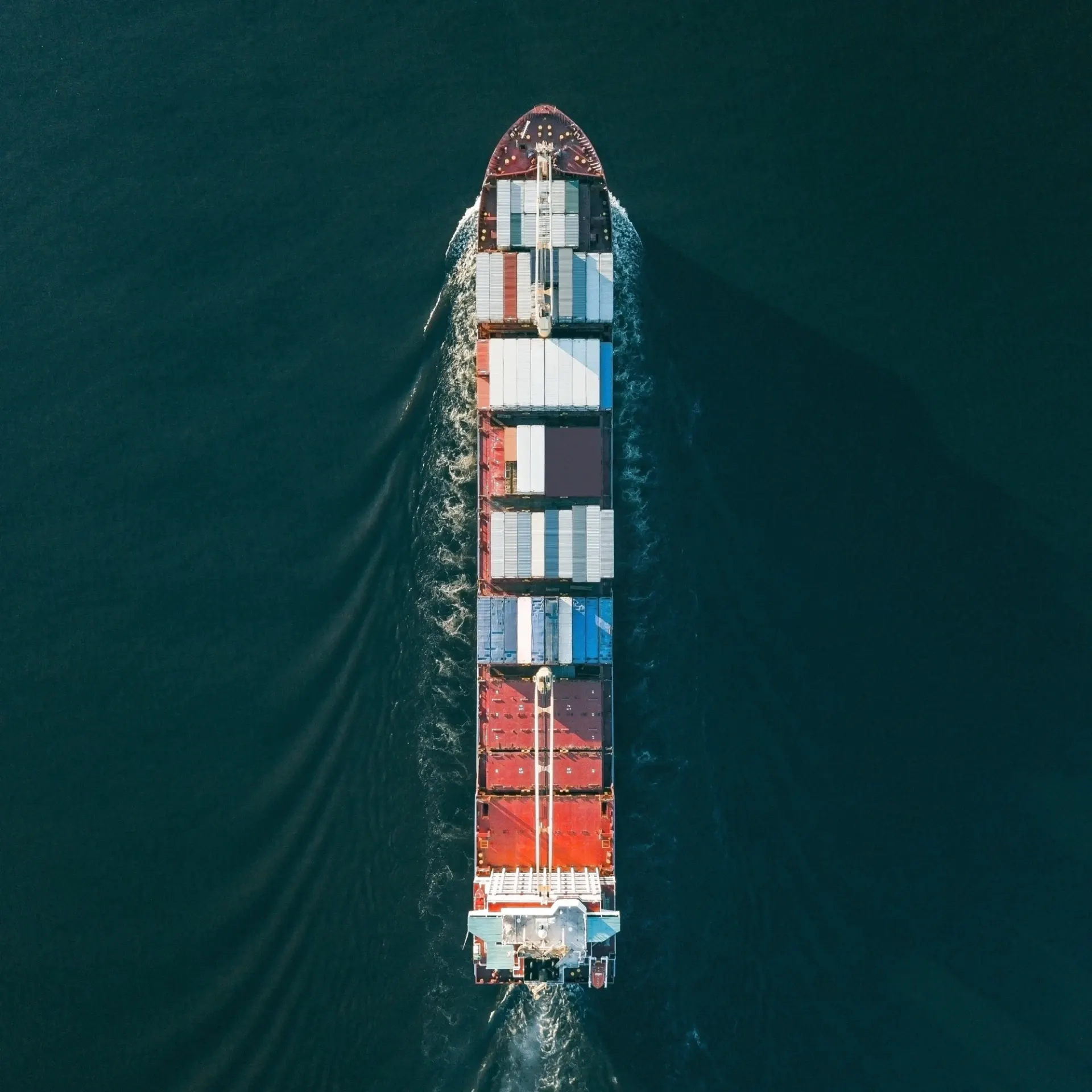
The FedNav bulk carrier Federal Sprey, of 37,141 dwt, is alongside and loading approximately 30,000 tonnes of Canadian durum wheat supplied by a Saskatchewan company and bound for the Mediterranean. The grain reached the port over the rebuilt Hudson Bay Railway, which is the single piece of infrastructure that determines whether Churchill functions at all.
Several factors ended the grain business. The pandemic in 2020 and 2021 was one, alongside the high cost of shipping grain through the port and a failing rail line. The Canadian Wheat Board also ceased operations in 2021, removing a structural buyer. Arctic Gateway Group acquired the port in 2018 from the US-based OmniTrax with the aim of rebuilding those operations.
This week's cargo is set to be the first of three grain shipments to leave Churchill in 2026. Officials say they will move more than 100,000 tonnes of grain this year and expect a larger figure in 2027. The port has also loaded zinc concentrate and expects to ship its first ever cargo of potash, mined in Manitoba, next week.
Churchill's other role is resupply for First Peoples' communities in the Arctic. The first supply ship of the 2026 season, the Qamutik of 12,760 dwt, departed on 12 July carrying construction equipment, industrial supplies, trucks and other goods, and a further vessel is due to arrive to carry supplies to Nunavut. The port has also signed a partnership with Port of Antwerp-Bruges International.
The case against the expansion is unchanged and largely practical. Critics of the effort and of the government financial support behind it argue that the shipping season is too short for Churchill to become a meaningful contributor to Canadian exports, that rail and insurance costs are high, and that the port lacks sufficient storage capacity. Arctic Gateway Group points to the rebuilding it has already done and to the port's potential role as Canada reshapes trade away from the United States.
Federal and provincial governments have supported studies into whether Churchill could operate year-round. Manitoba Premier Wab Kinew said earlier this year that the federal government had indicated it wants to see liquefied natural gas shipped from Churchill by 2030, and he is hopeful that support for a larger port expansion will be reconsidered.