Chinese yards take more than four-fifths of world newbuilding orders
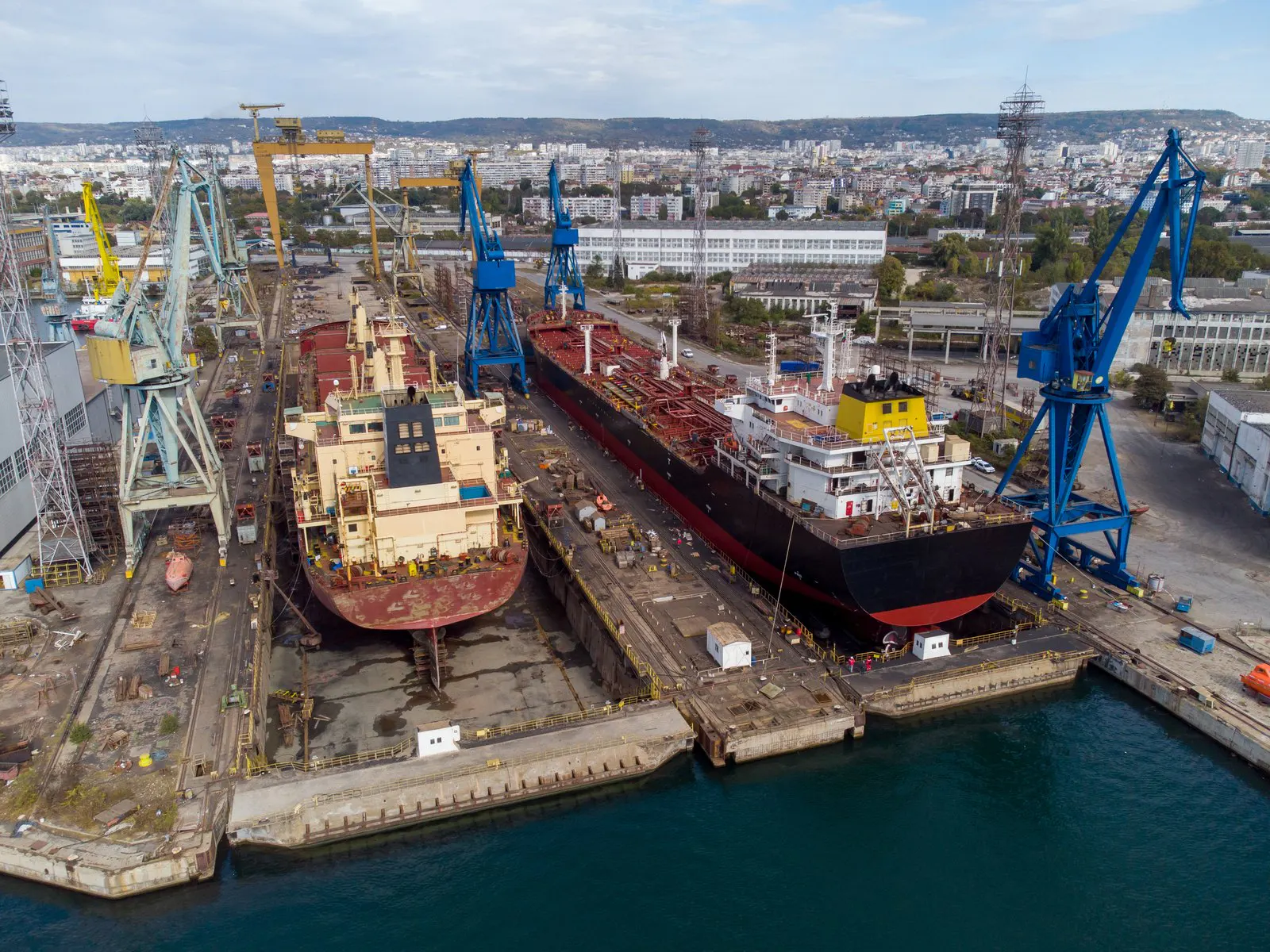
China's shipbuilding industry strengthened its dominance in the first half of 2026, securing more than 80% of worldwide new orders and recording growth across output, orders and backlog simultaneously. Chinese yards completed 36.50m deadweight tonnes of output between January and June, a rise of 51.2% year on year, accounting for 62.2% of global completed production.
The order intake figure is the more striking one. Chinese yards secured 121.06m dwt in new orders over the half, up 173.1% year on year and representing 82.3% of all new orders placed worldwide. By the end of June the national orderbook had reached 363.25m dwt, an increase of 54.9%, amounting to 71.2% of the global total. A single country holding more than seven-tenths of the world's forward shipbuilding work is a concentration without recent precedent.
The work is overwhelmingly for foreign account. Export vessels represented more than 90% of completed tonnage, new orders and the orderbook, which places Chinese yards at the centre of global fleet renewal rather than serving a domestic programme. More than 3,400 vessels were exported during the half, with export values rising around 25% year on year to more than RMB219bn, or about $32bn.
Segment strength is broad rather than narrow. Chinese yards secured more than 80% of global new orders in the bulk carrier, container ship and tanker categories, the three highest-volume segments in commercial shipping. LNG carriers have become an important growth area, with Chinese builders gaining ground in a high-value market long dominated by Korean yards, which is the segment where the competitive shift carries the most weight.
Alternative fuels and efficiency technology are cited as a principal driver, with yards investing in LNG carriers, energy-saving devices and other low-carbon solutions. That positioning matters for how durable the share proves to be. Price competitiveness alone is vulnerable to currency movements and steel costs, while capability in dual-fuel and specialised tonnage is considerably harder for competitors to erode, and it is the basis on which the current orderbook has been won. Berth availability reinforces the effect, since an owner wanting delivery within a reasonable timeframe has progressively fewer alternatives outside China. Korean and Japanese yards remain competitive in selected high-value segments, but neither has the free capacity to absorb a meaningful share of the volumes now being placed.