Eighteen Maritime States Warn the Global Shipping Rulebook Is Breaking Down
The Consultative Shipping Group says wars, chokepoints and shadow tonnage have split shipping into two systems
Eighteen of the world's leading maritime nations have issued a joint warning that the international rules underpinning global shipping are being eroded, in terms stark enough to mark a break with the group's usual register. Their members represent more than a fifth of global trade by tonnage.
The statement, titled In defence of free shipping, comes from the Consultative Shipping Group, an inter-governmental forum whose members include Greece, Japan, South Korea, Singapore, Norway, Denmark, Germany and the United Kingdom. It argues that the accumulation of wars, chokepoint disruption, shadow fleets and discriminatory trade measures no longer amounts to a run of bad years but to a structural change in the operating environment.
The group said maritime transport now has to be treated as critical infrastructure, underpinning not only trade but global food and energy security. It pointed to the pandemic, the war in Ukraine, drought at the Panama Canal and conflict in the Middle East as successive demonstrations of how exposed seaborne supply chains have become.
The commercial argument runs through uncertainty. When owners cannot be confident that ships will retain access to particular ports or routes, long-term planning becomes harder to price, and fragmented regulation across jurisdictions fragments markets and raises costs. Routes once treated as neutral conduits are increasingly used as geopolitical leverage, with the Strait of Hormuz the most immediate case: Iran has sought greater control over merchant traffic through the strait while attacks on commercial shipping have multiplied.
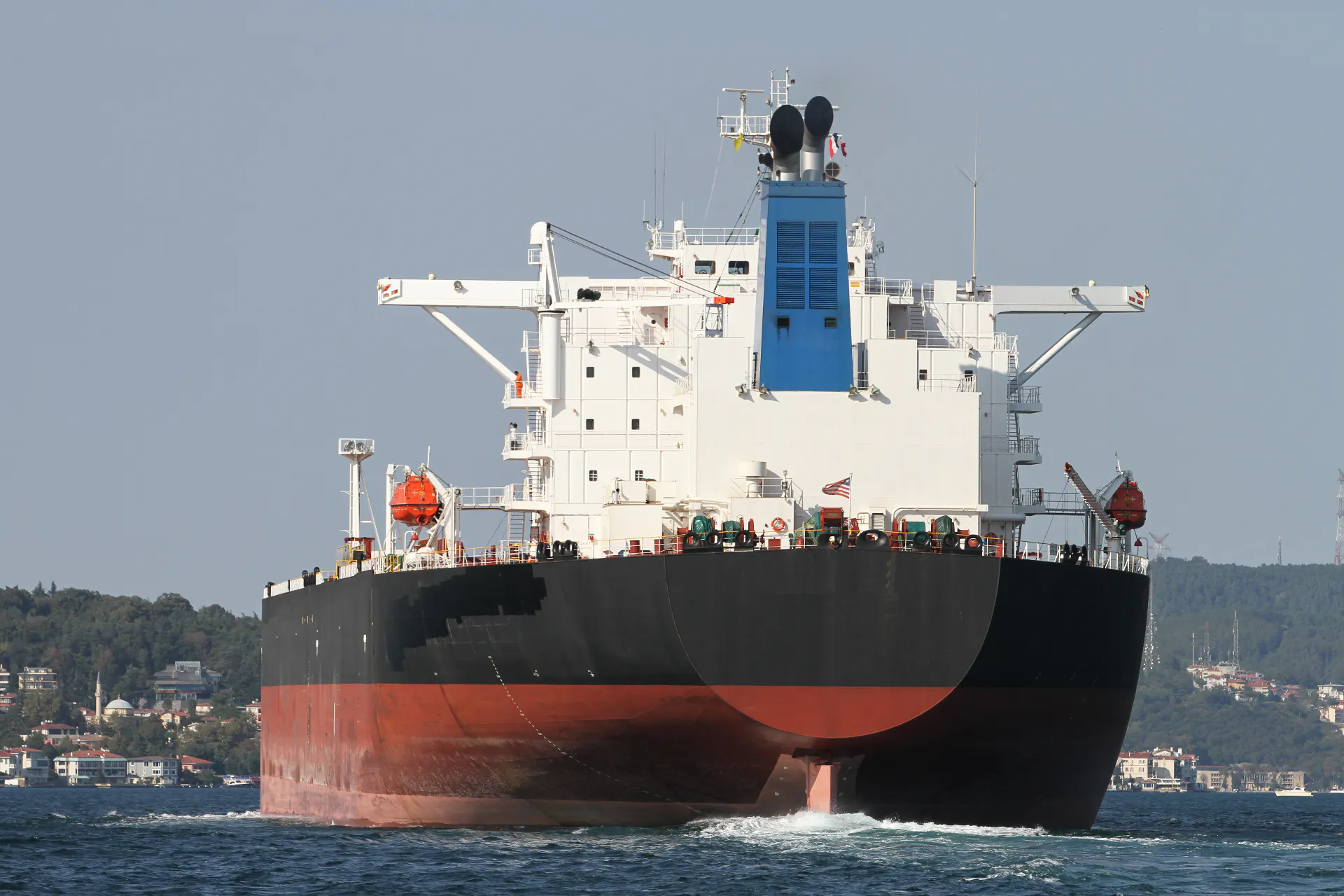
The group reserved particular attention for the growth of the dark fleet created by sanctions on Russia and Iran. Hundreds of ships now operate outside conventional insurance, safety and transparency frameworks, it said, building parallel maritime systems that bypass environmental and safety standards. Industry estimates put the wider shadow tanker fleet above 1,500 vessels, approaching a fifth of global tanker capacity.
"The result is a two-tier system, one governed by rules, the other by opacity," the statement warned.
Its prescription is not more regulation but more consistent application of the rules that already exist. The group singled out the United Nations Convention on the Law of the Sea, including the rights of innocent and transit passage, and described the International Maritime Organization as the central global forum for navigation, safety, security and fair competition. It called for closer cooperation between maritime states, consistent enforcement across jurisdictions, better information exchange and renewed political backing for multilateral institutions.
"When shipping supply chains fragment, the global economy fragments with it," the group concluded.