Callao Becomes the First South American Port With Shore Power
Sized for the largest boxships calling, avoiding over 6,000 tonnes of CO2 a year
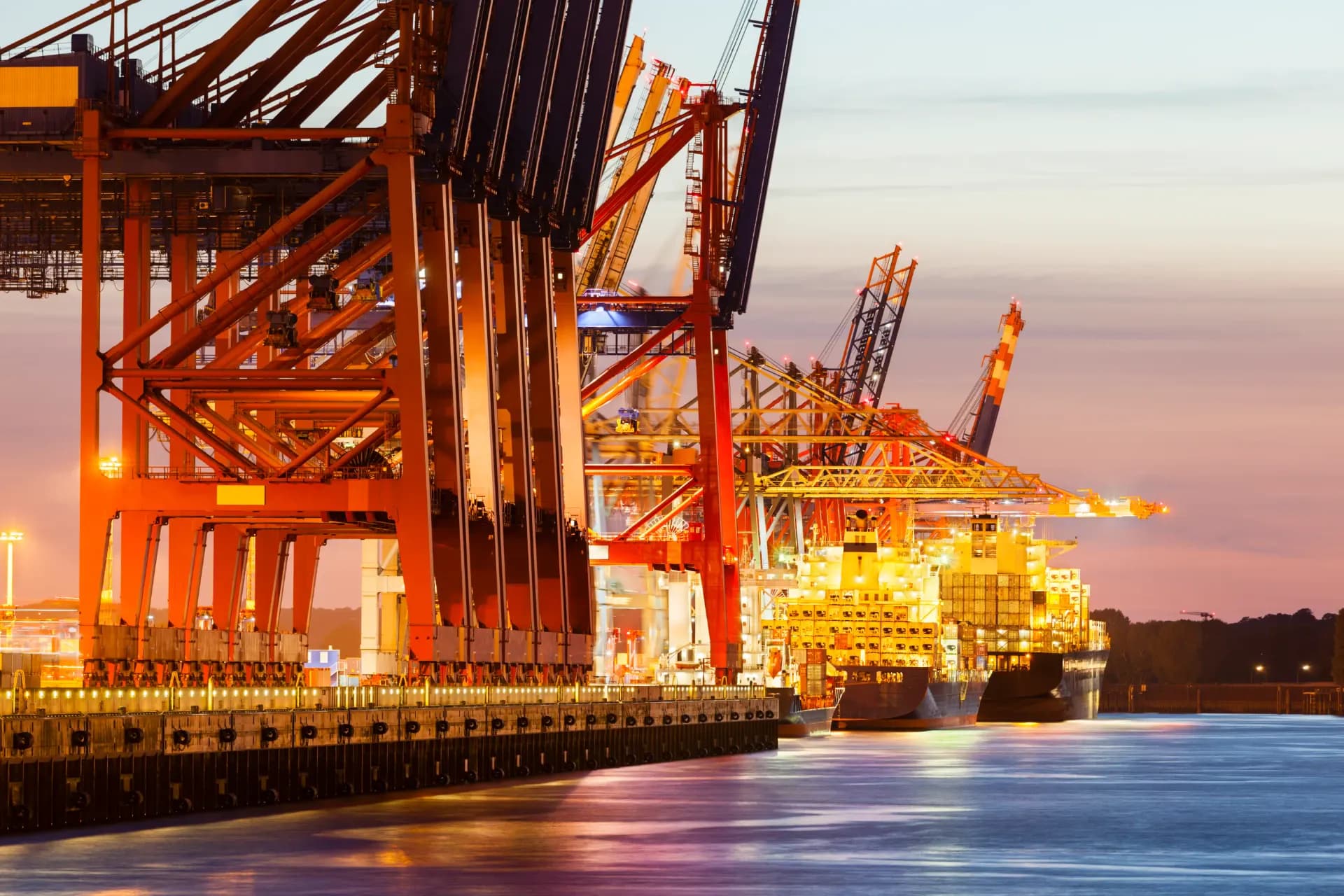
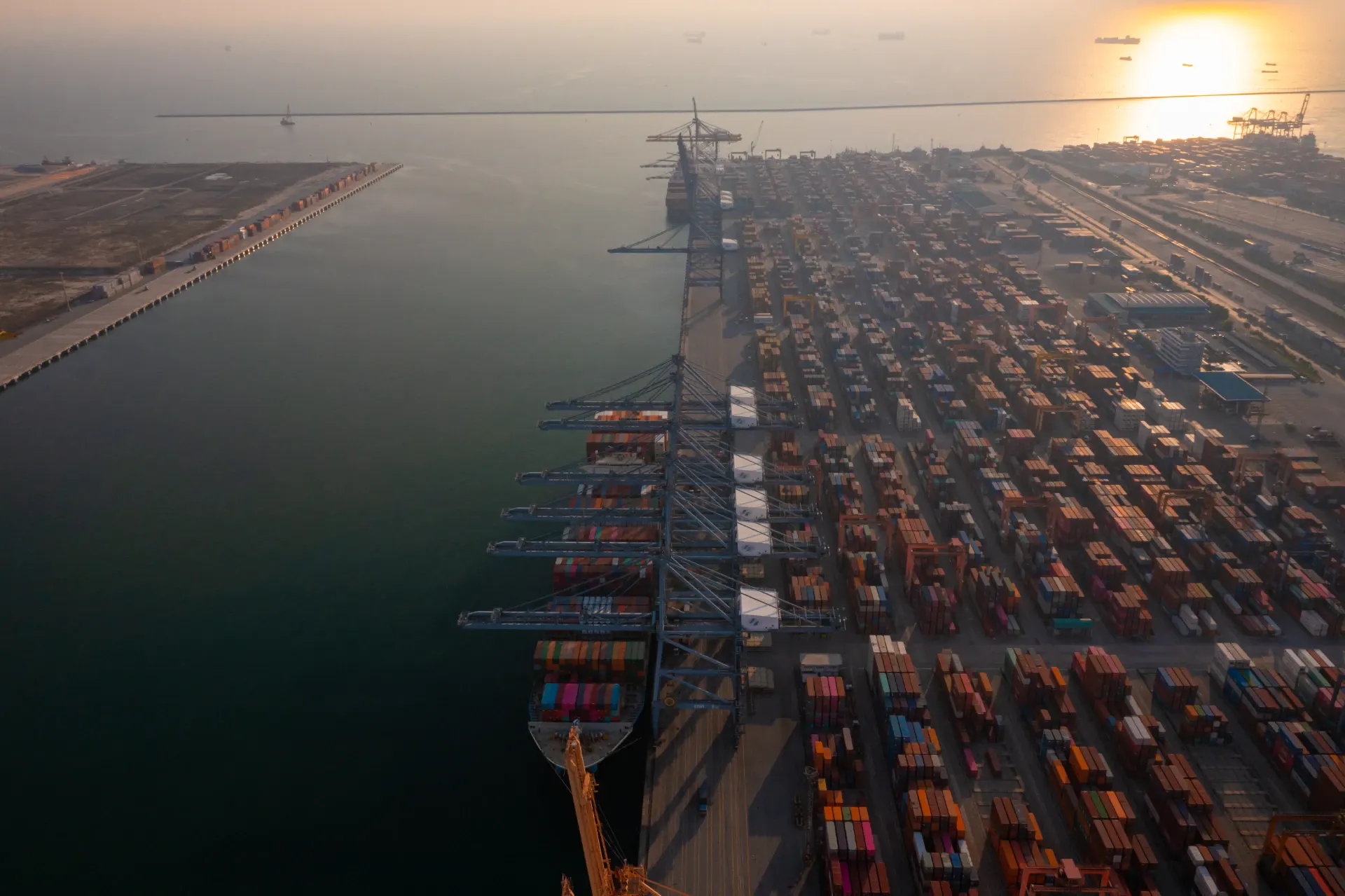
The Port of Callao in Peru has become the first port in South America with a shore power system for merchant ships. The installation, enabled by investment from DP World, allows vessels to run their electrical load from renewable power while berthed rather than from auxiliary engines.
DP World is putting about $1bn into infrastructure at Peru's ports, including $400m at Callao, and the shore power project was folded into the broader scope of that programme. The system is sized to handle the largest boxships calling at the port and will avoid over 6,000 tonnes of CO2 every year, roughly 30 tonnes per port call.
Uptake at the berth is already largely in place. Most of the ships calling at Callao's Pier 3 are equipped to draw shore power, including four of the seven vessels assigned to the core Asia-South America services that call weekly. That matters more than the installed capacity: cold-ironing infrastructure only earns its cost when the tonnage on the berth can actually plug in, and a terminal serving a fixed liner rotation has a far better chance of that than one handling tramp traffic.
Peru's President Keiko Fujimori said: "We are not only moving cargo; we are moving Peru toward the future. We're talking about a technology that may seem simple but is of enormous importance, since only 3% of the world's ports have this technology, and we're proud that Peru is part of this group."
The local air quality case is stronger than the carbon one. The investment will decrease health-related emissions from auxiliary engine use by approximately 90%. Nitrogen oxides, sulphur oxides and particulate matter from ships at berth pose ongoing health risks for communities near port facilities, and the installation will improve air quality at Peru's principal container port, where residential districts sit close to the terminal boundary.