TT-Line and Viking Line to add a second ferry on the Muuga-Vuosaari freight link
A ro-pax with about 2,000 lane metres will compete with Eckerö Line's Finbo Cargo from the first quarter of 2027
The German ferry operator TT-Line will enter the freight route between Muuga in Estonia and Vuosaari in Finland in the first quarter of 2027, becoming the second carrier on a link where freight volumes are close to the capacity of a single ship. TT-Line and the Port of Tallinn have signed an agreement covering the service.
The ship will be a ro-pax ferry with around 2,000 freight lane metres, cabins, a café, a passenger lounge and facilities for truck drivers. She is due to be named in November, and the exact start date has not yet been confirmed.
Who runs the new service?
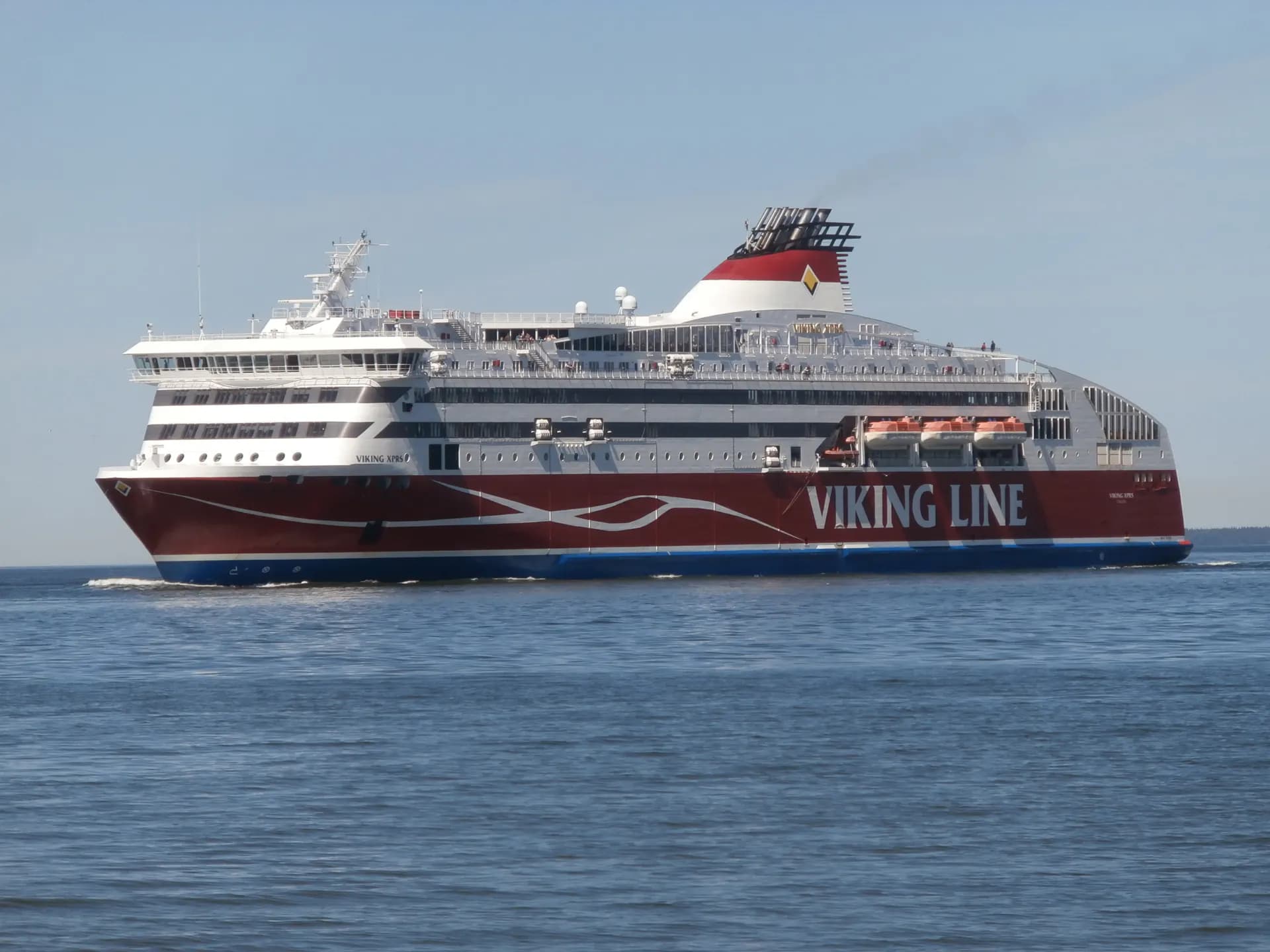
Viking Line announced on 5 October that it has entered a joint operation agreement with TT-Line for the route. The two will operate the service without setting up a separate company, and Viking Line will acquire a 50% ownership interest in the ship. It puts its investment at about €10m and does not expect a material effect on its financial position. Viking Line's own ferry Viking XPRS stays on its passenger service between Helsinki and Tallinn.
Eckerö Line currently runs the Muuga-Vuosaari route with the freight ferry Finbo Cargo. The link between the two cargo harbours opened in 2017 and has also been served by Tallink.
"Freight volumes on the Muuga–Vuosaari route have grown steadily over the years and are now approaching the limits of what can be handled with a single vessel," said Rene Pärt, member of the management board of the Port of Tallinn. He said a second operator would give customers more choice and flexibility and support further growth in trade between Estonia and Finland.
Why does the route matter?
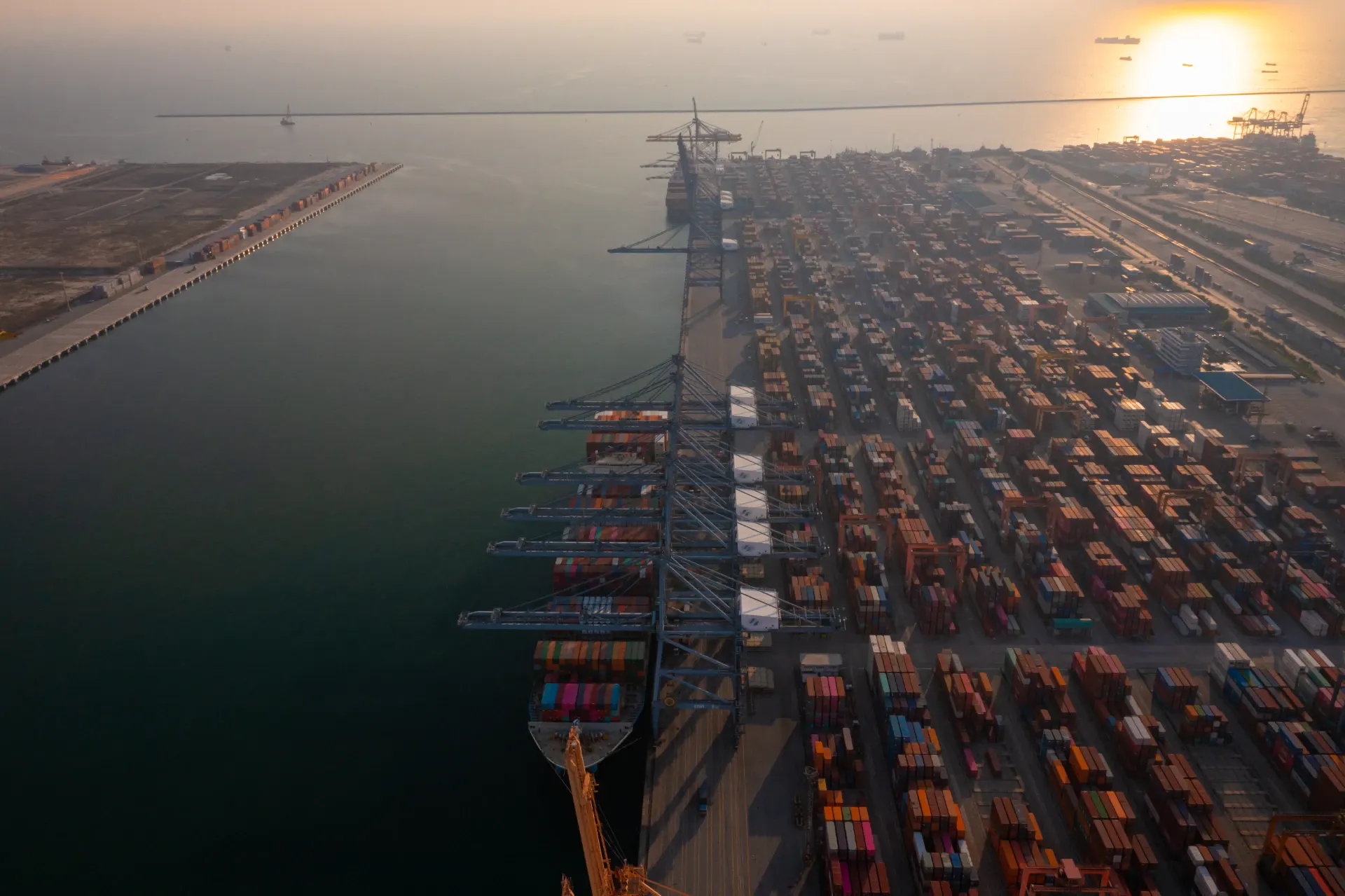
The Muuga-Vuosaari connection lets trucks and trailers bypass the centres of Tallinn and Helsinki. It links Finland with the Baltic states and the onward corridors to Central and Southern Europe. Muuga is Estonia's largest cargo harbour, handling containers, ro-ro, liquid bulk, dry bulk and general cargo, and ships there are worked at the HHLA TK Estonia terminal. Vuosaari is Helsinki's main cargo harbour, with regular ferry links to Muuga and Travemünde.
For the Port of Tallinn, which owns four harbours, the agreement brings vessel, cargo and passenger fee revenue and more intensive use of existing infrastructure.
TT-Line is a family-owned German company founded in 1962. Its fleet of nine ro-pax ships carries passengers, cars and freight between Germany, Sweden, Poland and Lithuania, with calls at Travemünde, Rostock, Trelleborg, Karlshamn, Świnoujście and Klaipėda.
This story is part of the Maritime Briefing of 9 October 2026.